
NBI Witness Quizzed on Docket Mismatches in Sara Trial
Introduction/Background The impeachment trial of Vice President Sara Duterte entered its second week in the Philippine Senate with intense scrutiny on documentary evidence presented by the prosecution. On July 13, National Bureau of Investigation Regional Director Jeremy Lotoc took the stand as the second witness for the prosecution team. His testimony focused on documents tied
Introduction/Background
The impeachment trial of Vice President Sara Duterte entered its second week in the Philippine Senate with intense scrutiny on documentary evidence presented by the prosecution. On July 13, National Bureau of Investigation Regional Director Jeremy Lotoc took the stand as the second witness for the prosecution team. His testimony focused on documents tied to alleged threats made by Duterte during an October 2024 press conference and a November 2024 online briefing. These materials form the core of Article IV charges involving grave threats and inciting to sedition against the vice president.
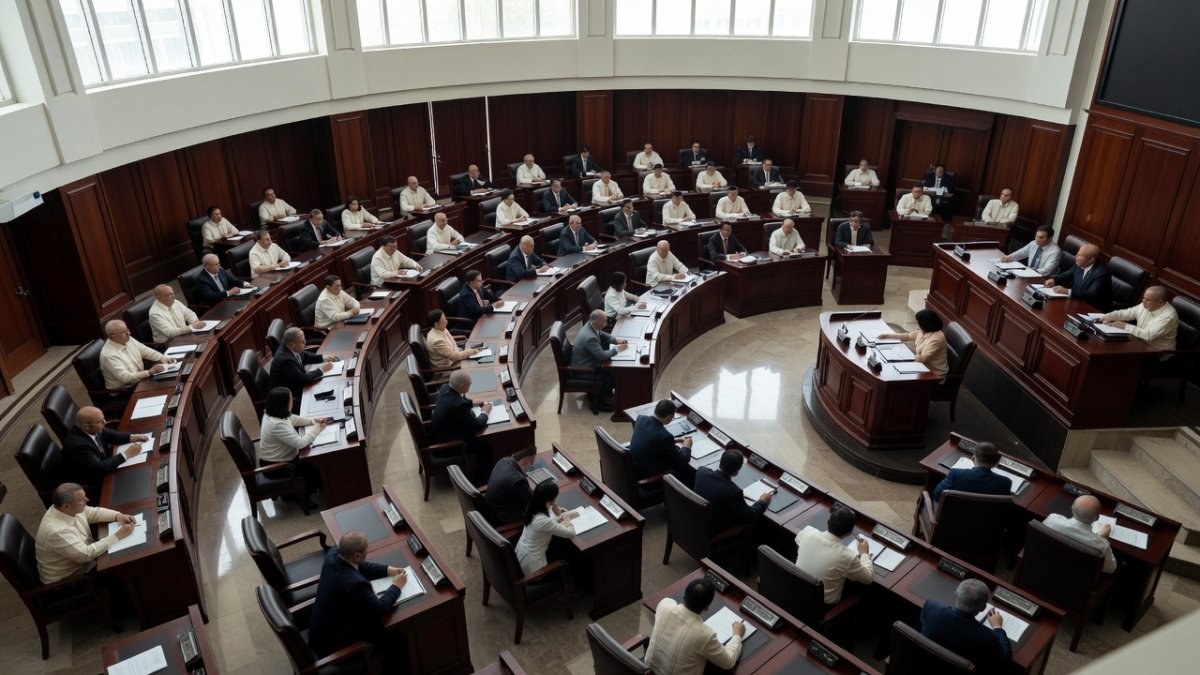
The Senate chamber buzzed with activity as lawmakers and legal teams gathered to examine the case that has captured national attention. Lotoc, representing the NBI, detailed how the bureau gathered affidavits and certifications related to the incidents. The proceedings highlighted ongoing tensions between the prosecution and defense over the integrity of submitted records. Political observers noted that this phase of the trial could set precedents for how evidence is handled in high-profile impeachment cases.
Background on the Duterte family influence in Philippine politics added layers to the trial atmosphere. Sara Duterte, daughter of former President Rodrigo Duterte, has maintained strong support in certain regions despite the allegations. The charges stem from statements perceived as threats against political opponents and calls that could incite unrest. As the trial progresses, senators like Panfilo Lacson have pushed for expedited hearings to resolve the matter efficiently.
Global attention on the case reflects broader concerns about political stability in the Philippines. Palace officials have commented on the difficulty of proving any assassination plots linked to the Dutertes. This context frames the cross-examination of Lotoc as a pivotal moment in determining the strength of the prosecution's case.
The Role of NBI in the Investigation
The National Bureau of Investigation played a central role in compiling evidence for the impeachment proceedings against Vice President Sara Duterte. Jeremy Lotoc, as regional director, oversaw the collection of affidavits from individuals who attended or monitored the October 2024 press conference and the subsequent November online briefing. These documents aimed to establish patterns of alleged threats that underpin the grave threats and inciting to sedition charges in Article IV.
Investigators from the NBI worked alongside Department of Justice personnel to authenticate the materials submitted to the Senate. Lotoc explained during his testimony how the bureau processes such complaints through standard protocols involving data forms and certifications. The involvement of multiple agencies underscored the collaborative yet sometimes fragmented nature of Philippine investigative processes in politically sensitive matters.
Critics of the investigation have questioned the timeline and methods used by the NBI, particularly given the high stakes of an impeachment trial. Lotoc maintained that the core content of the affidavits remained consistent despite any administrative issues flagged later. This defense highlighted the bureau's focus on substantive allegations rather than minor clerical variations in record-keeping.
Overall, the NBI's contributions provided the foundation for the prosecution's narrative in the second week of hearings. Senators observed how these investigative efforts could influence public perception of the vice president's actions during the specified events.
Docket Number Mismatch Highlighted by Defense
Defense counsel Mark Vinluan initiated pointed questions about a docket number discrepancy during the cross-examination of Jeremy Lotoc. The NBI copy of a key document ended with the suffix 048, while corresponding DOJ certifications concluded with 049. This mismatch raised immediate concerns about the chain of custody and authenticity of the evidence presented in the Sara Duterte impeachment trial.
Lotoc responded that he could not provide an explanation for the variation because docket numbers are assigned exclusively by the Department of Justice. The defense used this admission to suggest potential lapses in documentation procedures that might undermine the reliability of the prosecution's exhibits. Such discrepancies, though seemingly minor, became focal points in the Senate proceedings.
Legal experts following the trial noted that docket number inconsistencies have appeared in other Philippine cases involving inter-agency coordination. Vinluan's line of questioning aimed to portray the evidence as possibly altered or mishandled before reaching the impeachment court. Lotoc reiterated that these administrative details did not alter the factual content of the affidavits related to the threats.
The exchange illustrated the meticulous scrutiny applied to every piece of paper in the trial. As the second week unfolded, these issues prompted further debate among senators about evidentiary standards in impeachment matters.
Explanations and Limitations from Lotoc
Jeremy Lotoc addressed the docket number issue by emphasizing the division of responsibilities between the NBI and the DOJ. He stated clearly that the NBI does not assign docket numbers, leaving that task to DOJ officials who handle formal complaint registrations. This clarification sought to deflect blame from his agency while acknowledging the observed differences in the documents.
Despite the mismatch, Lotoc asserted that the affidavits contained no substantive differences that would affect their evidentiary value. He described the core allegations regarding Duterte's October 2024 press conference and November 2024 online briefing as unchanged across versions. The witness maintained that the investigation focused on the content of threats rather than numerical identifiers.
Senators listened attentively as Lotoc navigated these limitations in his knowledge of DOJ procedures. His testimony revealed the bureaucratic realities of multi-agency probes in the Philippines. The defense continued to probe these areas to highlight any weaknesses in the prosecution's preparation.
Lotoc's responses underscored a commitment to the integrity of the investigation overall. This segment of the cross-examination added depth to discussions on how administrative processes intersect with high-stakes political trials.
The Altered Date Stamp Issue
Another point of contention emerged when the defense examined an Investigation Data Form bearing what appeared to be an altered date stamp. The form showed an original marking of February 12, 2025, which seemed changed to January 30, 2025. This alteration prompted Vinluan to question the accuracy and handling of records submitted in the Sara Duterte case.
Lotoc could not immediately account for the change, noting that such stamps are applied during initial intake at NBI offices. The defense suggested this might indicate post-submission modifications that could compromise the timeline of the investigation. Prosecutors viewed the query as an attempt to mislead the Senate about routine administrative adjustments.
The date discrepancy tied into broader concerns about document preservation in the impeachment proceedings. Lotoc explained that the substantive details in the affidavits, including references to the vice president's statements, remained consistent regardless of the stamp variation. This position aimed to reassure the court that the evidence's essence was intact.
Observers remarked that date stamp issues often arise in complex investigations involving multiple agencies. The matter contributed to an atmosphere of heightened vigilance during the second week of the trial.
Objections Raised During Cross-Examination
Private prosecutor Amando Ligutan objected vigorously when the defense pursued questions about the date stamp alteration. He argued that the line of inquiry was misleading and designed to cast undue suspicion on the NBI's documentation practices. The objection highlighted tensions between the prosecution and defense teams in the Senate chamber.
The presiding officers considered the objection as Lotoc paused to formulate his response. Ligutan's intervention sought to keep the focus on the relevance of the evidence to the grave threats and inciting to sedition charges. Such procedural interruptions are common in lengthy impeachment trials where every detail faces challenge.
Lotoc eventually affirmed that the alterations did not impact the affidavits' content related to Duterte's press events. The prosecution used this to pivot back to the core allegations. Senators noted how these objections helped maintain order amid contentious exchanges.
The episode demonstrated the adversarial nature of the proceedings as both sides vied for control over the narrative. It also reflected the high level of legal preparation evident in the second week of hearings.
Substance Over Form in Affidavits
Throughout the cross-examination, Jeremy Lotoc emphasized that the affidavits held no substantive differences despite the flagged discrepancies. He pointed out that the descriptions of threats from the October 2024 press conference and November 2024 online briefing aligned across all versions examined. This stance reinforced the prosecution's reliance on the documents for Article IV charges.
The defense countered by suggesting that even minor inconsistencies could erode trust in the overall case. Lotoc countered that investigative work prioritizes factual content over administrative markers like docket numbers or date stamps. His testimony aimed to separate form from substance in the eyes of the Senate.
Legal analysts covering the trial observed that this approach aligns with Philippine evidentiary rules that value material facts. Lotoc's consistent defense helped mitigate the impact of the challenges raised by Vinluan. The focus remained on how the documents supported claims of grave threats and inciting to sedition.
As the session concluded, the emphasis on substance provided a counterbalance to the detailed scrutiny of paperwork. This dynamic continued to shape the trial's progression into subsequent days.
Broader Context of Article IV Charges
Article IV of the impeachment complaint centers on allegations of grave threats and inciting to sedition stemming from Vice President Sara Duterte's public statements. The documents reviewed by Lotoc directly referenced her October 2024 press conference and November 2024 online briefing where such remarks were reportedly made. These charges have fueled intense political debate across the Philippines.
The prosecution presented the NBI materials as evidence of potential harm to public order and targeted individuals. Lotoc's testimony helped contextualize how the bureau verified the complaints through affidavits. Senators weighed these elements against the defense's challenges to procedural aspects.
Broader implications include questions about free speech limits for high-ranking officials during political tensions. The trial's second week underscored how such charges intersect with ongoing national security discussions. Palace statements added that proving related assassination plots remains challenging.
This context enriched the cross-examination by linking administrative issues to the larger stakes of the impeachment process. The proceedings continue to draw significant public interest.
Political Reactions and Statements
Senator Panfilo Lacson advocated for a faster pace in the impeachment trial to avoid prolonged national distraction. His comments came amid the cross-examination of Lotoc and reflected concerns about efficiency in Senate operations. Meanwhile, Senator Raffy Tulfo raised the topic of Operation Romanov, prompting the defense to announce plans for a dedicated witness on the matter.
Palace press officer Claire Castro remarked that establishing any assassination plot against the Dutertes would prove difficult based on available evidence. This statement provided a counterpoint to the prosecution's narrative during the trial's second week. DOJ Officer-in-Charge Fredderick Vida clarified that the sedition complaint operates separately from the impeachment process itself.
These reactions illustrated the multifaceted political environment surrounding the case. Lotoc's testimony on document issues became intertwined with wider discussions on trial timelines and related investigations. Public discourse intensified as various officials voiced their positions.
The interplay of these statements highlighted the trial's role in shaping Philippine political dynamics. As hearings advance, such inputs will likely influence both legal strategies and public opinion.
By Bella Reyes, Staff Writer.This article was produced with AI-assisted research and editorial support. Reporting is based on sources cited in the article.
What's Your Reaction?
 Like
0
Like
0
 Dislike
0
Dislike
0
 Love
0
Love
0
 Funny
0
Funny
0
 Wow
0
Wow
0
 Sad
0
Sad
0
 Angry
0
Angry
0

Philippines/Southeast Asia Correspondent at Global1.News. Manila-based journalist covering Philippine politics, environment, maritime security, and social issues. Passionate about marine conservation and the communities protecting the Philippines' natural heritage.












Comments (0)