
US Indicts Sinaloa Governor on Fentanyl Charges as Sheinbaum Rejects Extradition
In a recent DW News report, federal prosecutors in New York unsealed a bombshell indictment charging Sinaloa Governor Rubén Rocha Moya and nine current or former state officials with drug trafficking, weapons offenses, and conspiracy to aid the Sinaloa Cartel. The case marks an unprecedented escalation in US efforts to hold Mexican elected officials accountable for the fentanyl
In a recent DW News report, federal prosecutors in New York unsealed a bombshell indictment charging Sinaloa Governor Rubén Rocha Moya and nine current or former state officials with drug trafficking, weapons offenses, and conspiracy to aid the Sinaloa Cartel. The case marks an unprecedented escalation in US efforts to hold Mexican elected officials accountable for the fentanyl crisis — and it has triggered a fierce debate about sovereignty and cooperation between Mexico City and Washington.
US Indicts Sinaloa Governor on Fentanyl Charges as Sheinbaum Rejects Extradition
Culiacán, Sinaloa — Mexico, July 2026 — The DW News report details the unsealed Manhattan indictment that charges Governor Rubén Rocha Moya and nine officials with drug trafficking, weapons offenses, and conspiracy to aid the Sinaloa Cartel in moving fentanyl into the United States.
The New York Indictment Against Rocha Moya
The indictment lists concrete acts including the use of state vehicles to transport precursor chemicals through Sinaloa ports and airports under official protection. Prosecutors cite wiretap evidence and financial records showing monthly payments to Rocha Moya and his associates in exchange for safe passage of fentanyl shipments bound for Arizona and California. The charges name specific cartel figures who coordinated directly with state officials between 2016 and 2025.
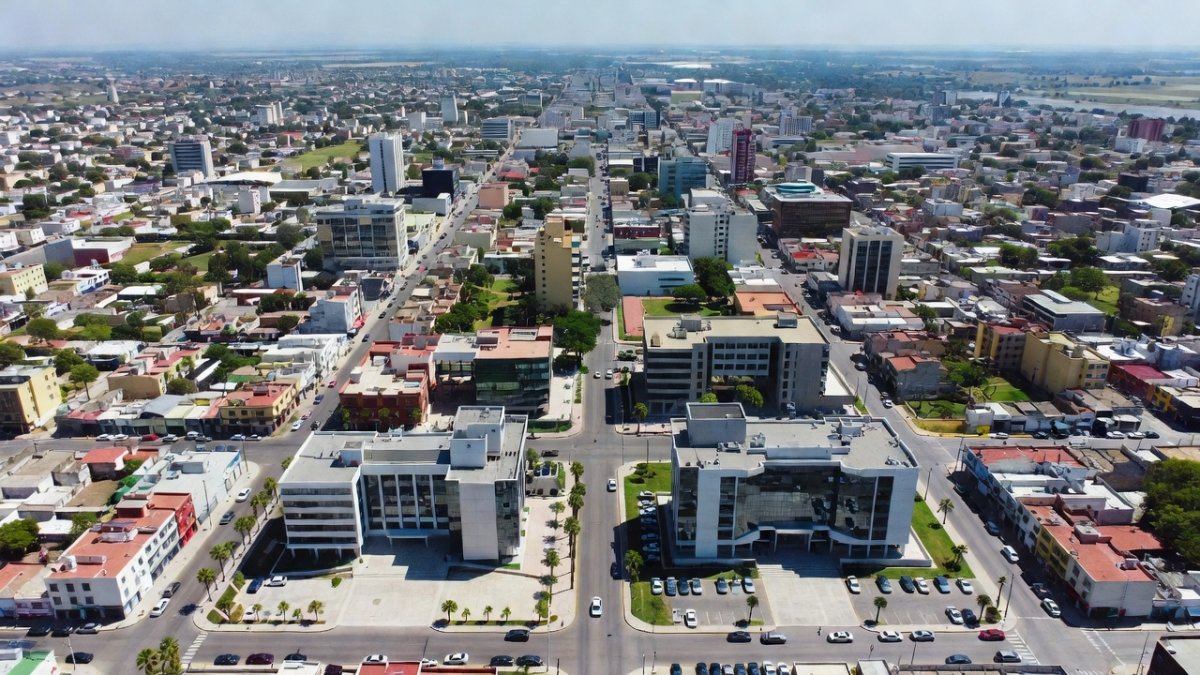
Residents of Culiacán learned of the indictment through local radio and social media on the morning of July 13, 2026. Many expressed immediate concern that the news would trigger new federal operations in their neighborhoods. Families who already navigate daily checkpoints and occasional shootouts now face added uncertainty about whether state government functions will continue normally.
The case marks the first time a sitting Mexican governor has faced direct US charges tied to fentanyl trafficking. Previous indictments targeted cartel leaders, but this one reaches into elected state leadership. Mexican officials in Mexico City immediately began reviewing the extradition paperwork delivered through diplomatic channels.
What the Prosecution Alleges
Prosecutors describe a decade-long arrangement in which Rocha Moya and the nine officials received cash payments and campaign support from Sinaloa Cartel operatives. In return, the officials allegedly provided armed escorts, falsified documents, and advance warnings about Mexican military movements. The indictment specifies that these actions enabled the cartel to ship fentanyl precursors through the port of Mazatlán and the Culiacán airport.
The charges focus on fentanyl, the synthetic opioid responsible for the majority of overdose deaths in the United States. Court documents list multiple shipments that crossed into Arizona in 2023 and 2024, each containing enough fentanyl to cause tens of thousands of overdoses. Prosecutors tie these shipments directly to payments recorded in cartel ledgers that name Rocha Moya’s inner circle.
US authorities gathered evidence through confidential informants, financial tracking, and cooperation with Mexican federal police before the current impasse. The indictment includes photographs of state police vehicles parked at known cartel safe houses in Culiacán and records of radio communications between officials and cartel lookouts.
These allegations extend beyond one governor. The nine other officials include former public security secretaries and mid-level administrators who allegedly handled logistics for the cartel. Their combined actions, according to the indictment, created a protected corridor for fentanyl that operated with minimal interference from state authorities.
Sheinbaum Draws a Line at Palacio Nacional
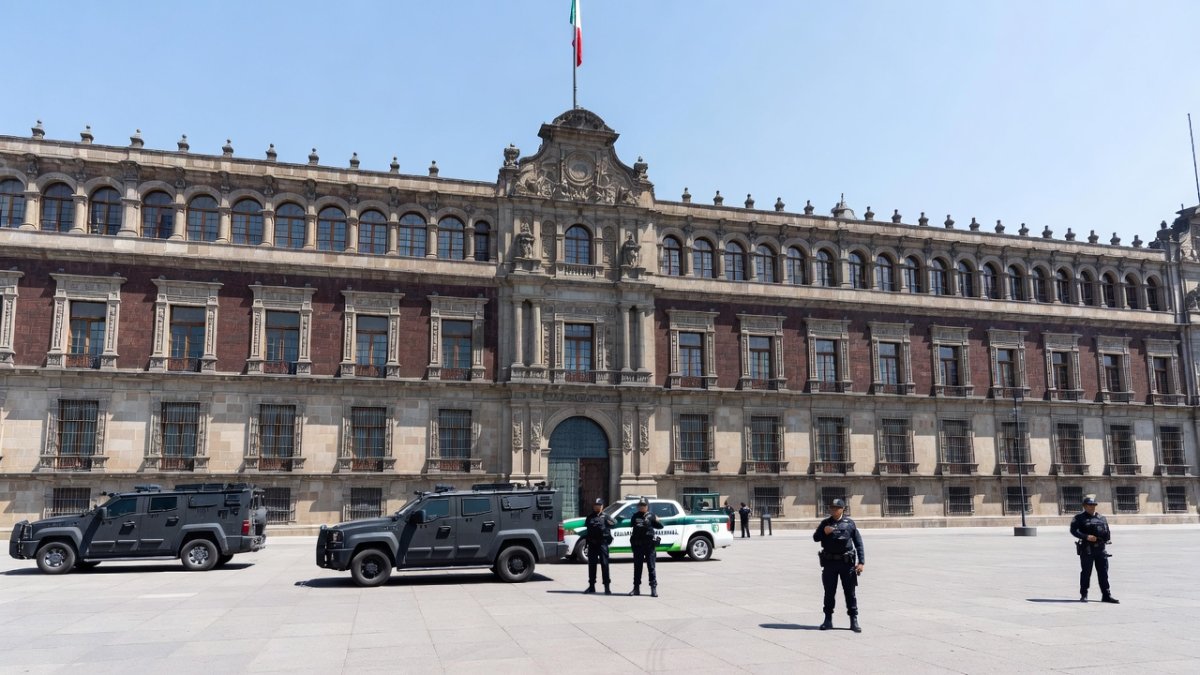
President Claudia Sheinbaum addressed reporters from Palacio Nacional on July 13, 2026, stating that Mexico will not extradite Rocha Moya or the other officials. She emphasized national sovereignty and directed the Fiscalía General de la República to open its own investigation into the allegations. This decision follows the established pattern set during the previous administration of handling such cases through Mexican institutions first.
Sheinbaum’s statement came hours after ProPublica published details of the US-Mexico diplomatic impasse over the extradition requests. The report described multiple rounds of talks that ended without agreement on handover procedures. Mexican diplomats cited concerns about the treatment of Mexican nationals in US custody as a key sticking point.
The president’s position received support from members of her party in Congress, who argued that turning over a sitting governor would set a dangerous precedent for state autonomy. Opposition lawmakers countered that refusing cooperation could damage Mexico’s international standing and slow efforts to curb cartel violence in Sinaloa.
Sheinbaum also referenced the separate criminal complaints Mexico filed regarding the deaths of 17 Mexicans in ICE custody. She linked the two issues, noting that any discussion of extradition must address accountability for incidents such as the July 7, 2026, shooting of Lorenzo Salgado Araujo in Houston.
Families in Culiacán Face Fresh Uncertainty
In Culiacán, the state capital, residents already contend with frequent cartel checkpoints and occasional gun battles in residential areas. The indictment adds political uncertainty to daily life, as families wonder whether state services will be disrupted by federal investigations or possible leadership changes. Local business owners report that some suppliers have already delayed deliveries pending clearer information on security conditions.
Parents in neighborhoods such as Las Quintas and Altos de la Sierra describe keeping children home from school on days when rumors of operations circulate. The new charges have intensified these conversations, with many families now discussing whether to send relatives to stay with relatives in other states until the situation stabilizes.
Community leaders in Culiacán note that the indictment has not yet produced visible changes in street-level security. State police continue patrols, but residents report that cartel lookouts remain active at major intersections. The added layer of federal scrutiny has not reduced the sense of vulnerability felt by ordinary families.
Economic effects are already appearing in the agricultural sector around Culiacán. Exporters of tomatoes and chilies worry that new security measures at ports could delay shipments and raise costs. Several farming cooperatives have scheduled emergency meetings to discuss contingency plans if federal forces increase their presence in the coming weeks.
More Than One Crisis at the Border
Mexico’s decision to file criminal complaints over the deaths of 17 Mexicans in ICE custody adds another layer to the current tensions. The July 7, 2026, shooting of Lorenzo Salgado Araujo in Houston has become a focal point for families demanding answers from both governments. Mexican consular officials in Texas have requested full investigative files on each of the 17 cases.
President Donald Trump’s tariff policies continue to affect cross-border trade, with new duties on Mexican agricultural products scheduled to take effect in August 2026. These economic pressures coincide with the fentanyl dispute, creating multiple simultaneous points of friction between Washington and Mexico City.
Border communities in Sonora and Chihuahua report increased vehicle inspections on both sides of the line. Truck drivers carrying produce and manufactured goods describe longer wait times and higher fuel costs. Families who cross regularly for medical care or family visits now plan extra time for each trip.
The combination of the extradition standoff, the ICE custody deaths, and tariff threats has prompted Mexican business associations to call for urgent diplomatic talks. They argue that prolonged uncertainty harms workers on both sides of the border who depend on steady trade flows.
Sovereignty or Collaboration? The Debate in Mexico City
Analysts in Mexico City remain divided on how to respond to the US charges. Some legal scholars argue that Mexico must demonstrate its own capacity to investigate and prosecute high-level corruption cases to maintain institutional credibility. Others insist that any cooperation with US authorities must include guarantees about the treatment of Mexican citizens in American prisons.
The Fiscalía General de la República has begun reviewing evidence provided by US prosecutors while conducting parallel inquiries in Sinaloa. Officials describe this approach as a middle path that respects sovereignty while addressing the serious nature of the allegations. The investigation is expected to take several months before any public findings are released.
Political figures from multiple parties have weighed in on the matter. Senators from the ruling party emphasize the need to protect Mexican jurisdiction, while members of opposition parties call for greater transparency in how the FGR will handle the case. Public opinion polls conducted in early July 2026 showed that a majority of Mexicans support an independent Mexican investigation before considering extradition.
Diplomats at the Secretaría de Relaciones Exteriores continue to manage communications with their US counterparts. Both sides have kept channels open even as public statements remain firm. The outcome of these talks will influence how future cases involving Mexican officials are handled.
What Comes Next for Mexico and the United States
The extradition requests remain with the Fiscalía General de la República for review. Under Mexican law, the final decision rests with the executive branch after the FGR completes its assessment. No timeline has been announced for when that review will conclude.
Diplomatic efforts continue through the Secretaría de Relaciones Exteriores, which has scheduled additional technical meetings with US counterparts. These discussions focus on evidence sharing and procedural questions rather than immediate handover. Both governments have stated they wish to avoid a complete breakdown in law-enforcement cooperation.
For residents of Sinaloa, the coming months will determine whether daily life returns to a familiar pattern or shifts further toward heightened security measures. Families in Culiacán and surrounding towns continue to monitor local news and government announcements for any sign of change in state leadership or federal operations.
The broader bilateral relationship now faces simultaneous tests on extradition, trade tariffs, and accountability for deaths in custody. The manner in which these issues are resolved will shape cooperation on security and migration for years to come.
Conclusion
The charges against Governor Rubén Rocha Moya place Mexico and the United States at a clear crossroads. Two nations whose economies, families, and security challenges remain deeply connected must determine how to address cartel violence while respecting each country’s legal framework.
Mexican families in Sinaloa and across the border deserve protection from fentanyl trafficking and cartel influence. They also deserve institutions that can investigate allegations thoroughly without external pressure dictating outcomes. The path forward requires both accountability and recognition of national sovereignty.
Ordinary citizens on both sides of the border continue to feel the effects of these high-level disputes in their daily lives. The coming weeks will show whether dialogue can produce concrete steps that reduce violence and restore confidence in cross-border cooperation.
By Rosa Martinez, Staff WriterThis article was produced with AI-assisted research and editorial support. Reporting is based on sources cited in the article.
What's Your Reaction?
 Like
0
Like
0
 Dislike
0
Dislike
0
 Love
0
Love
0
 Funny
0
Funny
0
 Wow
0
Wow
0
 Sad
0
Sad
0
 Angry
0
Angry
0
Latin America/Andes Correspondent at Global1.News. Based in Bogota, covering politics, environment, energy, and social movements across the Andean region. Passionate about environmental journalism and communities protecting their land.









Comments (0)