
VP Duterte Impeachment Trial Opens July 6 with...
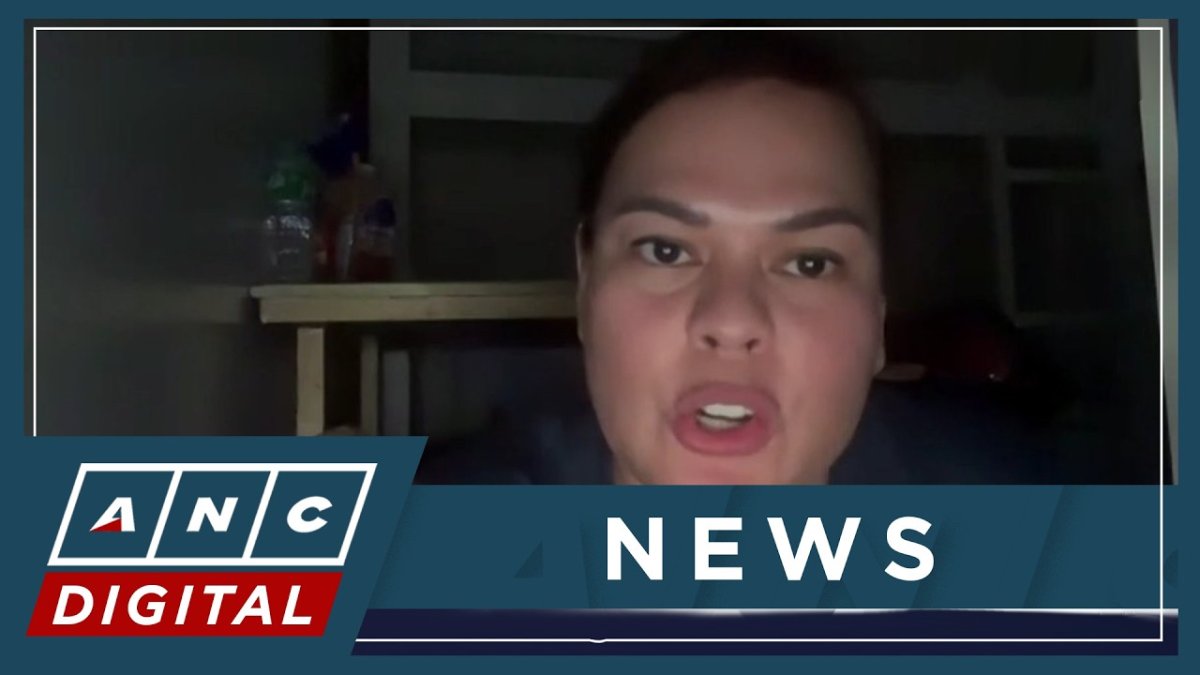
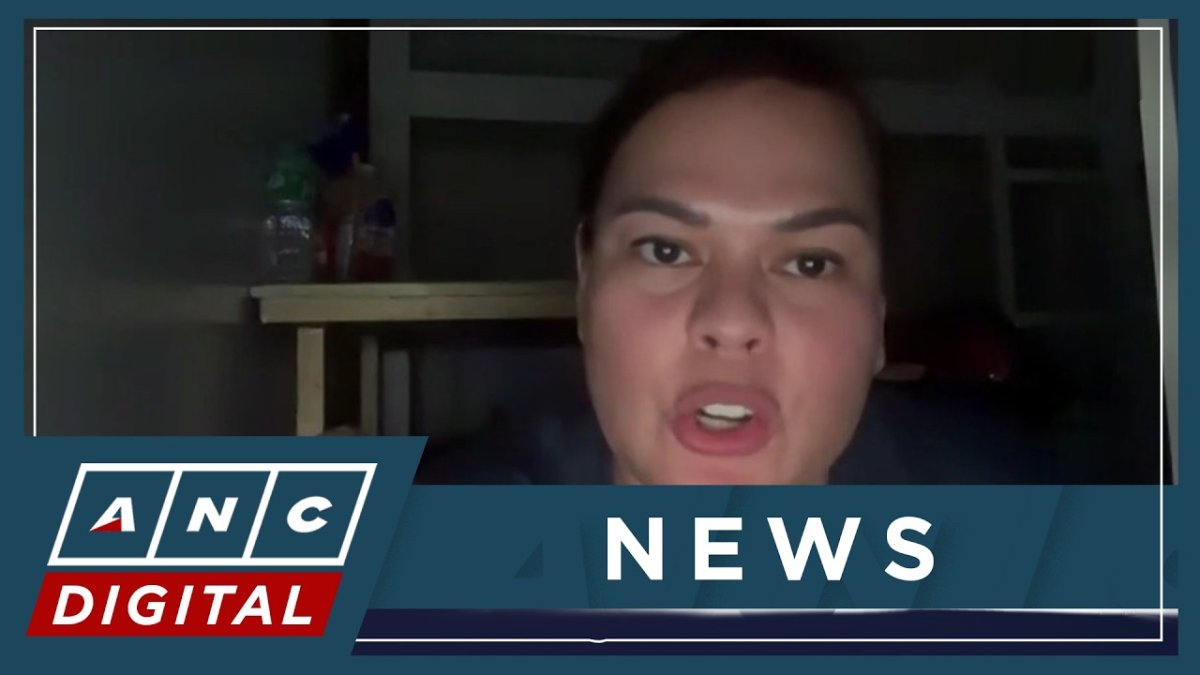
The ANC 24/7 video report from The World Tonight on July 2, 2026, detailed how House prosecutors will open the Senate impeachment trial of Vice President Sara Duterte by presenting evidence on the alleged assassination plot against President Ferdinand Marcos Jr. and his family. This development arrives just four days before the Senate impeachment court convenes on July 6, 2026,
The ANC 24/7 video report from The World Tonight on July 2, 2026, detailed how House prosecutors will open the Senate impeachment trial of Vice President Sara Duterte by presenting evidence on the alleged assassination plot against President Ferdinand Marcos Jr. and his family. This development arrives just four days before the Senate impeachment court convenes on July 6, 2026, marking the most closely watched constitutional proceeding in the Philippines in over a decade. Filipino families across Luzon, Visayas, and Mindanao now watch as political tensions that have simmered since the 2022 elections reach a formal legal test.
Trial Schedule Sets Clear Timeline for Proceedings
The Senate impeachment court approved a 92-day trial schedule that begins on July 6, 2026, after Senate President Sherwin Gatchalian signed the 14-page Pre-Trial Order on June 29, 2026. The Senate had already opened the impeachment court on May 18, 2026, establishing the framework for hearings that will run three days a week until the State of the Nation Address on July 27, 2026, after which the pace may adjust. This structure allocates 62 trial days to the prosecution and 30 days to the defense, with the One-Day Examination Rule limiting each witness to a single day of testimony to keep the process moving efficiently.
Filipino citizens following the case understand that these dates directly affect daily governance, from budget deliberations in Congress to local government projects that rely on stable national leadership. The schedule ensures that the trial does not drag indefinitely, yet it still provides enough time for both sides to present their cases fully. Communities in Davao, where Vice President Duterte maintains strong support, view the timeline as a test of whether institutions can handle high-stakes disputes without paralyzing public services.
Prosecution Opens with Assassination Plot Evidence
House lead prosecutor Batangas Representative Gerville Luistro will present the assassination plot and grave threats charge first, using 11 of the allocated trial days under Article 4. The National Bureau of Investigation, led by Director Melvin Matibag, has identified specific individuals allegedly hired by Vice President Duterte to target President Marcos and his family. NBI agents have also authenticated videos connected to the case, which prosecutors describe as the most straightforward article to prove because it rests on concrete identifications and documented communications.
House trial spokesperson Lanao del Sur Representative Zia Alonto Adiong emphasized that 57 prosecution witnesses are prepared to testify across the full trial. The decision to lead with this article reflects the prosecution's assessment that clear evidence of threats can establish an immediate foundation for the proceedings. For ordinary Filipinos concerned about political violence, the presentation of these details brings the human stakes into focus, especially in regions where past political rivalries have led to real security concerns for families.
Remaining Articles Cover Funds, Education, and Wealth
After the opening article, prosecutors will shift to the misuse of 125 million pesos in confidential and intelligence funds, which receives the largest block of 31 trial days. This charge centers on how those resources were spent during the Vice President's tenure, with specific transactions expected to come under scrutiny. The allocation of more than a month to this article shows the prosecution's intent to examine financial records in detail rather than rush through them.
The third article addresses irregularities during the Vice President's time at the Department of Education and is allotted eight trial days. The fourth article on unexplained wealth receives 12 trial days. Conviction on any single article is enough to remove the Vice President from office, a constitutional rule that makes each segment of the trial independently decisive. Families who rely on public education programs watch the DepEd-related charges closely because those allegations touch on classroom conditions and teacher support that affect millions of students nationwide.
Defense Prepares Multiple Legal Arguments
The defense team for Vice President Duterte plans to argue that statements in question fall under free speech protections and that bank secrecy laws shield certain financial records. They also maintain that the overall complaint lacks sufficient evidence to proceed. House prosecutors have countered that no constitutional right is absolute when public office and national security are involved, setting up direct clashes over legal boundaries during the hearings.
These defense positions will be tested against the NBI's authenticated videos and witness identifications in the opening days. The structured schedule gives both sides predictable opportunities to respond, reducing the chance of procedural surprises. For Filipino voters who elected both President Marcos and Vice President Duterte in 2022, the legal arguments represent a public reckoning with how power is exercised and checked within the country's democratic system.
Human Stories Behind the Constitutional Process
Behind the formal charges stand real Filipino families whose lives intersect with the institutions under examination. Teachers in public schools affected by the DepEd article wonder whether funding decisions translated into better classrooms or left gaps that parents had to fill themselves. Security personnel and local officials in areas where alleged threats were discussed carry the weight of knowing that political rhetoric can quickly affect community safety.
The 57 witnesses include individuals whose testimony could clarify events that have circulated in news reports for months. Their appearances under the One-Day Examination Rule mean each person must deliver focused accounts without extended cross-examination stretching across multiple sessions. This rule aims to protect witnesses from prolonged pressure while still allowing the Senate to gather necessary facts.
Political Stability and Public Trust at Stake
The impeachment trial tests the Senate's ability to serve as an impartial court while senators continue their regular legislative duties. Senate President Gatchalian's role as presiding officer places him at the center of managing both the schedule and objections that will arise. The outcome will influence how future disputes between the executive branch and Congress are handled, particularly when they involve officials from different political families.
Filipinos have seen political divisions affect everything from infrastructure projects to disaster response coordination. A trial that concludes with a clear verdict, regardless of the result, could either ease or intensify those divisions depending on whether the public views the process as fair. The 92-day framework provides a defined endpoint that communities can plan around, yet the substance of the evidence presented will determine whether trust in constitutional mechanisms grows or erodes.
Looking Ahead to the First Day of Hearings
When the Senate impeachment court convenes on July 6, 2026, the focus will immediately turn to the assassination plot evidence as prosecutors begin their 11-day presentation. The NBI's identifications and authenticated videos will face their first public examination under the One-Day Examination Rule. This opening phase sets the tone for how subsequent articles on funds, education, and wealth will unfold over the following months.
The trial's structure ensures that each charge receives dedicated attention, giving senators and the public time to assess the facts article by article. For a nation that values both strong leadership and accountability, the coming weeks will show whether the constitutional process can deliver answers that satisfy demands for transparency while respecting the rights of the respondent. The eyes of Filipino communities remain fixed on the Senate chamber as the proceedings begin.
By Bella Reyes, Staff WriterThis article was produced with AI-assisted research and editorial support. Reporting is based on sources cited in the article.
What's Your Reaction?
 Like
0
Like
0
 Dislike
0
Dislike
0
 Love
0
Love
0
 Funny
0
Funny
0
 Wow
0
Wow
0
 Sad
0
Sad
0
 Angry
0
Angry
0

Philippines/Southeast Asia Correspondent at Global1.News. Manila-based journalist covering Philippine politics, environment, maritime security, and social issues. Passionate about marine conservation and the communities protecting the Philippines' natural heritage.














Comments (0)