
75 Health Groups Oppose Tiered PhilHealth Benefits - Warn of Two-Tier Health System
Seventy-five national health care professional organizations have come together in a unified stand against a proposal that could reshape how Filipinos access health care through the Philippine Health Insurance Corp. (PhilHealth). In an open letter addressed to Executive Secretary Ralph Recto, these groups expressed deep concern over plans to create different benefit packages fo
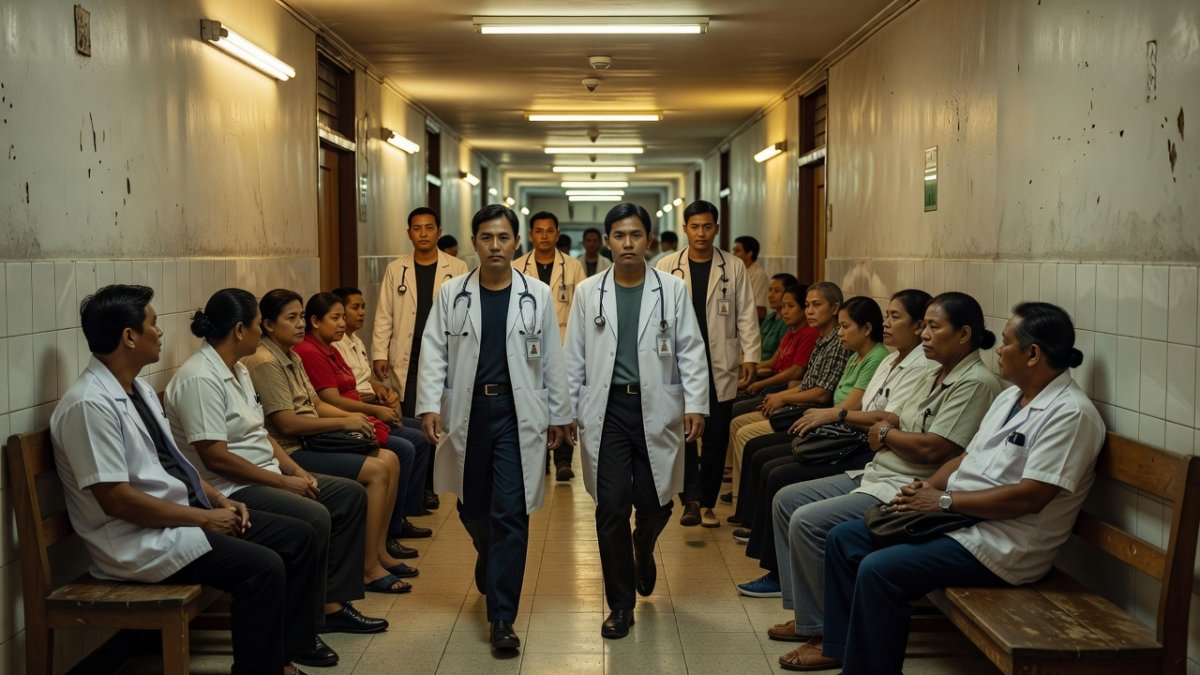
Seventy-five national health care professional organizations have come together in a unified stand against a proposal that could reshape how Filipinos access health care through the Philippine Health Insurance Corp. (PhilHealth). In an open letter addressed to Executive Secretary Ralph Recto, these groups expressed deep concern over plans to create different benefit packages for direct and indirect contributors, warning that such a move risks establishing a two-tier health system that divides patients based on their ability to pay premiums.
Health Workers See Patients, Not Categories
The coalition, led by the Philippine Medical Association and including the Philippine College of Physicians, Philippine College of Surgeons, Philippine Association of Medical Technologists, Philippine League of Government and Private Midwives Inc., Philippine Pharmacists Association, Philippine Heart Association, Philippine Nurses Association, Philippine Academy of Physicians, Philippine Association of Nutrition, and Philippine College of Adult Nephrology, emphasized that their daily work involves caring for Filipinos from every background. They stressed that health professionals do not view individuals as direct or indirect contributors but as patients needing care, regardless of economic status. This perspective highlights the human side of policy decisions that could affect ordinary families struggling with medical bills in communities from Manila to rural provinces.
For many Filipino households, a sudden illness can drain savings meant for children's education or daily meals. The groups noted that the Universal Health Care Act was designed to protect all citizens without creating tiers of access, ensuring that principles of contribution and priority for the poor work together rather than in competition. By focusing on this, the letter brings attention to how policy changes might impact workers who rely on PhilHealth during emergencies, such as a jeepney driver facing hospital costs after an accident or a farmer dealing with chronic conditions.
Impact on Working Families Paying Premiums
Many working Filipinos, including office employees, small business owners, and overseas workers' families back home, have voiced frustration that the benefits they receive do not match the premiums deducted from their salaries. The health organizations acknowledged these sentiments but pointed out that the issue stems not from indigent patients receiving too much support, but from the government's shortfall in financing premiums for the poor as required by law. This shortfall forces direct contributors to shoulder a larger burden than intended, affecting family budgets across the country where every peso counts toward food, transportation, and school supplies.
In Philippine communities, stories of families postponing treatment due to high out-of-pocket costs are common. A mother in a provincial town might delay check-ups for her children, while a factory worker in the capital worries about coverage for his elderly parents. The proposal for tiered benefits could deepen these worries, potentially leaving paying members feeling shortchanged while the broader goal of universal protection remains unmet. The groups stressed that addressing this requires fulfilling government obligations rather than dividing the system.
Protecting the Poor and Those Unable to Pay
The open letter underscores that the Universal Health Care Act prioritizes those who cannot afford premiums, recognizing the contributions of all workers in a complementary way. For indigent families, students from low-income backgrounds, and farmers in remote areas, PhilHealth serves as a vital safety net during health crises. Dividing benefits could mean that the most vulnerable face even greater barriers, forcing difficult choices between seeking care and meeting basic needs like rice on the table or jeepney fares to reach clinics.
Health professionals daily witness how such divisions affect real lives, from a midwife assisting a mother in a rural barangay to nurses caring for elderly patients in government hospitals. The groups argued that no Filipino should have to choose between supporting paying workers and aiding the poor, as their duty is to care for both. This stance reflects the cultural value of bayanihan, where community well-being takes precedence over individual tiers.
Government's Role in Meeting Legal Obligations
The organizations highlighted that creating separate benefit tiers would not resolve underlying issues but instead divert attention from the government's responsibility to fully fund PhilHealth as mandated by the Universal Health Care Act. They called for an end to fund diversions and underfunding, which would allow stronger benefits for every Filipino rather than favoring a select few. Executive Secretary Ralph Recto has advocated for expanded packages for paying members to align with their contributions, yet the health groups see this as shifting focus away from collective protection.
In practice, this means that families in urban and rural areas alike depend on consistent government support to keep premiums affordable and benefits meaningful. Without it, workers and the poor alike suffer, as seen in cases where patients must seek help from relatives abroad or community fundraisers to cover gaps in coverage. The letter urges fulfillment of these obligations to strengthen the system for all.
Building a Health System That Serves Everyone
By opposing the tiered approach, the 75 groups advocate for a unified system that recognizes the dignity of every patient. This approach aligns with Philippine values of solidarity, ensuring that policies do not fragment society along economic lines. For students facing tuition alongside medical needs, or communities rebuilding after natural disasters, equitable PhilHealth benefits can mean the difference between recovery and prolonged hardship.
The health organizations concluded their letter with a direct appeal to government leaders to mirror the professionals' commitment to caring for all Filipinos. As the debate continues, the focus remains on how these decisions will shape daily realities for millions, from bustling city markets to quiet provincial homes, where health security underpins family stability and national progress.
By Bella Reyes, Staff Writer
This article was produced with AI-assisted research and editorial support. Reporting is based on sources cited in the article.
What's Your Reaction?
 Like
0
Like
0
 Dislike
0
Dislike
0
 Love
0
Love
0
 Funny
0
Funny
0
 Wow
0
Wow
0
 Sad
0
Sad
0
 Angry
0
Angry
0

Philippines/Southeast Asia Correspondent at Global1.News. Manila-based journalist covering Philippine politics, environment, maritime security, and social issues. Passionate about marine conservation and the communities protecting the Philippines' natural heritage.









Comments (0)