
Vologda Governor Runs Out of Gas Amid Fuel Shortage Panic
The Irony in Vologda On Monday evening, Vologda region Governor Georgy Filimonov ran out of gasoline while driving and was forced to flag down a traffic police cruiser for assistance. The humiliating roadside breakdown came just one hour after he had published a Telegram message urging residents not to give in to panic and refrain from hoarding fuel amid what the Kremlin now ac
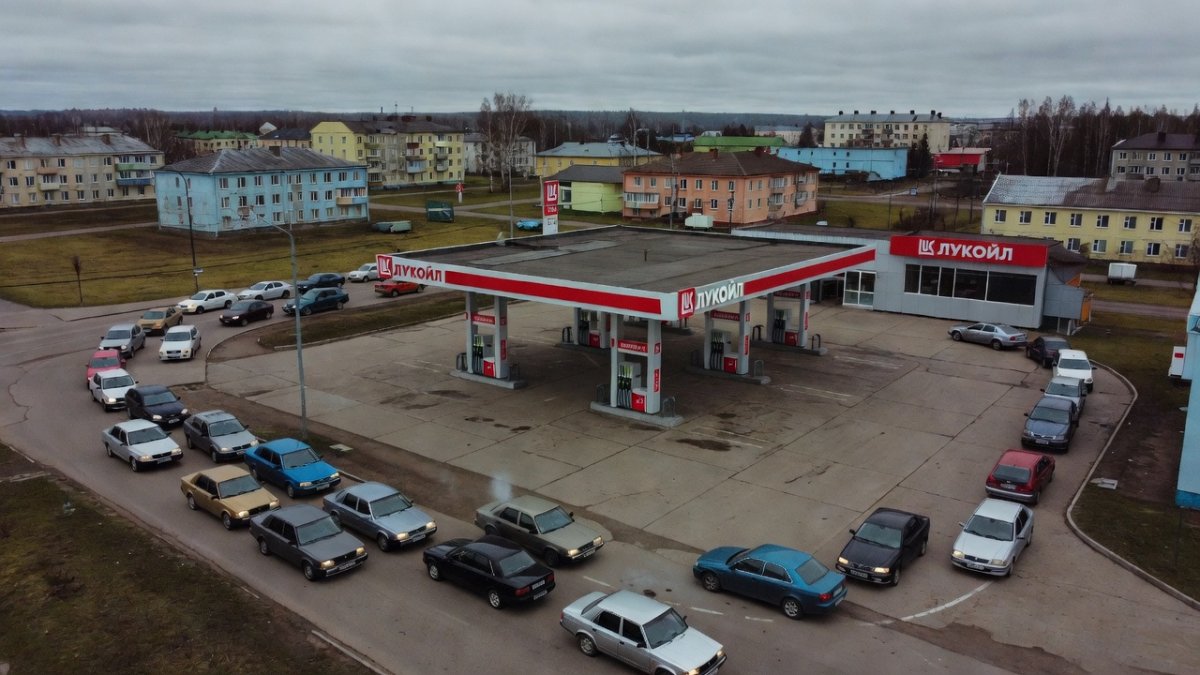
The Irony in Vologda
On Monday evening, Vologda region Governor Georgy Filimonov ran out of gasoline while driving and was forced to flag down a traffic police cruiser for assistance. The humiliating roadside breakdown came just one hour after he had published a Telegram message urging residents not to give in to panic and refrain from hoarding fuel amid what the Kremlin now acknowledges is a nationwide supply crisis. The governor's predicament has become an instant symbol of the disconnect between official messaging and on-the-ground reality in Russia's deepening fuel emergency. This event unfolded in the northwestern region where local motorists have faced similar disruptions since early summer.
The Vologda incident encapsulates a broader pattern across Russia's regions this summer, where local authorities are scrambling to contain public anxiety even as they themselves confront the same shortages affecting ordinary motorists. Since June, Russian regions have reported rising gasoline prices and, in some cases, outright supply gaps — a direct consequence of sustained Ukrainian drone strikes on Russia's oil refinery infrastructure. Nationwide, retail gasoline prices have climbed 11.6 percent since January, hitting an average of 72.38 rubles per liter as of late June. Observers note that such personal encounters with scarcity underscore the challenges facing regional leadership during this period.
Filimonov himself highlighted the personal nature of the crisis in his statements, noting that he fills up his own car regularly and experiences the situation firsthand at gas stations. The governor emphasized that current fuel supply volumes require prioritizing emergency and essential vehicles, a directive that aligns with efforts to maintain order amid doubled regional demand. This approach reflects attempts by officials to manage distribution without widespread disruption. The irony of the governor's own vehicle running dry shortly after his public appeal has drawn attention to the immediacy of supply constraints in Vologda.
Regional reports indicate that wholesale shipments from refineries have stagnated, forcing administrations like Filimonov's to seek increased deliveries through direct channels. The incident serves as a reminder that even high-level figures are not insulated from the effects of the supply issues affecting the broader population. As talks continue with federal entities, the focus remains on preventing artificial shortages through disciplined measures.
Governor Filimonov's Telegram Plea
In a Telegram post addressed to Vologda residents, Governor Georgy Filimonov said he had experienced Russia's fuel supply woes firsthand. He wrote that he knows exactly what is happening at gas stations right now because he fills up his own car regularly and experiences this firsthand. The message stressed the need to view the situation with understanding and to refrain from hoarding fuel or giving in to panic. This plea came as part of efforts to stabilize public response in the face of reported demand increases.
Filimonov added that given current fuel supply volumes, the top priority must remain keeping emergency and essential vehicles fueled across the region. The governor's words aimed to reassure residents that authorities were aware of the pressures at retail outlets. By framing the issue as one requiring collective discipline, the post sought to avoid escalation of shortages through unnecessary stockpiling. Such communications have become common in affected areas since the onset of supply challenges in June.
The Telegram message positioned the regional administration as actively monitoring conditions at the pump level. Filimonov noted that he regularly interacts with the fuel situation personally, lending credibility to his call for calm. Residents were urged to cooperate in maintaining steady access for critical services. This approach reflects standard protocols during periods of constrained wholesale availability from major suppliers.
Official statements in the post underscored that rational handling of the existing volumes could avert further complications. The governor's direct address to the public highlighted the shared nature of the difficulties. By emphasizing firsthand knowledge, Filimonov attempted to bridge the gap between leadership and motorists. These messages continue to circulate as the situation develops in Vologda and similar regions.
Running on Empty: The Governor's Breakdown
About an hour after his initial Telegram post, Filimonov issued a follow-up voice message claiming that his car had sputtered to a halt on a roadway after running out of gasoline. He said he was forced to flag down a traffic police cruiser to continue his journey. The governor stated that everyone is in the same boat and working to resolve the existing problem. This personal account quickly amplified discussions about the reach of the fuel constraints.
The voice message detailed how the vehicle came to a stop, mirroring the experiences reported by other drivers in the region. Filimonov used the incident to reinforce his earlier call for understanding among residents. By sharing the breakdown publicly, he illustrated the practical impacts of stagnated shipments. The event occurred on a Monday evening, adding to the immediacy of the report.
Traffic police assistance allowed the governor to proceed, but the episode highlighted vulnerabilities in daily operations. Filimonov connected his experience directly to the broader supply volumes available in Vologda. The message served as both an admission and a reinforcement of the need for prioritized allocation to essential services. Such candid updates have helped frame the crisis as one affecting all levels of society.
Residents and observers noted the timing of the voice message relative to the earlier plea. The governor reiterated that disciplined behavior could help manage the doubled demand levels. This sequence of communications provided a real-time window into the challenges facing regional transport. The breakdown has since been referenced in coverage of the ongoing fuel situation.
Partial Limits and Lukoil Negotiations
On Monday the governor announced partial limits on retail gasoline sales to motorists, claiming that regional demand for fuel has doubled while wholesale shipments from refineries have stagnated. Filimonov said his administration is in talks with Russia's Energy Ministry and Lukoil, which owns 90 percent of the gas stations in the Vologda region, to aggressively ramp up deliveries. The measures aim to ensure that essential vehicles maintain access amid the constraints. These steps were presented as temporary responses to the current volumes.
The partial limits reflect efforts to balance retail access with the need to support critical operations. Filimonov stressed that if the situation is handled rationally and with discipline, an artificial shortage can be prevented. Negotiations with Lukoil focus on increasing the flow of fuel to the region's network of stations. The Energy Ministry has been engaged to coordinate broader supply adjustments.
Regional authorities have monitored station-level activity closely since the announcement of these limits. The involvement of Lukoil underscores the company's dominant position in Vologda's retail market. Filimonov indicated that ongoing discussions seek to address the stagnation in wholesale movements from refineries. Such targeted talks represent standard channels for resolving localized supply issues.
The governor's statements emphasized cooperation between regional and federal entities alongside private operators. Partial restrictions were positioned as a tool to stabilize distribution without broader panic. Residents have been advised to adhere to the guidelines during this period. These initiatives continue as part of the response to elevated demand levels.
Ukraine's Shadow: Refinery Strikes Disrupt Supply Chains
Since June, Russian regions have increasingly faced higher gasoline prices at the pump and, in some cases, outright shortages as a result of Ukrainian attacks on oil refineries and fuel supply networks. These strikes have contributed directly to the stagnation in wholesale shipments observed in areas like Vologda. The resulting pressure on supply volumes has prompted regional leaders to implement measures such as partial sales limits. Nationwide effects include the documented 11.6 percent climb in retail prices since January.
The disruption to refinery infrastructure has created ripple effects across distribution networks serving multiple regions. Filimonov referenced these challenges when discussing the need to prioritize essential vehicles in Vologda. Ukrainian actions targeting fuel supply networks have compounded the difficulties in maintaining steady deliveries from major producers. This context frames the urgency behind negotiations with the Energy Ministry and companies like Lukoil.
Regional reports tie the current constraints explicitly to the impacts of sustained strikes on processing facilities. The governor's firsthand experience with running out of fuel illustrates how these supply chain interruptions reach individual motorists. Efforts to ramp up shipments aim to mitigate the effects of reduced output from affected refineries. Such dynamics have influenced policy responses at both local and federal levels.
The pattern of shortages and price increases aligns with the timeline of refinery disruptions beginning in June. Authorities continue to monitor how these external factors affect domestic availability. Filimonov's communications have acknowledged the role of these strikes in shaping the present conditions. Coordinated actions seek to stabilize the situation despite ongoing pressures on the networks.
The National Picture: 11.6% Price Surge and FAS Crackdowns
Nationwide, retail gasoline prices have climbed 11.6 percent since January, hitting an average of 72.38 rubles per liter as of late June. This surge coincides with the supply challenges reported in regions including Vologda, where demand has doubled against stagnated wholesale flows. The Federal Antimonopoly Service, or FAS, has initiated crackdowns to address potential profiteering amid the elevated prices. Such interventions target irregularities in the retail market during this period of constraint.
The national average reflects broader trends affecting motorists across Russia since the start of the summer. Filimonov's announcements in Vologda mirror similar communications from other governors dealing with comparable pressures. FAS actions focus on ensuring compliance with pricing regulations as shipments from refineries face limitations. The 72.38 rubles per liter figure underscores the cumulative impact of these developments.
Officials at the federal level have coordinated with regional administrations to monitor station operations. The price increase has prompted scrutiny of supply chains involving major players such as Lukoil, Gazprom Neft, and Rosneft. FAS crackdowns aim to prevent artificial inflation beyond the documented wholesale stagnation. These measures complement local efforts like those announced by Filimonov.
The surge since January has been linked directly to the refinery and network issues stemming from Ukrainian strikes. Regional pleas for calm, including those from Vologda, align with national attempts to manage public response. Continued oversight by FAS seeks to maintain stability in the retail sector. This national context provides perspective on the localized incidents reported in northwestern Russia.
Analysis: War Economy Strains Beneath the Surface
The events in Vologda, including Governor Georgy Filimonov's Telegram plea and subsequent breakdown, reveal underlying strains in Russia's fuel distribution amid ongoing conflict pressures. Partial limits and negotiations with the Energy Ministry and Lukoil represent attempts to navigate doubled demand against reduced wholesale availability. These measures occur against a backdrop of 11.6 percent national price growth and FAS interventions. The involvement of figures such as President Putin and Moscow Mayor Sobyanin in broader economic oversight highlights the centralized response to regional disruptions.
Analysis of the supply chain interruptions points to the cumulative effects of refinery strikes on domestic logistics. Filimonov's emphasis on disciplined behavior and prioritization of essential vehicles illustrates adaptive strategies at the local level. Companies including Gazprom Neft and Rosneft factor into the wider network adjustments needed to address stagnation. Such dynamics suggest that war-related economic demands are testing the resilience of established distribution systems.
The irony of the governor's personal fuel shortage serves as a microcosm of larger challenges facing the national economy. Continued talks with federal ministries aim to restore balance in regions like Vologda where Lukoil stations predominate. FAS crackdowns on pricing complement these efforts by targeting potential market distortions. Observers interpret these combined actions as indicators of the need for sustained coordination during periods of external strain.
Overall, the situation underscores how regional incidents connect to nationwide trends in prices and availability. Filimonov's communications have framed the issues as manageable through rational handling and avoidance of panic. The role of Ukrainian attacks on infrastructure remains central to understanding the timeline since June. These elements together point to persistent pressures within the war economy that require ongoing attention from authorities at all levels. 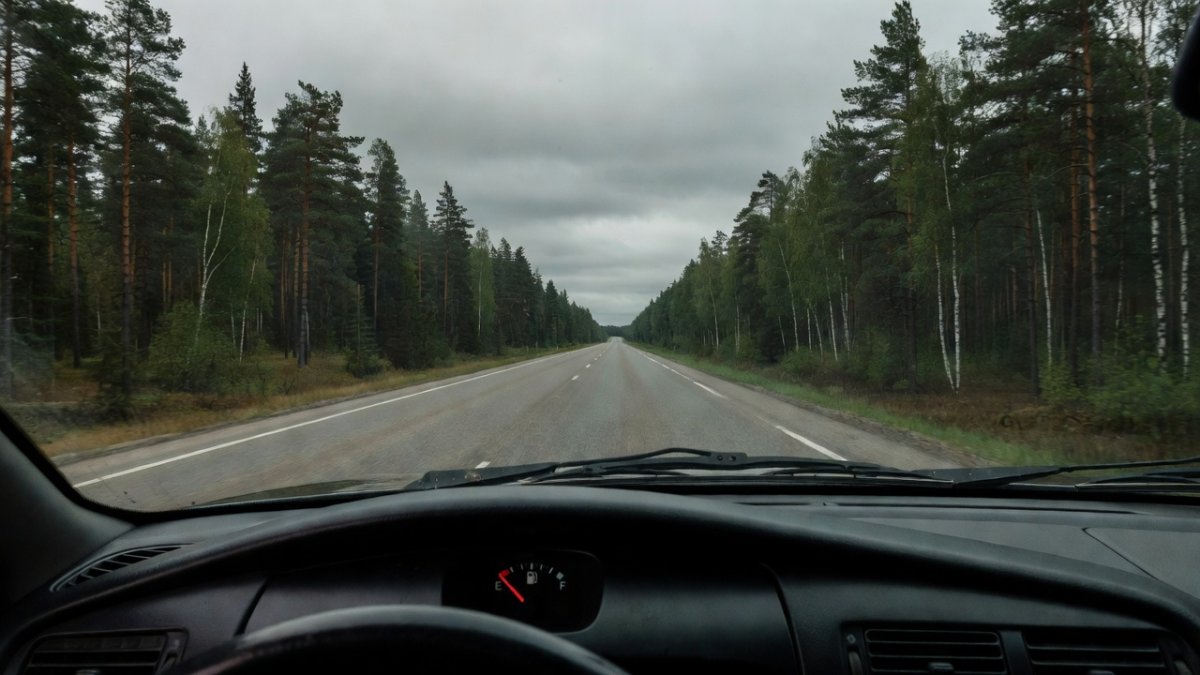 By Irina Volkov, Staff Writer
This article was produced with AI-assisted research and editorial support. Reporting is based on sources cited in the article.
What's Your Reaction?
 Like
0
Like
0
 Dislike
0
Dislike
0
 Love
0
Love
0
 Funny
0
Funny
0
 Wow
0
Wow
0
 Sad
0
Sad
0
 Angry
0
Angry
0
Russia/Eastern Europe Correspondent at Global1.News. Covering Russian politics, energy, security, and the shifting dynamics of the post-Soviet space. Provides clear-eyed analysis on one of the world's most opaque regions.










Comments (0)