
Dominion v. Fox News: Inside the Record $787.5M Deal
Dominion v. Fox News: The $787.5 Million Settlement That Never Made It to Trial A Case That Changed Media Law Before It Reached Trial The Dominion Voting Systems defamation lawsuit against Fox News reached its dramatic conclusion on April 18, 2023, when the network agreed to pay $787.5 million just days before a Delaware jury would have heard the evidence. This settlement stand
A Case That Changed Media Law Before It Reached Trial
The Dominion Voting Systems defamation lawsuit against Fox News reached its dramatic conclusion on April 18, 2023, when the network agreed to pay $787.5 million just days before a Delaware jury would have heard the evidence. This settlement stands as one of the largest defamation payouts in American media history, dwarfing previous records and sending shockwaves through cable news boardrooms. The case never reached a full trial, yet the pre-trial discovery process exposed internal communications that proved more revealing than any verdict could have been.
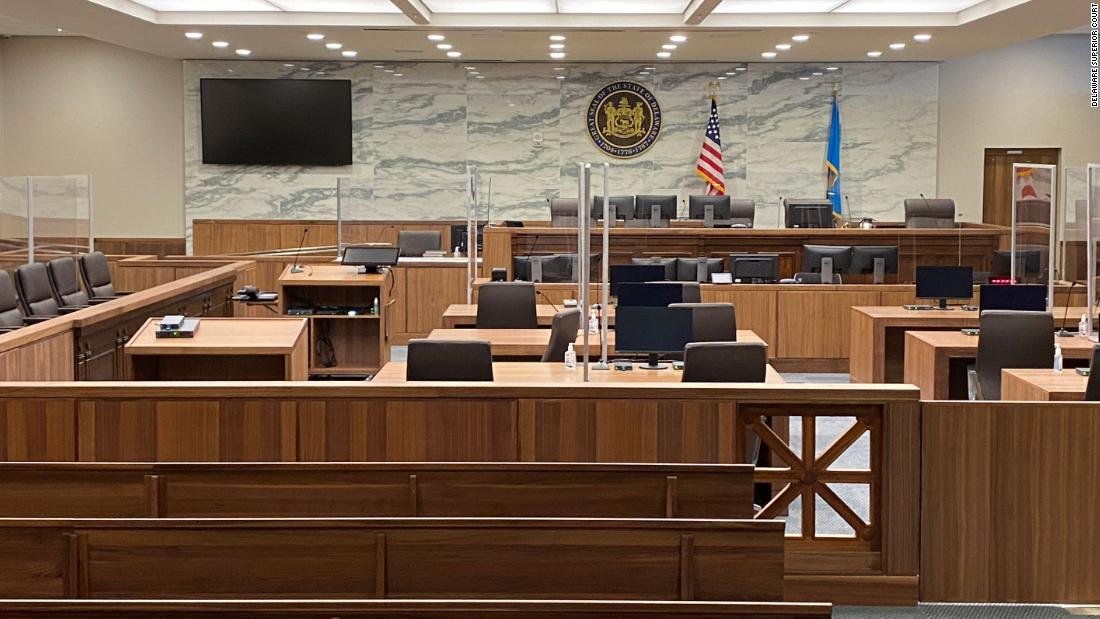
Judge Eric Davis had already signaled his frustration with Fox's legal team during preliminary hearings, making it clear that the network could not hide behind vague First Amendment defenses. With 300 potential jurors summoned to Courtroom 7E in Wilmington, the machinery of justice was fully engaged. Fox executives faced the prospect of testifying under oath about why they continued broadcasting claims about Dominion's voting machines despite mounting evidence those claims were false.
The settlement avoided a public spectacle but did not erase the damage already done to Fox's credibility. Dominion's willingness to pursue the case aggressively forced the network into a corner where paying nearly $800 million became the less painful option. This outcome demonstrated that media companies can no longer treat election-related falsehoods as low-risk entertainment.
How Fox's Election Coverage Sparked a $1.6 Billion Lawsuit
Following the 2020 presidential election, Fox News repeatedly aired allegations that Dominion Voting Systems had rigged its machines to steal votes from Donald Trump. Hosts and guests promoted claims of widespread fraud involving the company's technology, assertions that Dominion argued destroyed its reputation and cost it major contracts across multiple states. The company responded by filing a $1.6 billion defamation suit, a figure that reflected both actual financial losses and the severe reputational harm inflicted by weeks of unsubstantiated attacks.
Dominion's market position as a leading provider of voting technology made these broadcasts particularly damaging. Election officials in several jurisdictions began questioning whether to renew contracts with the company, creating immediate revenue threats. Fox's coverage continued even as internal doubts grew, revealing a pattern where audience retention appeared to outweigh journalistic standards.
The lawsuit highlighted how cable news outlets sometimes prioritize narrative over verification during high-stakes political moments. Dominion's legal team methodically documented every false claim broadcast on Fox programs, building a record that became impossible to ignore once discovery began. This foundation turned a standard defamation action into a referendum on media responsibility during contested elections.
Jury Selection and Courtroom Drama in Wilmington
Jury selection in April 2023 transformed Courtroom 7E into the center of national attention as 300 potential jurors were called to evaluate one of the most consequential media cases in decades. Judge Eric Davis oversaw the process with visible impatience toward Fox's attempts to delay or deflect, setting a tone that suggested the network would receive no special treatment. The proceedings moved forward with unusual speed, underscoring that this trial would not be business as usual for a major media defendant.
The atmosphere in Wilmington carried the weight of history, with legal observers noting that the evidence already disclosed in pre-trial filings had shifted the dynamics dramatically. Fox's legal team appeared increasingly defensive as the judge rejected several of their motions, signaling that the case would focus squarely on whether the network acted with actual malice. Potential jurors represented a cross-section of Delaware residents who would have been tasked with weighing complex questions of media ethics and corporate accountability.
The sudden settlement announcement stunned observers who had prepared for weeks of testimony from high-profile witnesses. Rupert Murdoch, Suzanne Scott, Tucker Carlson, and Sean Hannity had all been slated to appear, their private communications already public through discovery. The abrupt end to the trial process left many questions unanswered in open court but preserved the explosive documents for public scrutiny.
Internal Documents That Exposed the Gap Between Public and Private
Pre-trial discovery produced a devastating trove of internal emails and text messages showing Fox hosts and executives privately ridiculing the very election fraud claims they promoted on air. These communications revealed a stark disconnect between the network's public programming and the skepticism expressed behind closed doors, evidence that Dominion's attorneys used to argue actual malice. The documents demonstrated that key figures at Fox understood the Dominion allegations lacked credibility yet continued broadcasting them to maintain viewership.
Messages from prominent hosts expressed contempt for the sources promoting fraud narratives while simultaneously platforming those same sources during prime-time segments. Executives appeared more concerned with ratings and political fallout than with correcting the record. This body of evidence transformed the case from a routine defamation dispute into a broader indictment of how certain media outlets operate during politically charged periods.
The release of these internal records marked a turning point in media accountability litigation. No longer could Fox claim ignorance or good-faith reliance on outside sources when its own employees had expressed serious doubts. The discovery phase effectively forced the network to confront the consequences of prioritizing audience engagement over factual accuracy, a reckoning that ultimately drove the settlement decision.
The $787.5 Million Settlement and What It Meant
Fox News agreed to pay Dominion $787.5 million on April 18, 2023, without admitting wrongdoing, yet the size of the payout spoke louder than any legal disclaimer. The settlement represented a massive financial hit that affected not only the network but also its parent company and shareholders who watched the stock react to the news. This record sum underscored how seriously the legal risks of broadcasting false election claims had become.
The decision to settle avoided further exposure of internal communications and spared executives from testifying under oath about their editorial choices. However, the payment itself served as a de facto acknowledgment that the network's coverage had crossed legal boundaries. Shareholders absorbed the cost, prompting internal reviews about how future election coverage would be handled to avoid similar liabilities.
While Fox maintained that the settlement was a business decision rather than an admission of fault, the financial reality told a different story. The $787.5 million figure exceeded many previous media defamation awards combined, establishing a new benchmark for the potential cost of irresponsible election reporting. This outcome forced media companies across the industry to reassess their risk calculations when covering contested political events.
What the Dominion Case Means for Media Accountability Today
The Dominion settlement reinforced the boundaries of First Amendment protections when media outlets spread demonstrably false claims about election integrity. The actual malice standard, long a shield for journalists, proved insufficient when internal documents showed hosts and executives knowingly promoting falsehoods. This precedent suggests that future plaintiffs may find greater success when discovery reveals similar gaps between public statements and private doubts.
Election misinformation now carries clearer financial consequences for cable news networks. The case demonstrated that viewers and affected companies can hold media organizations accountable through the courts when reckless reporting damages reputations and undermines public trust. Other voting technology providers and election officials have taken note, potentially deterring similar coverage in future cycles.
The broader impact extends beyond Fox News to the entire media landscape. Outlets that once treated election fraud claims as harmless speculation must now weigh the possibility of massive litigation costs. The Dominion case established that spreading lies about voting systems is not protected speech when evidence shows the speakers knew better, reshaping the calculus for how networks cover contested elections.
The Bottom Line
The Dominion lawsuit against Fox News redefined the risk environment for cable news coverage of elections. By settling for $787.5 million before a jury could render a verdict, the network acknowledged that the cost of continuing the fight outweighed any potential benefit. The pre-trial revelations about internal skepticism versus public promotion of falsehoods remain the most enduring legacy of the case.
Media accountability is achievable when plaintiffs possess the resources and determination to pursue discovery aggressively. The documents unsealed during the litigation process exposed how certain outlets prioritize ratings over accuracy, providing a roadmap for future litigants. Fox's decision to pay such an enormous sum rather than face a jury verdict sent an unmistakable signal to the industry.
Going forward, news organizations will operate under heightened scrutiny whenever they amplify unverified claims about election technology or results. The Dominion case proved that financial consequences can follow when media companies abandon basic standards of verification. This recalibration may ultimately strengthen public trust in institutions willing to report facts rather than speculation.
By Jessica Ali, Staff WriterThis article was produced with AI-assisted research and editorial support. Reporting is based on sources cited in the article.
What's Your Reaction?
 Like
0
Like
0
 Dislike
0
Dislike
0
 Love
0
Love
0
 Funny
0
Funny
0
 Wow
0
Wow
0
 Sad
0
Sad
0
 Angry
0
Angry
0

Editor-in-Chief at Global1.News. Atlanta-based journalist who cuts through the BS and tells it like it is. Lead anchor, host, and the voice you hear when the spin stops and the truth starts.















Comments (0)