
Venezuela's Twin Earthquakes: UK Aid Teams Arrive as Public Anger Grows
In the five days since twin earthquakes devastated the Venezuelan coastal state of La Guaira, a familiar pattern has emerged — international aid arriving faster than the government in Caracas can distribute it, and a population asking why their leaders were not better prepared. With 1,719 people confirmed dead, more than 5,000 injured and tens of thousands still missing, the sc
In the five days since twin earthquakes devastated the Venezuelan coastal state of La Guaira, a familiar pattern has emerged — international aid arriving faster than the government in Caracas can distribute it, and a population asking why their leaders were not better prepared. With 1,719 people confirmed dead, more than 5,000 injured and tens of thousands still missing, the scale of the disaster is still coming into focus. For the United Kingdom, which has deployed search and rescue teams alongside Britain's Red Cross volunteers, the crisis raises difficult questions about how to deliver humanitarian aid to a country under Western sanctions while the regime in Caracas faces mounting public fury.
Venezuela's Twin Earthquakes: 1,719 Dead as UK Aid Teams Arrive and Public Anger Boils Over
La Guaira, Venezuela – 30 June 2026 —
The Scale of the Catastrophe in La Guaira
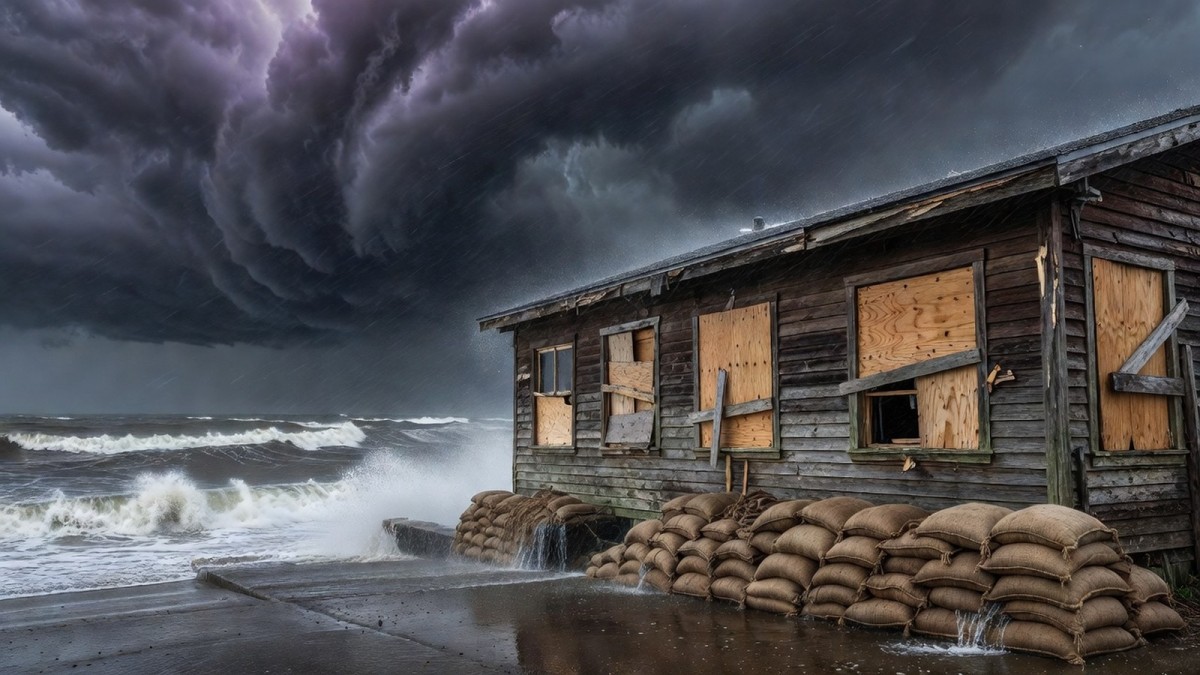
Twin earthquakes of magnitude 7.5 and 7.2 struck La Guaira in Vargas state on 24 and 25 June 2026. The Foreign, Commonwealth and Development Office is tracking every development through its crisis centre in London. Venezuelan authorities have confirmed 1,719 deaths and more than 5,000 injuries. Tens of thousands remain missing as aftershocks of 4.8 and 4.9 continue to rattle the region.
Miracle Rescues Amid the Rubble
A 21-year-old man was pulled alive on Monday morning after more than 100 hours trapped beneath collapsed concrete. A newborn baby has also been rescued and is recovering in hospital alongside its mother. Rescue teams from El Salvador, Mexico and Venezuela are working around the clock, yet the US Geological Survey warns the final death toll could exceed 10,000.
Public Anger at the Maduro Government's Response
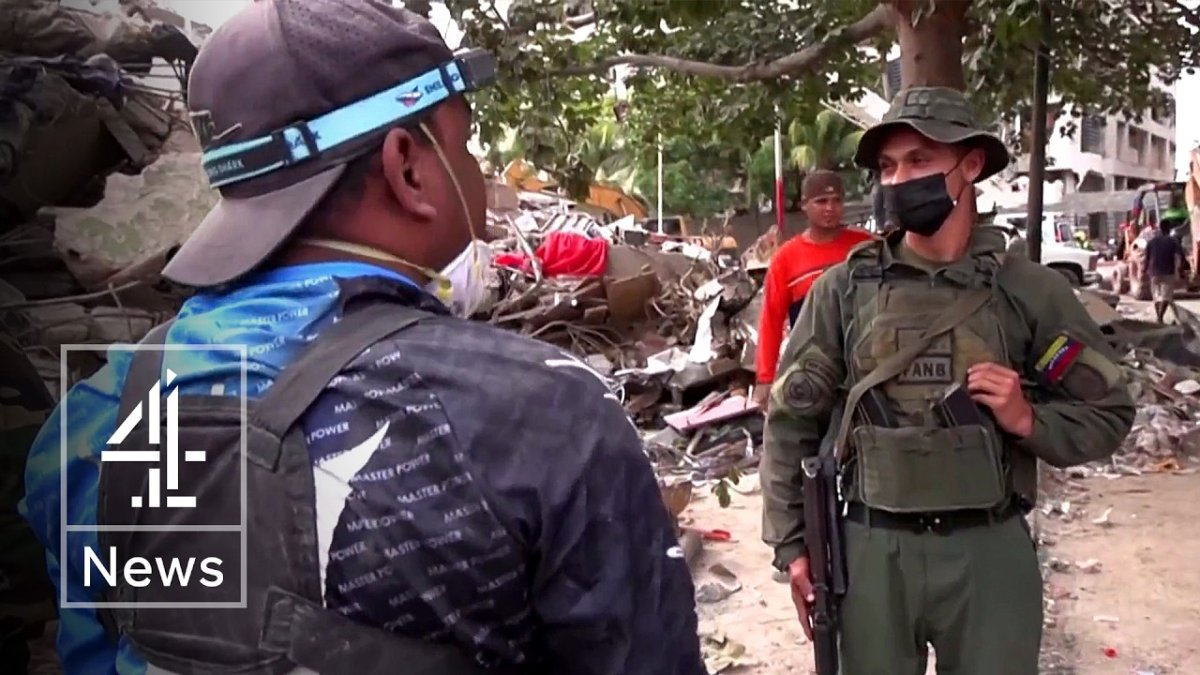
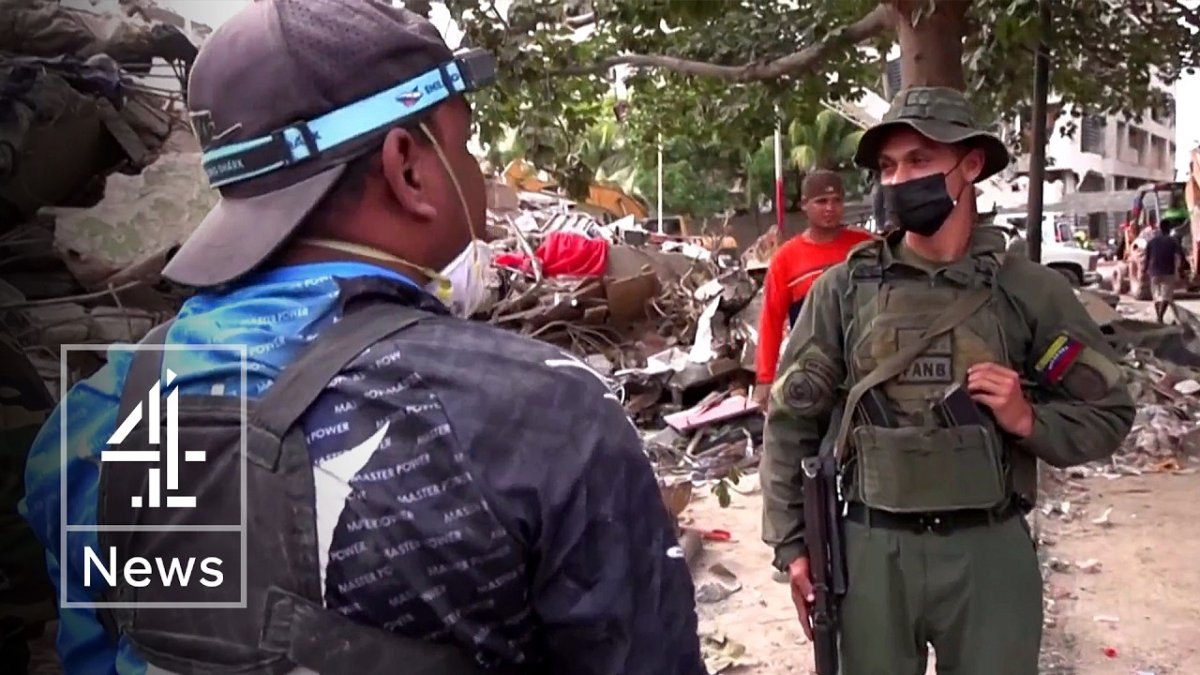
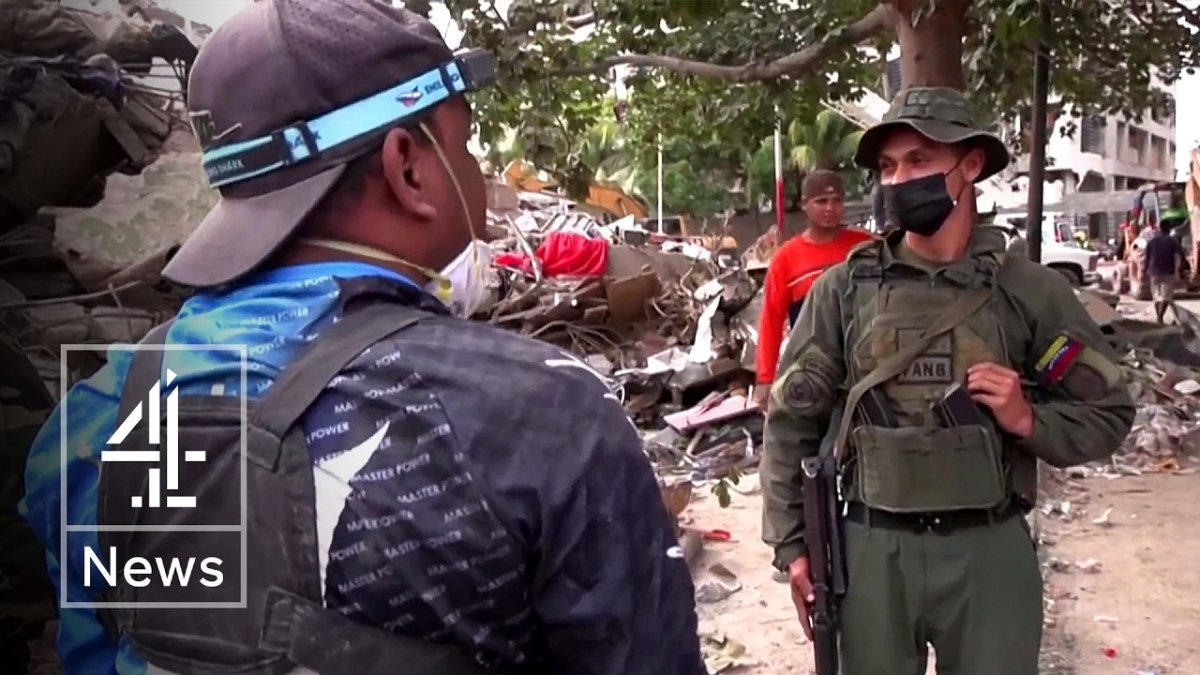
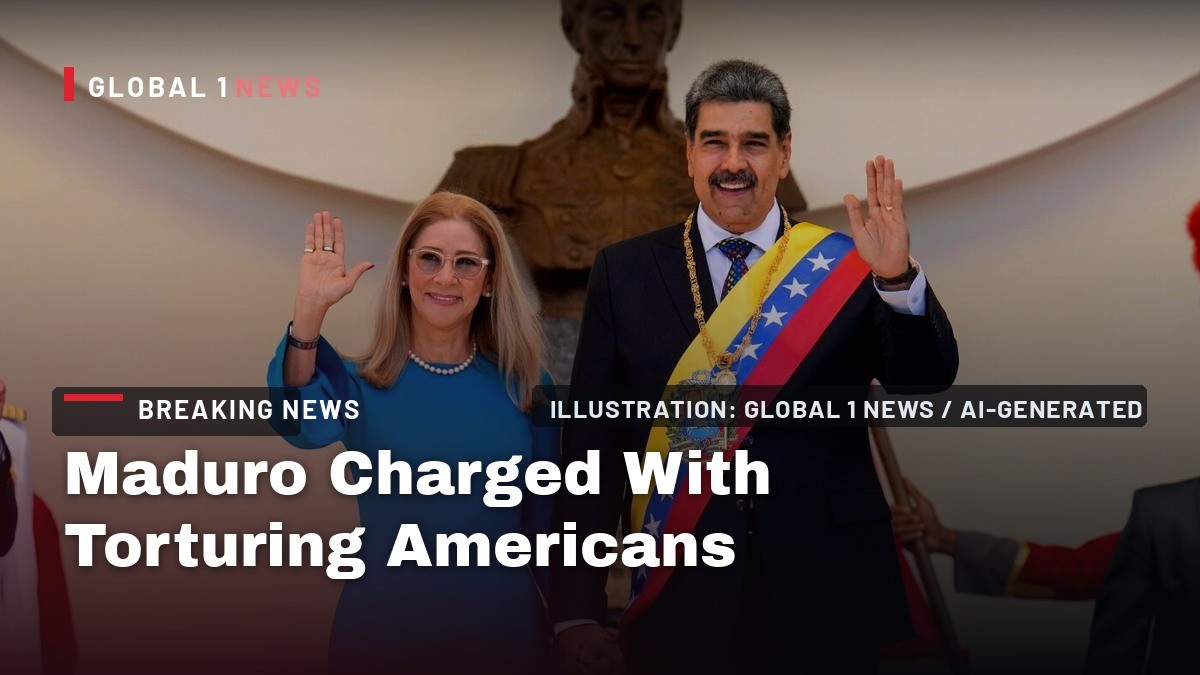
Channel 4 News reporter Paraic O'Brien has reported growing fury on the streets. Many Venezuelans blame the government for slow distribution of aid and inadequate preparation, despite the country already facing a severe economic crisis before the disaster struck. The United Nations has delivered 10,000 body bags while China has pledged an additional $14.7 million in relief.
The United Kingdom's Immediate Response
The FCDO has activated its Rapid Deployment Team and sent UK International Search and Rescue specialists to the affected area. British Red Cross volunteers are coordinating with local partners to deliver medical supplies and temporary shelter. The British Embassy in Caracas is working to locate and support any British nationals caught in the disaster zone, many of whom live in coastal communities around La Guaira and Caracas.
The Foreign Secretary has stated that the UK stands ready to increase support if requested by Venezuelan authorities. This approach reflects lessons learned from previous humanitarian operations in Haiti and Nepal, where rapid deployment of specialist teams saved lives in the critical first 72 hours.
Implications for British Nationals and UK-Venezuela Relations
Approximately 1,200 British nationals are registered with the embassy in Caracas. Many face disrupted power supplies and damaged infrastructure. The FCDO travel advice has been updated to advise against all but essential travel to Vargas state. Long-term, the disaster may influence the UK's sanctions policy, as some observers argue that existing measures have complicated the delivery of heavy rescue equipment.
Challenges for Future UK Humanitarian Policy
The Venezuela crisis highlights the difficult balance between targeted sanctions and the need for swift humanitarian access. The Department for International Development legacy programmes, now under the FCDO, have previously supported disaster preparedness across Latin America. Officials in London are now reviewing whether additional funding should be ring-fenced for rapid-response stockpiles in the Caribbean and northern South America.
Local authorities in Vargas state have appealed for generators, water purification kits and temporary housing. The UK's contribution, though modest in scale compared with larger donors, is focused on niche capabilities that Venezuelan teams currently lack.
What Happens Next
With aftershocks continuing and the rainy season approaching, the window for locating survivors is closing rapidly. The FCDO will maintain its presence on the ground while monitoring the political temperature in Caracas. For British taxpayers, the operation represents a familiar commitment to humanitarian principles, even in countries where diplomatic relations remain strained.
By Erica Thornton, Staff WriterThis article was produced with AI-assisted research and editorial support. Reporting is based on sources cited in the article.
What's Your Reaction?
 Like
0
Like
0
 Dislike
0
Dislike
0
 Love
0
Love
0
 Funny
0
Funny
0
 Wow
0
Wow
0
 Sad
0
Sad
0
 Angry
0
Angry
0

US Politics and Policy Correspondent at Global1.News. Based in Washington DC, covering American politics, policy, elections, and the courts. Knows how the system works and tells you what it actually means.










Comments (0)