
Venezuela Twin Earthquakes Kill 2,954 as Canada Sends $5 Million in Humanitarian Aid
The CBC News video titled 'Venezuela earthquake deaths reach nearly 3,000, thousands still missing' from July 5, 2026 details the devastation from twin earthquakes that struck northwestern Venezuela on June 24, 2026. Canadians watching the report see direct connections to their own federal government, as Global Affairs Canada provided $5 million in aid the following day and lau
The CBC News video titled 'Venezuela earthquake deaths reach nearly 3,000, thousands still missing' from July 5, 2026 details the devastation from twin earthquakes that struck northwestern Venezuela on June 24, 2026. Canadians watching the report see direct connections to their own federal government, as Global Affairs Canada provided $5 million in aid the following day and launched a matching fund on June 30, 2026, to support relief through the Venezuelan Red Cross. This assistance arrives as Venezuelan-Canadians in Toronto and Montreal wait for news of relatives in the hardest-hit areas.
Venezuela Twin Earthquakes Kill 2,954 as Canada Sends $5 Million in Aid
Ottawa, Ontario — This week — The Government of Canada responded within 24 hours of the June 24, 2026, earthquakes by directing $5 million through Global Affairs Canada to the Venezuelan Red Cross and international relief organisations. The matching fund announced on June 30, 2026, encourages private donations to reach the same organisations assisting 300,000 people under the IFRC emergency appeal. Global Affairs Canada continues to monitor the safety of Canadian citizens in the affected zones while Venezuelan-Canadians in Toronto and Montreal seek information on family members.
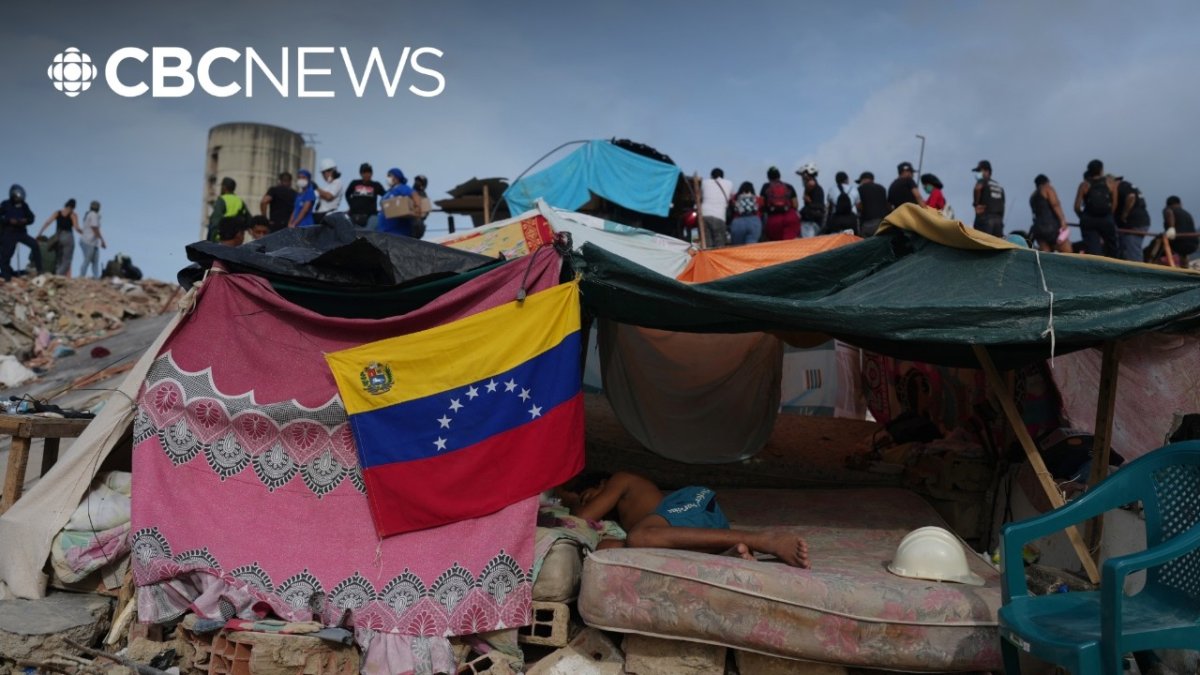
The Twin Earthquakes Strike
The first earthquake, measuring Mw 7.2, struck at 18:04 VET on June 24, 2026, with its epicentre in Veroes Municipality, Yaracuy state. Thirty-nine seconds later, the Mw 7.5 mainshock hit the same area, producing the strongest seismic event in Venezuela in over a century. The combined force damaged buildings across Caracas, Valencia, La Guaira, Yaracuy, Carabobo, and Aragua.
Rescue teams have begun winding down search operations this week as the window for finding survivors narrows. The state of emergency declared by Venezuelan authorities remains in effect across the six hardest-hit regions. Thousands of residents continue to search for missing family members while over 16,000 people have been left homeless.
Seismologists note that the 39-second interval between the two events left little time for residents to evacuate structures before the larger shock arrived. The epicentres in Veroes Municipality concentrated the greatest damage in Yaracuy state, though shaking was felt as far as the capital Caracas. This sequence ranks among the most powerful recorded in Venezuela since the early twentieth century.
The Scale of Destruction
Official figures released this weekend place the death toll at 2,954, with approximately 16,500 people injured. Thousands remain unaccounted for as recovery crews clear debris from collapsed buildings in Valencia and La Guaira. The IFRC emergency appeal targets assistance for 300,000 people whose homes and livelihoods were destroyed.
Caracas and the states of Carabobo and Aragua reported widespread structural failures in residential and commercial buildings. Hospitals in the affected zones face severe strain from the influx of injured patients while basic services such as water and electricity remain disrupted. The United Nations has stated that humanitarian needs are skyrocketing in the days following the disaster.
Over 16,000 individuals have registered as homeless and are now housed in temporary shelters organised by local authorities. The combination of the Mw 7.2 foreshock and the Mw 7.5 mainshock produced ground accelerations that exceeded design standards for many older structures in the region. Recovery officials expect the number of displaced people to rise as additional damage assessments are completed.
Canada's Humanitarian Response
Global Affairs Canada transferred $5 million on June 25, 2026, directly to the Venezuelan Red Cross and partner international relief organisations. The matching fund launched on June 30, 2026, allows Canadian donors to double their contributions to the same organisations. These funds support immediate distribution of medical supplies, shelter materials, and clean water in the six affected states.
Canadian officials have coordinated with the IFRC to ensure the $5 million reaches the 300,000 people identified in the emergency appeal. The federal government continues to track Canadian citizens who were in Caracas, Valencia, or Yaracuy at the time of the earthquakes. No additional federal funds have been announced beyond the initial allocation and the matching mechanism.
Parliament Hill has not yet scheduled a formal debate on further assistance, though opposition members have called for expanded support through the existing matching fund. Global Affairs Canada maintains daily contact with relief partners on the ground to verify that supplies reach the states of Yaracuy, Carabobo, and Aragua. The department has emphasised that all Canadian aid flows through established humanitarian channels rather than direct government-to-government transfers.
Impact on Venezuelan-Canadian Communities
Venezuelan-Canadians in Toronto and Montreal have organised community meetings this week to share information about relatives in the earthquake zone. Many families report lost contact with loved ones in Veroes Municipality and surrounding areas of Yaracuy state. Local organisations in both cities have begun collecting donations to supplement the federal matching fund.
The June 25 aid announcement from Global Affairs Canada provided some reassurance to these communities, though members continue to press for faster family reunification options. Montreal's Venezuelan diaspora has highlighted the need for temporary visitor visas for those with immediate family members confirmed injured or missing. Toronto community leaders have similarly urged the federal government to expedite processing for affected relatives.
These Canadian communities have also raised awareness about the 2,954 confirmed deaths and the 16,500 injured, using the figures released this weekend. Volunteers in both cities are coordinating with the Venezuelan Red Cross to relay messages between separated family members. The situation has underscored the personal connections many Canadians maintain with Venezuela despite the geographic distance.
International Relief Efforts
The IFRC emergency appeal seeks resources to assist 300,000 people across the six worst-affected regions. The United Nations has reported that requirements for food, medical care, and temporary shelter are increasing daily as more damage assessments reach Caracas. International teams continue to support local rescue personnel even as operations wind down.
Canada's $5 million contribution on June 25, 2026, forms part of a broader international effort coordinated through established humanitarian networks. The matching fund announced five days later provides an additional channel for private Canadian support to reach the same organisations. Relief supplies have begun arriving in La Guaira and Valencia, though distribution to rural parts of Yaracuy state remains challenging.
Global Affairs Canada has stated that all Canadian assistance will continue to flow through the Venezuelan Red Cross and recognised international partners. The federal government has not indicated plans to deploy Canadian personnel beyond existing diplomatic monitoring. Neighbouring countries have also provided assistance, though the scale of needs identified by the United Nations exceeds current pledges.
What Happens Next
Rescue operations are expected to conclude fully within the coming days as authorities shift focus to long-term recovery in the six affected states. The state of emergency remains active, allowing Venezuelan officials to direct resources toward rebuilding infrastructure in Caracas, Valencia, and Yaracuy. The death toll of 2,954 and injury count of approximately 16,500 will likely be revised as final counts are completed.
Global Affairs Canada will maintain its matching fund through the summer to encourage further private donations from Canadians. The department continues to advise any citizens still in the region to register with the embassy in Caracas. Venezuelan-Canadian organisations in Toronto and Montreal plan additional fundraising events to support the IFRC appeal.
Recovery officials anticipate that the number of homeless residents, currently over 16,000, will remain elevated for months as permanent housing is reconstructed. The United Nations has warned that needs will continue to rise without sustained international support. Canadian aid decisions in the coming weeks will depend on assessments from Global Affairs Canada and partner organisations on the ground.
By Alex Thompson, Staff Writer
This article was produced with AI-assisted research and editorial support. Reporting is based on sources cited in the article.
What's Your Reaction?
 Like
0
Like
0
 Dislike
0
Dislike
0
 Love
0
Love
0
 Funny
0
Funny
0
 Wow
0
Wow
0
 Sad
0
Sad
0
 Angry
0
Angry
0
Canada Correspondent at Global1.News. Based in Toronto, covering Canadian politics, energy, trade, and US-Canada relations. Provides the Canadian perspective on North American and global affairs.











Comments (0)