
Venezuela Earthquake: Families Plead for Aid as 2,300 Dead After Twin Quakes
The ground shook violently on June 24, 2026, when a magnitude 7.2 foreshock struck followed 39 seconds later by the main 7.5 shock. The epicenter lay in Veroes Municipality, Yaracuy, roughly 160 kilometers west of Caracas. This became Venezuela’s strongest earthquake since 1900, claiming more than 2,300 lives, leaving over 50,000 people missing, and injuring more than 10,000 ot
The ground shook violently on June 24, 2026, when a magnitude 7.2 foreshock struck followed 39 seconds later by the main 7.5 shock. The epicenter lay in Veroes Municipality, Yaracuy, roughly 160 kilometers west of Caracas. This became Venezuela’s strongest earthquake since 1900, claiming more than 2,300 lives, leaving over 50,000 people missing, and injuring more than 10,000 others.
Scenes of collapsed homes and frantic searches filled the streets of Caracas, La Guaira, Catia La Mar, and towns across Yaracuy. Aftershocks continue to rattle nerves while families wait for news of loved ones still trapped. The scale of destruction has overwhelmed local capacity and drawn help from around the world.
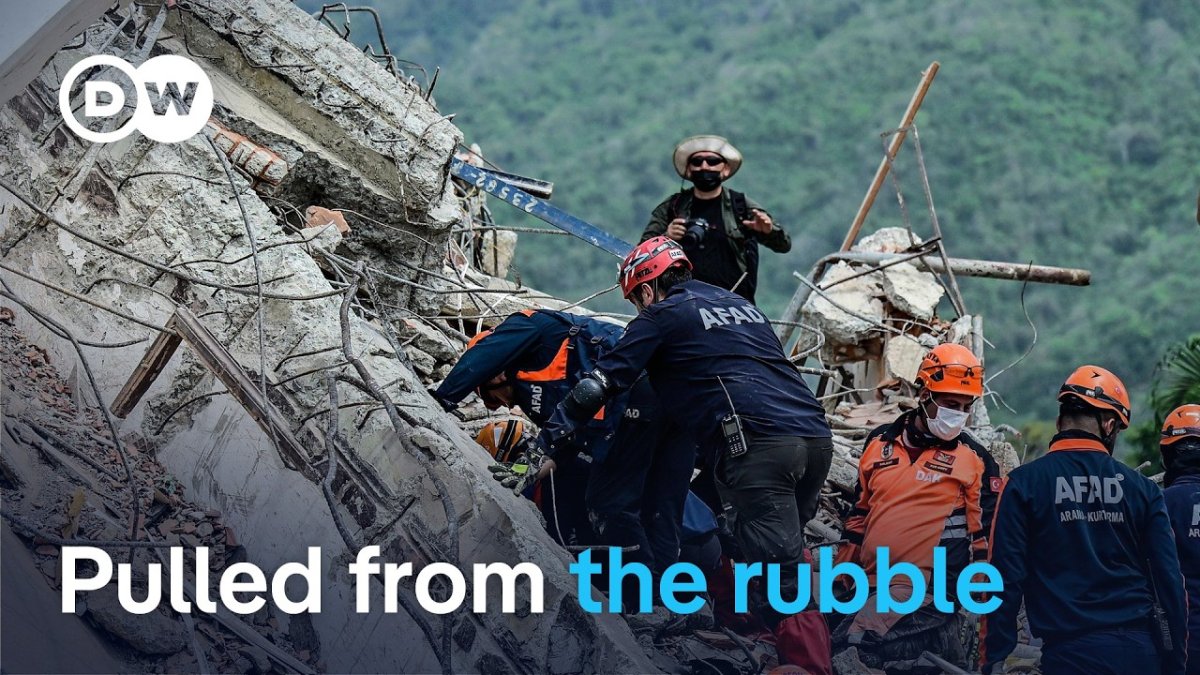
Families Plead for Aid as Rescue Window Closes
Mothers and fathers walk through piles of concrete calling names into the dust. In one Yaracuy neighborhood a woman named Elena has spent three days beside the remains of her apartment building, refusing to leave until rescuers reach the room where her two children were sleeping. Similar stories echo across affected blocks where heavy machinery has yet to arrive.
Neighbors have formed bucket brigades, passing debris hand to hand because no cranes can navigate the narrow side streets. These efforts have already freed several survivors days after the shaking stopped. Each small success brings hope, yet the window for finding people alive narrows with every passing hour.
UNICEF reports that 680,000 children now require humanitarian assistance. Many have lost homes, schools, and access to clean water. Volunteers set up temporary shelters in plazas and sports fields, trying to give families a place to rest while they keep searching.
Community kitchens appear wherever gas canisters still work. People share rice and beans while swapping information about missing relatives. The human spirit remains strong even as supplies run low and patience wears thin.
International Response Mobilizes 27 Countries
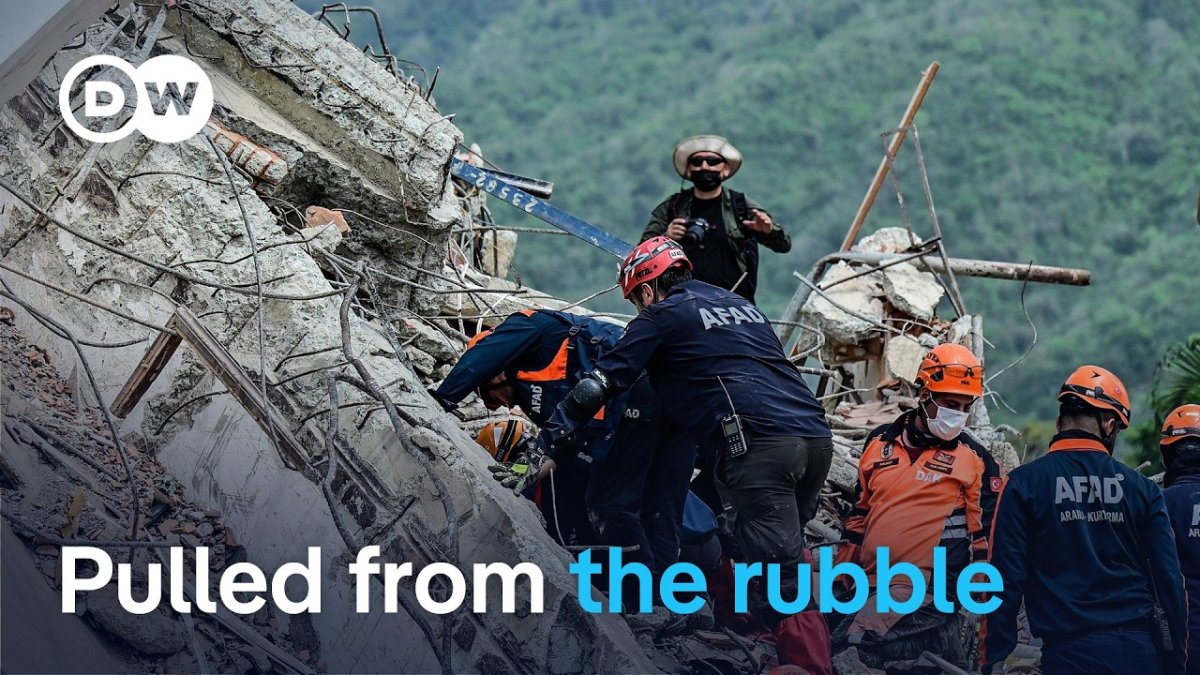
Forty-four urban search-and-rescue teams have arrived, bringing 2,245 specialists and 140 trained dogs from 27 nations. These teams work around the clock, listening for tapping sounds beneath the rubble. Their presence has already saved dozens of lives in the hardest-hit districts.
More than 2,000 U.S. troops landed to support logistics and medical care. Chinese President Xi Jinping pledged immediate aid including tents, water purifiers, and medical supplies. The United Nations is procuring 10,000 body bags as recovery operations expand.
Mexican volunteers bring hard-won experience from the 1985 and 2017 earthquakes. Members of SEDENA and the Guardia Nacional coordinate with local forces at the Palacio Nacional command center. They share techniques for stabilizing damaged structures and locating survivors in tight spaces.
IMSS-trained doctors set up triage points near collapsed hospitals. The combined effort shows how regional knowledge and global resources can work together when time is short.
Economic Devastation: Six Percent of GDP Wiped Out
Direct damage is estimated at 6.7 billion dollars, equal to six percent of Venezuela’s GDP. Ports in La Guaira lie in ruins, halting food and fuel imports that the country depends on. Trucks cannot reach warehouses, and store shelves are emptying fast.
Small maquiladoras in Yaracuy that employed hundreds of local workers stand destroyed. Family businesses built over generations disappeared in minutes. Owners sift through twisted metal hoping to salvage anything that might help them start again.
Indigenous farming communities in the hills lost irrigation systems and storage barns. Without these resources, the next harvest looks uncertain. Many families now rely on emergency rations delivered by international teams.
The long-term cost will stretch far beyond the initial figures. Rebuilding infrastructure and restoring trade routes will require sustained investment and careful planning.
Interim Government Under Fire Over Response
Interim President Delcy Rodriguez faces growing criticism for the slow arrival of heavy equipment in residential areas. Opposition leaders argue that military trucks bypassed narrow streets where families waited most desperately. Political divisions have complicated coordination at every level.
Healthcare facilities remain overwhelmed. Doctors treat fractures and lacerations in parking lots because operating rooms lie in rubble. Patients with chronic illnesses struggle to find medicine as supply chains break down.
Calls for unity grow louder each day. Community leaders urge all sides to set aside differences so aid can reach those still trapped and those who have lost everything. The focus remains on saving lives rather than settling scores.
Local officials work with arriving teams to map priority zones. Progress is visible in some districts, yet many residents feel the response has not matched the scale of need.
Aftershocks and a Fragile Public Health System
Aftershocks continue to shake already weakened buildings, forcing families to sleep in plazas and parks. Every tremor sends people running into open spaces, fearing another collapse. The constant uncertainty adds to the emotional toll.
Venezuela’s healthcare system, already strained, now faces an IMSS-style crisis of capacity. Field hospitals are needed to handle both quake injuries and routine care that has been interrupted. Chronic conditions such as diabetes and hypertension go untreated as clinics close.
Medical volunteers warn of rising infection risks in crowded shelters. Clean water remains scarce, and sanitation is difficult to maintain. Simple cuts can turn serious without proper supplies.
International health teams are working to set up mobile clinics and restock pharmacies. Their presence offers some relief, yet the system will need months to stabilize.
What to Watch For: Regional Solidarity and the Road to Recovery
Recovery will take years, not months. International funding must flow steadily to clear debris, rebuild homes, and restore basic services. Mexico’s experience after its own major quakes offers useful lessons in community-led reconstruction.
Rebuilding with stronger seismic standards is essential. Engineers are already advising on new construction codes that could protect lives in future events. The 50,000 people still missing remind everyone that the human cost remains the highest priority.
Regional partners are discussing long-term support for schools and hospitals. Coordinated efforts between governments and aid groups can speed the return to normal life. Solidarity across borders has already made a difference in the first weeks.
Attention now turns to the coming months when the initial surge of rescue teams begins to depart. Sustained commitment will determine how quickly Venezuela can heal.
The road ahead holds both hardship and hope. With continued international support and local determination, communities can rise from the rubble stronger than before. The coming weeks will test that resolve, yet the spirit shown in these first days suggests Venezuela will endure.
By Rosa Martinez, Staff WriterThis article was produced with AI-assisted research and editorial support. Reporting is based on sources cited in the article.
What's Your Reaction?
 Like
0
Like
0
 Dislike
0
Dislike
0
 Love
0
Love
0
 Funny
0
Funny
0
 Wow
0
Wow
0
 Sad
0
Sad
0
 Angry
0
Angry
0
Latin America/Andes Correspondent at Global1.News. Based in Bogota, covering politics, environment, energy, and social movements across the Andean region. Passionate about environmental journalism and communities protecting their land.









Comments (0)