
Gnaoua Festival 2026: Essaouira Welcomes 300,000 as African Roots Resonate Across 52 Concerts
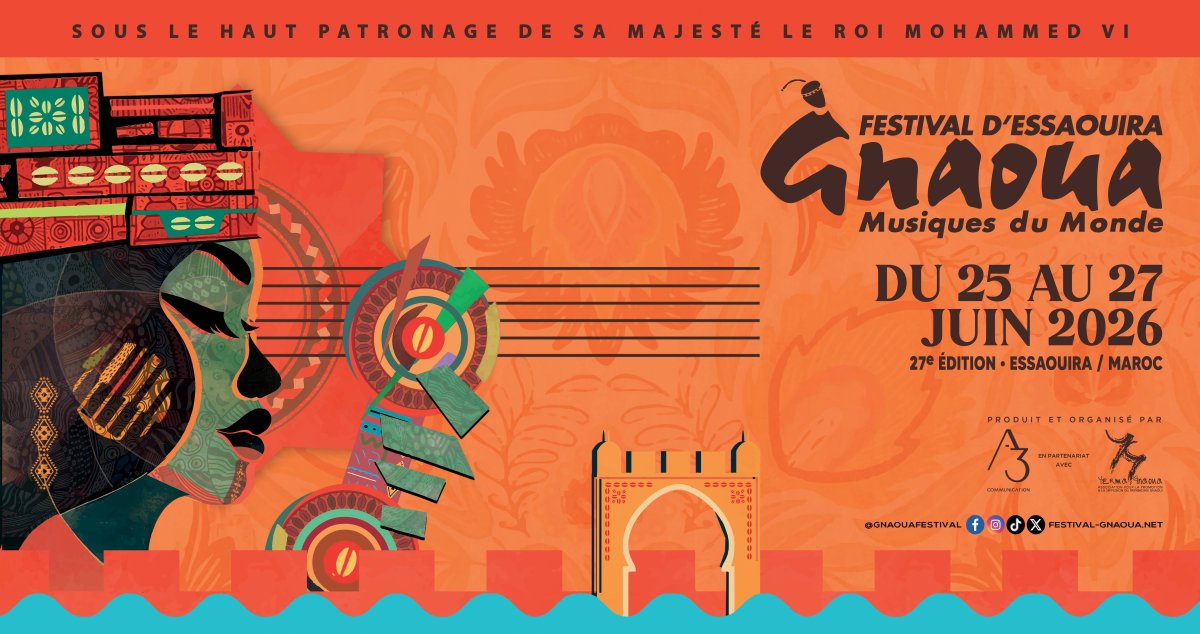
Essaouira, the wind-swept coastal city of Morocco, became the heartbeat of global rhythm and spiritual music as the 27th Gnaoua & World Music Festival drew a record crowd of over 300,000 people from June 25 to 27. The festival, which celebrates the ancient Gnaoua musical tradition rooted in sub-Saharan Africa, transformed the UNESCO-listed medina into a living stage where tradi
Essaouira, the wind-swept coastal city of Morocco, became the heartbeat of global rhythm and spiritual music as the 27th Gnaoua & World Music Festival drew a record crowd of over 300,000 people from June 25 to 27. The festival, which celebrates the ancient Gnaoua musical tradition rooted in sub-Saharan Africa, transformed the UNESCO-listed medina into a living stage where tradition met innovation across 52 concerts featuring 460 artists.
Gnaoua Festival 2026: Essaouira Welcomes 300,000 as African Roots Resonate Across 52 Concerts
Essaouira, Morocco — The 27th edition of the Gnaoua & World Music Festival has cemented its place as Africa's most significant cultural gathering, drawing a record-breaking crowd of over 300,000 festival-goers to this Atlantic coastal city. With 460 artists, 43 Gnaoua masters known as Maâlems, and a lineup that stretched from the streets of the medina to the main stage at Place Moulay Hassan, the festival demonstrated once again why Gnaoua music — a UNESCO Intangible Cultural Heritage — continues to resonate across continents and generations.
A Record-Breaking Edition: By the Numbers
The 27th Gnaoua & World Music Festival in Essaouira, Morocco from June 25 to 27, 2026 welcomed over 300,000 festival-goers, shattering previous attendance records for the event. Organizers reported a €2.8 million budget, according to RFI, which funded 52 concerts across free and ticketed events throughout the city.
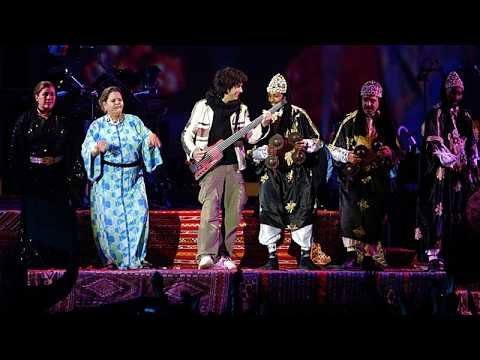
Four hundred sixty artists performed, including 43 Maâlems and Maâlemas who led traditional sets with the guembri three-string bass lute and qraqeb metal castanets. Three hundred international journalists covered the festival, highlighting its scale as it turned Essaouira's UNESCO-listed medina, narrow streets, and beaches into performance spaces.
The event featured both ticketed main-stage shows at Place Moulay Hassan and free street performances that allowed local residents to participate without barriers. This mix ensured broad access while maintaining the intimate feel of Gnaoua gatherings.
Essaouira's compact layout meant that festival-goers could move between venues on foot, experiencing everything from dawn sound checks to late-night sessions. The 300,000-plus crowd created a constant flow of energy through the medina's historic alleys.
Budget allocations covered artist travel, stage construction, and security for the multi-day event. The numbers reflect years of steady growth since Gnaoua music received UNESCO Intangible Cultural Heritage status in 2019.
Local vendors reported increased sales of traditional mint tea and grilled sardines as the crowds filled every corner of the coastal city. This economic boost extended to guesthouses and riads within the medina walls. The festival’s producer Neila Tazi emphasized during the accompanying Human Rights Forum that “Africa is part of the festival’s DNA,” reflecting how Gnaoua music’s sub-Saharan roots in Mali, Senegal, and Guinea continue to anchor the event’s identity even as it draws global participation.
Opening Night: Rwanda Meets the Guembri
Maâlem Mehdi Nassouli led the opening creation, bringing together Moroccan Gnaoua rhythms with new international partners on the main stage. The first-time participation of Rwanda stood out as the Iwacu i Buhoro troupe performed the Intore dance, recognized as UNESCO Intangible Heritage.
The fusion blended Gnaoua trance elements with Rwandan drumming and subtle Indian melodic influences during collaborative pieces. Nassouli's guembri anchored the set while Rwandan dancers moved in formation across the stage at Place Moulay Hassan.
Gnaoua music traces its roots to sub-Saharan Africa, particularly Mali, Senegal, and Guinea, where it blended with Moroccan Sufi Islam over centuries. The Rwandan presence underscored these shared origins and created visible connections among African nations.
Performers incorporated lila all-night healing ceremony structures into the shortened opening program, allowing audiences to glimpse the spiritual depth of the tradition. The symbolic meeting of East and West African expressions drew sustained applause from the opening-night crowd.
Maâlem Abdelkebir Merchane also performed during the early sets, reinforcing the generational transmission of Gnaoua knowledge. His presence alongside the Rwandan artists highlighted the festival's role in linking distant African communities.
The evening closed with a collective jam that carried late into the night along the medina walls. This opening signaled the festival's commitment to expanding its African partnerships beyond North Africa.
Carlinhos Brown and Hamid El Kasri: A Closing to Remember
The closing performance brought Brazilian superstar Carlinhos Brown together with Moroccan Gnaoua master Maâlem Hamid El Kasri for an Afro-Brazilian fusion set. Samba percussion met Gnaoua trance rhythms in extended improvisations that filled the main stage area.
The collaboration exemplified the festival's mission of cross-cultural dialogue through shared African diaspora rhythms. Brown incorporated qraqeb patterns into his drum arrangements while El Kasri adapted his guembri lines to Brazilian grooves.
Additional artists including Asmaa Lmnawar, Richard Bona, Yasmine Hamdan, Hoba Hoba Spirit, Hind Ennaira, Bob Maghrib, and Sara Moullablad joined segments of the finale. Their combined presence created a multi-generational and multinational finale that lasted past midnight.
The emotional energy of the crowd peaked during call-and-response sections that invited everyone to clap along. Festival-goers from Senegal and beyond recognized familiar rhythmic foundations rooted in their own musical heritages.
El Kasri's mastery of the lila ceremony style guided the set toward spiritual intensity without losing the celebratory mood. Brown's stage presence added theatrical flair that kept the large audience engaged throughout the two-hour performance.
The closing reinforced Essaouira’s position as a meeting point for African and Atlantic musical traditions, where the shared heritage of the diaspora finds expression through collaboration. Attendees left the medina carrying the blended sounds into the early morning hours, a testament to the unifying power of rhythm and melody that transcends borders and languages.
The Berklee at Gnaoua Program: Educating a New Generation
The Berklee at Gnaoua educational initiative brought musicians from 20 countries to Essaouira for workshops and performances during the festival. Participants joined daily jam sessions at the former Danish Consulate venue, exchanging techniques on both traditional and modern instruments.
These sessions allowed emerging artists to study the guembri and qraqeb directly with established Maâlems. The program emphasizes hands-on learning that preserves the oral transmission central to Gnaoua practice.
An academic dimension runs through the Chaire des Transitions partnership with UM6P university, which hosted panel discussions on cultural preservation. Scholars examined how Gnaoua music can evolve while honoring its healing and spiritual functions.
Musicians from Senegal noted parallels between Gnaoua rhythms and local griot traditions during the workshops. This cross-pollination strengthened ties between North and West African musical communities.
The initiative ensures that younger players understand the lila ceremony context behind the concert repertoire. Participants returned to their home countries with new compositions that carry Gnaoua elements forward.
Evening jam sessions at the former Danish Consulate often spilled into the surrounding medina streets, drawing spontaneous audiences. The informal setting mirrored the communal spirit of traditional Gnaoua gatherings.
Beyond Music: The Human Rights Forum and Cultural Dialogue
The parallel 13th Human Rights Forum carried the theme "Youth of the World: Freedom, Identity, Future" and ran alongside the musical program. Discussions explored how cultural events can support youth expression across Africa and beyond.
Speakers included festival producer Neila Tazi, philosopher Souleymane Bachir Diagne, politician Najat Vallaud-Belkacem, and writer Leïla Slimani. Their conversations linked artistic freedom with broader questions of identity and opportunity.
Neila Tazi stated that "Africa is part of the festival's DNA," emphasizing the event's commitment to continental connections. The forum provided a platform for social reflection that complements the artistic celebration.
Young attendees from Morocco and neighboring countries participated in open sessions that addressed migration, digital expression, and cultural heritage. The discussions drew directly from the diverse audience already present for the concerts.
The forum's location within the medina kept it accessible to both festival-goers and local residents. This integration reinforced the festival's role as more than entertainment.
Panelists highlighted how Gnaoua music itself carries histories of resilience and spiritual resistance. These themes resonated with the forum's focus on youth navigating contemporary challenges.
What to Watch For
The 2027 edition has been announced for June 24 to 26, giving organizers and artists a full year to build on this year's success. Early indications suggest the event may again break attendance records as global interest grows.
Gnaoua music has gained wider recognition since its 2019 UNESCO Intangible Cultural Heritage inscription, attracting new listeners from Europe, the Americas, and Asia. This visibility supports expanded programming each year.
Rising female Maâlemas are transforming the traditionally male-dominated practice, bringing fresh perspectives to both lila ceremonies and festival stages. Their increasing presence signals an important evolution within the tradition.
Essaouira has become a permanent global crossroads for world music, with the medina serving as a year-round hub for rehearsals and smaller gatherings. The festival amplifies this status during its three days.
Next year's lineup is expected to feature even more artists from Senegal and other West African nations, deepening the sub-Saharan connections already evident in 2026. Free events across the city will continue to welcome broad participation.
The combination of record crowds, educational programs, and human rights dialogue positions the Gnaoua & World Music Festival as a model for culturally rooted international gatherings. Essaouira's Atlantic winds will carry these rhythms forward into future editions.
By Amara Diop, Staff WriterThis article was produced with AI-assisted research and editorial support. Reporting is based on sources cited in the article.
What's Your Reaction?
 Like
0
Like
0
 Dislike
0
Dislike
0
 Love
0
Love
0
 Funny
0
Funny
0
 Wow
0
Wow
0
 Sad
0
Sad
0
 Angry
0
Angry
0

West Africa/Sahel Correspondent at Global1.News. Dakar-based journalist covering politics, security, climate, and development across Francophone and Anglophone West Africa. Tells the stories of a region undergoing profound transformation.












Comments (0)