
Venezuela Earthquake: 920 Dead as UK Aid Arrives
The images emerging from Venezuela’s northern coast have prompted swift statements from the UK Foreign, Commonwealth and Development Office, underscoring Britain’s longstanding interest in regional stability and humanitarian response. With 920 confirmed dead and more than 3,000 injured following the double earthquake of 26 June 2026, the disaster has drawn immediate comparisons
The images emerging from Venezuela’s northern coast have prompted swift statements from the UK Foreign, Commonwealth and Development Office, underscoring Britain’s longstanding interest in regional stability and humanitarian response. With 920 confirmed dead and more than 3,000 injured following the double earthquake of 26 June 2026, the disaster has drawn immediate comparisons to previous crises that have tested international aid mechanisms.
Channel 4 News footage shows rescue teams combing through collapsed structures while survivors remain paralysed by fear. The UK’s diplomatic engagement reflects broader concerns about how such events can accelerate migration flows towards Europe, including established Venezuelan communities in London and Manchester.
Interim President Delcy Rodríguez’s pledge to save “as many people as possible” has been noted in Whitehall briefings, yet questions persist about coordination with arriving foreign teams. The death toll, which almost doubled from the initial 164 reports, highlights the rapid deterioration of conditions along the coast.
Venezuela Earthquake: Death Toll Climbs to 920 as International Rescue Teams Arrive
Caracas, Venezuela – 27 June 2026 —
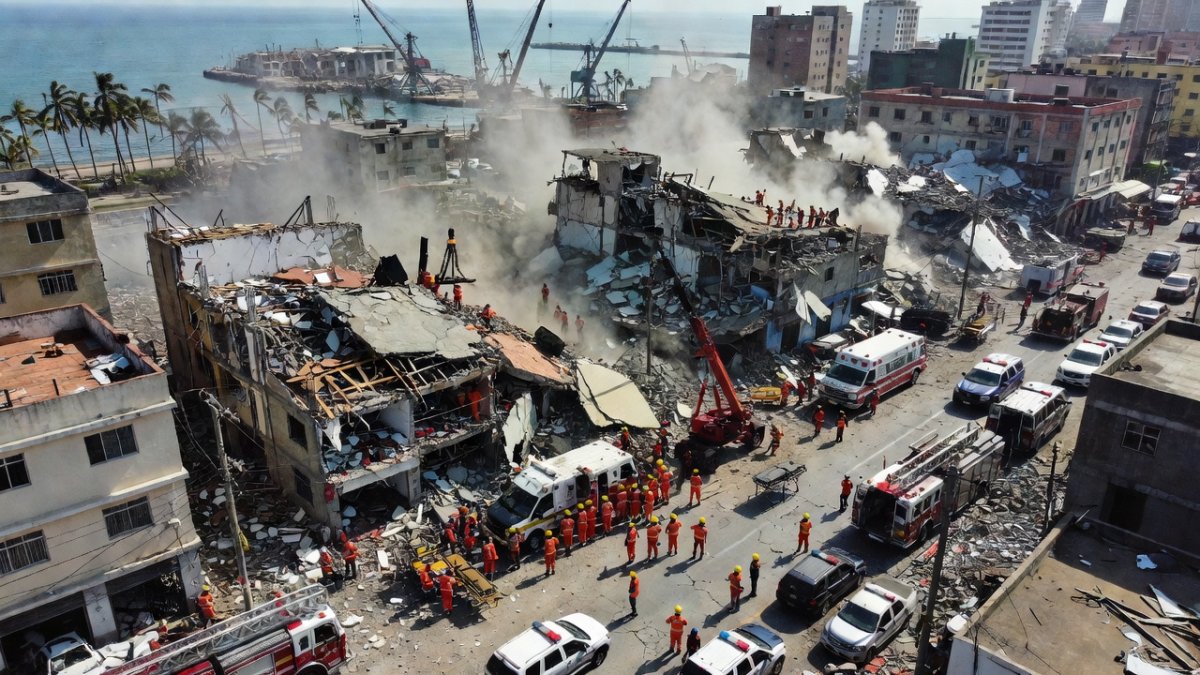
The Scale of the Disaster
Precise figures released on 26 June confirm 920 fatalities and over 3,000 injuries across multiple coastal states. The double earthquake struck in quick succession, amplifying structural failures in older districts where building codes have long been poorly enforced.
Seismologists have described the event as the most powerful to hit Venezuela in over a century, surpassing previous tremors in both magnitude and geographic spread. Northern coastal communities bore the brunt, with entire neighbourhoods reduced to rubble within minutes.
Regional breakdowns indicate that Caracas experienced significant secondary effects, prompting residents to flee into the streets as aftershocks continued. Official tallies remain provisional, with rescue teams still uncovering victims beneath pancaked buildings.
Statistics from the Venezuelan authorities show that the majority of casualties occurred in structures constructed before modern seismic standards were introduced, a pattern repeated across the affected coastline.
The Human Toll
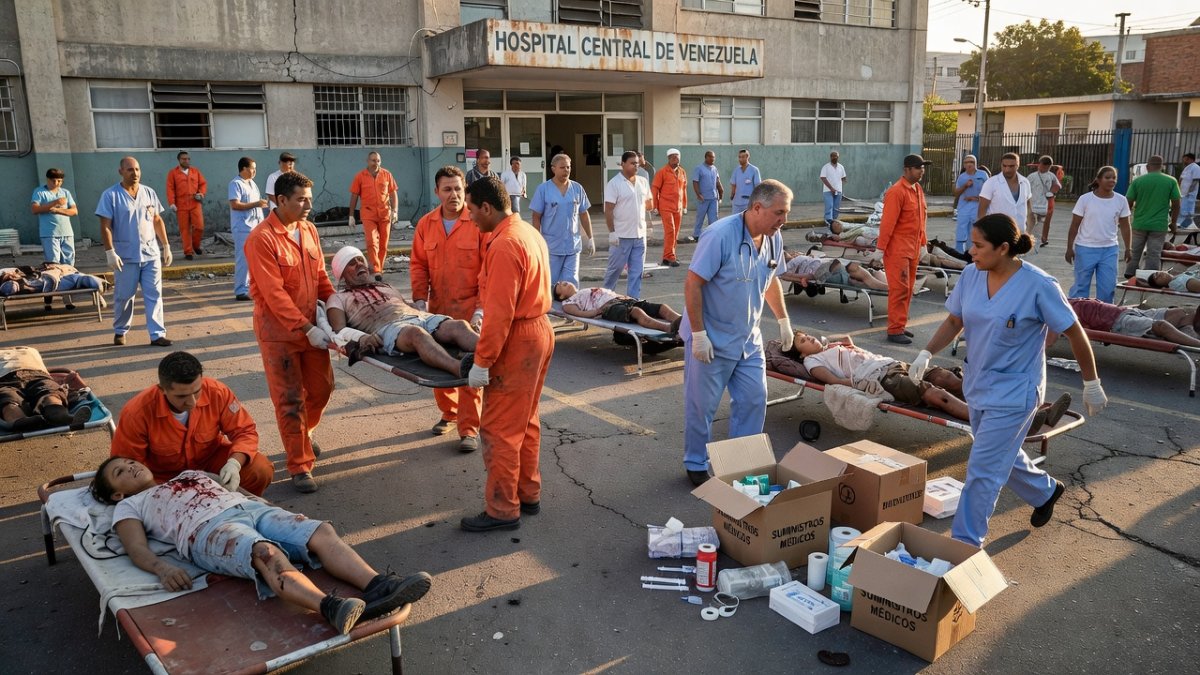
Hospitals across the northern states are overwhelmed, reporting acute shortages of medicines, blood supplies and surgical equipment. Medical staff describe scenes of patients lying in corridors while rescue workers deliver new casualties every few minutes.
Survivors interviewed in the immediate aftermath spoke of buildings collapsing without warning, leaving families trapped under concrete slabs. The psychological impact is profound, with many residents too fearful to return indoors even as aftershocks subside.
Rescue operations continue around the clock, with international teams joining local firefighters in systematic searches of collapsed apartment blocks. The focus remains on locating any remaining survivors before nightfall temperatures drop further.
Charities operating in Caracas have warned that the injured count of more than 3,000 is likely an underestimate, as many people with minor wounds have avoided formal medical facilities amid widespread disruption to transport networks.
International Response
Foreign rescue teams began arriving within hours of the first reports, bringing specialist equipment and search dogs to areas where local capacity had been quickly exhausted. The UK Foreign, Commonwealth and Development Office has confirmed it is monitoring developments and stands ready to support coordinated European efforts.
Logistical support from European partners has focused on clearing access roads and establishing field hospitals near the hardest-hit coastal towns. Venezuelan officials have publicly welcomed the assistance while stressing that sovereignty over operations remains paramount.
Historical precedents show that UK involvement in Latin American disaster response has often included technical expertise in structural engineering assessments. Current briefings in London indicate similar offers are under active consideration.
Coordination meetings between arriving teams and Venezuelan civil defence authorities are taking place daily, with priority given to areas where the double earthquake caused the most concentrated destruction.
Political Fallout
Interim President Delcy Rodríguez has faced mounting criticism over the perceived sluggishness of the initial government response. Opposition figures argue that earlier investment in emergency preparedness could have reduced the final death toll of 920.
Public frustration has been voiced openly in Caracas, where residents gathered in open spaces long after the shaking stopped. The rapid rise in reported fatalities from 164 to 920 has intensified scrutiny of official communication channels.
Analysts note that the disaster arrives at a delicate moment for Venezuela’s interim administration, which must balance domestic demands with the arrival of foreign personnel on its territory. Statements from the presidential palace have emphasised unity, yet underlying political tensions remain visible.
Regional governors along the northern coast have called for greater transparency in the distribution of incoming aid, warning that any perception of favouritism could further erode public trust in the coming weeks.
Infrastructure and Vulnerability
Older buildings and substandard construction practices significantly increased the vulnerability of coastal communities. Many structures dating from earlier decades lacked the reinforcement required to withstand the forces generated by the double earthquake.
The geography of Venezuela’s northern coast, characterised by soft soils and proximity to active fault lines, contributed to the widespread damage observed. Engineers have already begun mapping zones where liquefaction amplified building collapses.
Historical records indicate that previous seismic events prompted limited regulatory reform, leaving large sections of the housing stock exposed. The current disaster has renewed calls for a comprehensive national retrofitting programme.
Independent assessments suggest that investment in modern building codes could have prevented a substantial proportion of the 920 deaths, highlighting the long-term consequences of deferred infrastructure spending.
What This Means for Venezuela and the Region
The earthquake is expected to place additional pressure on Venezuela’s already strained migration dynamics, with displaced families potentially seeking routes towards neighbouring countries and ultimately Europe. UK border agencies have been briefed on possible secondary movements.
Regional stability could be affected if reconstruction efforts falter or if political disputes over aid allocation intensify. Neighbouring states have offered limited support but remain cautious about deeper involvement.
Economic analysts warn that the destruction of coastal infrastructure will further complicate Venezuela’s recovery trajectory, with immediate impacts on fishing communities and port operations that serve the wider Caribbean.
Longer-term forecasts suggest that without sustained international engagement, the combination of seismic damage and existing humanitarian challenges may drive renewed outflows towards established diaspora centres in Britain and Spain.
The Bottom Line — What Comes Next
Rescue operations are expected to continue for several more days, after which attention will shift towards temporary shelter and medical stabilisation for the thousands affected. The UK Foreign, Commonwealth and Development Office has indicated it will review requests for further assistance once initial assessments are complete.
Reconstruction planning will require difficult decisions about building standards and land use along the vulnerable northern coastline. International partners are likely to condition any major funding on verifiable improvements in governance and transparency.
Public health officials are preparing for secondary risks, including disease outbreaks in crowded displacement sites where water and sanitation systems have been compromised. Vaccination campaigns and sanitation supplies are already being prioritised.
The coming weeks will test whether Venezuela’s interim leadership can convert the outpouring of international sympathy into a coordinated recovery programme capable of addressing both immediate needs and deeper structural vulnerabilities exposed by the 26 June disaster.
By Erica Thornton, Staff Writer
This article was produced with AI-assisted research and editorial support. Reporting is based on sources cited in the article.
What's Your Reaction?
 Like
0
Like
0
 Dislike
0
Dislike
0
 Love
0
Love
0
 Funny
0
Funny
0
 Wow
0
Wow
0
 Sad
0
Sad
0
 Angry
0
Angry
0

US Politics and Policy Correspondent at Global1.News. Based in Washington DC, covering American politics, policy, elections, and the courts. Knows how the system works and tells you what it actually means.










Comments (0)