
USMCA Non-Renewal Shakes Mexico Trade on July 1 2026
**Keywords:** USMCA, Mexico trade, Marcelo Ebrard, Jamieson Greer, Claudia Sheinbaum, USMCA review, July 1 2026, North American trade, rules of origin, economic security The July 1 Announcement from Washington Jamieson Greer, the U.S. Trade Representative, delivered the news on July 1 after a virtual meeting with Mexican Economy Minister Marcelo Ebrard and Canadian Trade Minist

The July 1 Announcement from Washington
Jamieson Greer, the U.S. Trade Representative, delivered the news on July 1 after a virtual meeting with Mexican Economy Minister Marcelo Ebrard and Canadian Trade Minister Dominic LeBlanc. The USMCA requires the Free Trade Commission to conduct a joint review on that exact date, and Greer stated the agreement is not renewed in its current form. This decision keeps the pact in force while issues are resolved or until termination occurs.
The legal framework of the USMCA allows for this outcome without immediate withdrawal by any party. Greer emphasized that talks would continue, focusing on North American priorities. Mexico and Canada had both requested a 16-year extension to 2042 in early June, yet the U.S. position shifted the timeline.
Communities across Mexico now watch how this announcement affects daily trade flows. The agreement remains operational, meaning goods continue moving under existing rules. Families in border regions feel the uncertainty most directly as they rely on steady cross-border commerce.
Annual reviews will replace the longer extension, creating a new rhythm of negotiations. This structure gives Mexico repeated opportunities to address concerns year by year. The U.S. side highlighted economic security measures to prevent other countries from benefiting from USMCA access.
Marcelo Ebrard's Measured Response
Marcelo Ebrard addressed the nation in a video message on July 1, stressing that no country has signaled intent to withdraw from the pact. He reassured viewers that the agreement continues working as before, with no immediate modifications expected. Ebrard noted that most Mexico-U.S. trade already follows USMCA terms that stay in force.
The minister explained that annual reviews will serve as the new mechanism to reduce unresolved issues gradually. Mexico aims to resolve matters step by step rather than face sudden changes. This approach protects the stability that businesses and workers have built over years.
Ebrard pointed out the agreement is scheduled to continue until 2036 under the current terms. He emphasized that nothing will shift in the coming days or months. Families in Mexico City and beyond can count on continuity in the near term.
His tone remained calm and community-oriented, focusing on the pact's ongoing benefits. Ebrard highlighted how the USMCA supports jobs and supply chains across the country. This message reached households worried about potential disruptions to their livelihoods.
Economic Stakes for Mexico
Mexico's $197 billion trade surplus with the United States in 2025 stands at the center of discussions. President Claudia Sheinbaum committed last year to work toward reducing this imbalance through dialogue. The near-shoring trend that brought factories to Mexico continues despite the review process.
Supply chains linking Mexican producers to U.S. markets face new scrutiny during upcoming talks. The Secretaria de Economia is preparing detailed positions to defend Mexican interests. Officials focus on maintaining access while addressing U.S. concerns about rules of origin.
Businesses in manufacturing hubs depend on predictable trade rules to plan investments. The $197 billion figure reflects years of integration between the two economies. Any shifts must balance growth with fairness for both sides.
Communities benefit when trade remains steady, supporting schools, roads, and local services. Sheinbaum's government prioritizes protecting these gains during negotiations. Annual reviews offer chances to refine the agreement without halting progress.
Mexican Workers and Communities in the Balance
Maquiladora workers in Ciudad Juarez and Tijuana rely on USMCA provisions for steady employment in assembly plants. These jobs connect directly to U.S. demand for electronics and automotive parts. Families there plan household budgets around predictable factory shifts and overtime.
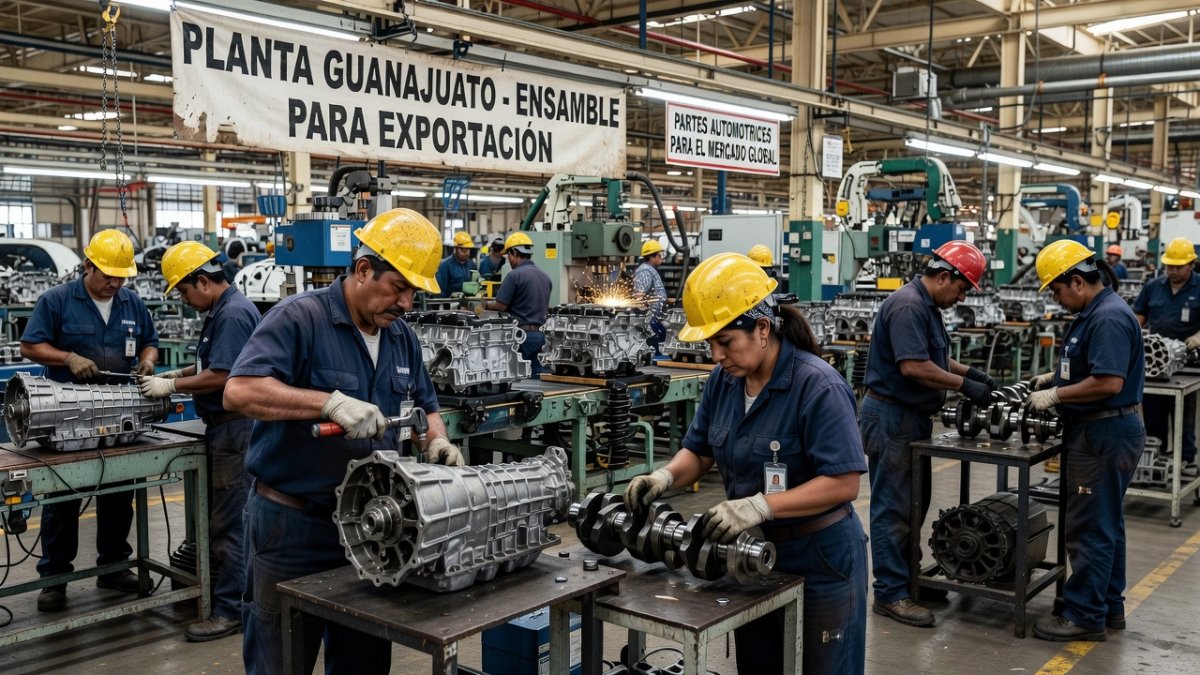
Auto workers in Guanajuato and Aguascalientes build vehicles that cross the border daily under the agreement. Their communities have grown with new housing and schools funded by these industries. Changes to rules of origin could affect production lines and paychecks.
Farmers in Sinaloa and Michoacan export fresh produce that reaches American tables thanks to USMCA access. Small business owners in colonias across Mexico sell goods tied to larger supply chains. Migrant families often send remittances earned in these sectors.
Household incomes in these regions depend on the agreement staying functional during reviews. Workers discuss how annual talks might bring adjustments without sudden job losses. Community leaders encourage families to stay informed as negotiations unfold.
The July 20 Bilateral Talks
The third round of bilateral negotiations begins the week of July 20 in Mexico City. U.S. and Mexican teams will focus on strengthening rules of origin for autos and other industrial goods. Economic security measures also top the agenda to safeguard North American benefits.
Mexican negotiators plan to prioritize protections for existing supply chains that employ thousands. They will advocate for gradual improvements rather than abrupt revisions. The talks build on earlier virtual exchanges between Greer, Ebrard, and LeBlanc.
Officials from both countries recognize the need to keep trade flowing smoothly. Mexico City serves as the symbolic heart of these discussions, drawing on the capital's diplomatic experience. Outcomes will influence factories from the border to central Mexico.
Preparation includes input from industry groups and state governments. The goal remains reducing friction while honoring the $197 billion trade relationship. Families across Mexico hope these sessions produce clarity for the months ahead.
Political Landscape Under Sheinbaum
President Claudia Sheinbaum leads a Morena-led government that views the USMCA as vital for national development. Congressional leaders express interest in monitoring the annual review process closely. The agreement is known locally as T-MEC, reflecting its importance in Mexican daily life.
The legacy of former President Andrés Manuel López Obrador includes the original negotiation of the pact. Sheinbaum builds on that foundation by emphasizing cooperation over confrontation. Mexico positions itself as a reliable partner in North American trade.
International standing matters as Mexico engages with both the United States and Canada. Officials highlight shared goals of economic security and fair rules. This approach resonates with communities that value stability and opportunity.
Political discussions often turn to how annual reviews can strengthen the agreement over time. Sheinbaum's team stresses transparency so citizens understand potential impacts. The focus stays on protecting Mexican workers and industries through 2036.
Looking Ahead: Annual Reviews and 2036
Annual reviews will examine specific chapters of the USMCA each year, allowing targeted updates. The first cycle is expected to begin soon after the July 20 talks conclude. These sessions give Mexico repeated chances to address concerns before the 2036 expiration.
Ordinary families should watch for announcements about rules of origin changes that could affect auto and manufacturing jobs. Updates on economic security measures will also matter for supply chain security. Communities in Sinaloa, Michoacan, and border states have the most at stake.
The timeline stretches from 2026 through 2036, creating a decade of structured dialogue. Each review builds on the last, aiming to resolve issues progressively. This steady process replaces the earlier 16-year extension plan.
Workers and business owners can prepare by staying connected to updates from the Secretaria de Economia. The agreement continues providing the framework for trade that supports households nationwide. Mexico remains committed to making the reviews work for its people.
Tags: USMCA, Mexico Economy, Trade Negotiations, July 1 Review, Sheinbaum Government
By Rosa Martinez, Staff Writer
This article was produced with AI-assisted research and editorial support. Reporting is based on sources cited in the article.
What's Your Reaction?
 Like
0
Like
0
 Dislike
0
Dislike
0
 Love
0
Love
0
 Funny
0
Funny
0
 Wow
0
Wow
0
 Sad
0
Sad
0
 Angry
0
Angry
0

Latin America/Andes Correspondent at Global1.News. Based in Bogota, covering politics, environment, energy, and social movements across the Andean region. Passionate about environmental journalism and communities protecting their land.














Comments (0)