
How Extreme Heat Overwhelms the Human Body — A Latin American Health Crisis
Al Jazeera English’s July 1, 2026 video “How does extreme heat affect the human body?” by reporter Everton Fox delivers a stark warning: climate change is making extreme heat more frequent, intense and lethal. The segment details how the human body’s cooling systems collapse under rising temperatures and humidity, a crisis now unfolding across Latin America. Extreme Heat Overwh
Al Jazeera English’s July 1, 2026 video “How does extreme heat affect the human body?” by reporter Everton Fox delivers a stark warning: climate change is making extreme heat more frequent, intense and lethal. The segment details how the human body’s cooling systems collapse under rising temperatures and humidity, a crisis now unfolding across Latin America.
Extreme Heat Overwhelms Human Physiology and Latin American Cities
Brasília, Brazil – July 1, 2026 — As global temperatures climb, the human body faces a physiological breaking point that climate scientists have long predicted. The Al Jazeera English video released today by Everton Fox explains how core temperature regulation fails when heat and humidity combine, turning routine days into life-threatening events. Latin America is experiencing this reality in real time, with record heatwaves striking multiple countries simultaneously.
[ ]
]
How Heat Kills — The Physiology of Overheating
The human body maintains a core temperature near 37°C through the hypothalamus, which orchestrates cooling via radiation, convection, conduction and evaporation through sweat. When ambient temperatures rise and humidity blocks evaporation, the wet-bulb threshold of approximately 35°C marks the point where cooling becomes impossible. Heat exhaustion appears first with heavy sweating, pale clammy skin, weakness, dizziness, nausea, headache and muscle cramps; immediate treatment requires shade, cool compresses and hydration. Heat stroke follows when core temperature exceeds 40°C, producing altered mental status, hot dry skin and rapid heartbeat. Without aggressive cooling, mortality reaches 50-80 percent. Organ damage cascades rapidly: rhabdomyolysis releases myoglobin that poisons kidneys, triggering acute kidney injury, cerebral edema, encephalopathy, cardiac arrhythmias, liver failure, ARDS and disseminated intravascular coagulation. Gut barrier breakdown allows endotoxins to enter circulation, producing “thermal sepsis” and systemic inflammation. These mechanisms explain why even brief exposure can prove fatal in vulnerable populations.
Mexico's Heat Crisis — 30 Deaths and Counting
Mexico recorded 30 confirmed heatstroke deaths between June and July 2026 according to Secretaría de Salud data, alongside roughly 920 heat-related medical cases. Temperatures ranged from 35-45°C with heat indices surpassing 50°C across northern states including Baja California, Sonora, Chihuahua, Coahuila, Nuevo León and Tamaulipas, plus eastern states Veracruz, Tabasco, Campeche, Yucatán and Quintana Roo. Servicio Meteorológico Nacional issued repeated alerts while monitoring stations tracked sustained dangerous conditions. The elderly living alone, children left in vehicles and outdoor workers bore the brunt. Critics argue that Mexican authorities continue treating heat as a seasonal contingency rather than a structural public health emergency requiring year-round infrastructure investment. Hospitals in affected regions reported surges in dehydration and cardiovascular complications directly linked to prolonged exposure. Without expanded cooling centers and worker protections, the death toll is expected to climb further as the season progresses.
South America's Historic Heatwaves
February 2026 brought unprecedented temperatures across the continent. Paraguay registered 41.7°C in Asunción, shattering previous records, while the airport station hit 41.0°C. Bolivia recorded 41.1°C in Puerto Suárez, also a new benchmark. Climate trackers described both events as historic, noting that such extremes now occur with greater frequency and intensity. These readings occurred amid broader regional warming trends that have intensified since 2010. Agricultural workers and urban residents without air conditioning faced prolonged exposure, leading to increased hospital admissions for heat-related illness. The events underscored how even traditionally temperate zones are crossing dangerous thresholds. Regional meteorological services coordinated warnings, yet many communities lacked resources for effective response. The pattern aligns with global projections that heatwaves will become both more severe and more common throughout South America in coming decades.
Brazil's Silent Emergency — Rio's Overwhelmed Hospitals
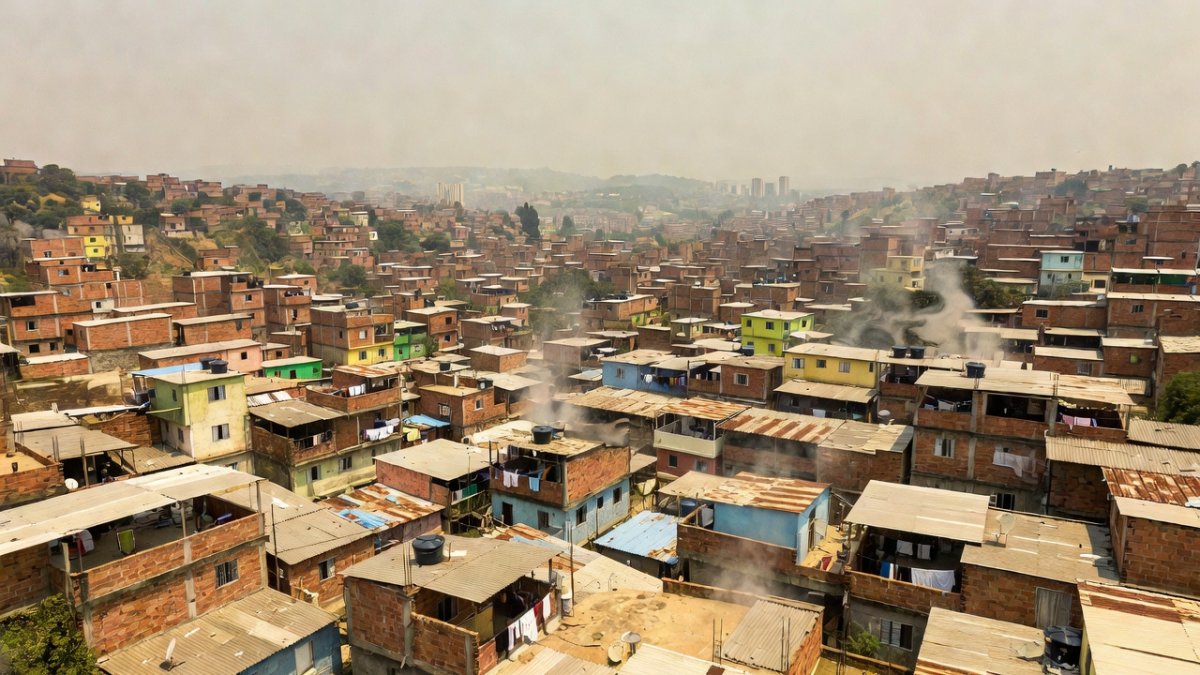
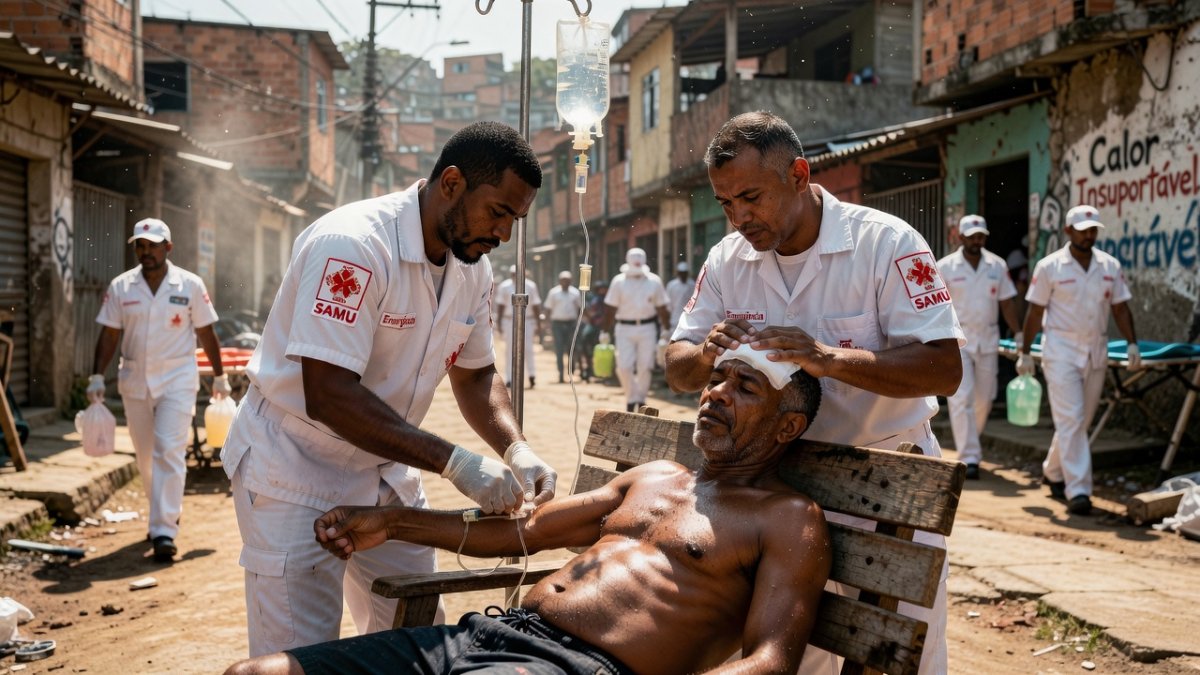
Rio de Janeiro endured 41°C temperatures in January 2026 accompanied by even higher thermal sensation values. INMET issued a great danger alert covering four states. Between January 11 and 13 alone, emergency units recorded 1,500-1,600 medical attendances for heat-related illness. UPAs across the metropolitan area became overwhelmed as patients arrived with dehydration, heat exhaustion and worsening chronic conditions. Favela residents suffered most severely due to frequent power outages, absence of shade and poor ventilation in densely packed housing. Activist Renata Souza described the disparity as environmental racism, noting that low-income communities lack both infrastructure and political priority. The Lancet has highlighted São Paulo’s citizen heat-health monitoring project as a potential model, yet scaling such efforts nationwide remains slow. Without targeted interventions, Brazil’s urban poor will continue bearing disproportionate mortality during future heat events.
Argentina — When the Grid Fails
Buenos Aires experienced temperatures near 40°C in December 2025, triggering a major blackout when air-conditioning demand exceeded grid capacity by approximately 3,000 MW. In Neuquén, Patagonia recorded its longest heatwave with more than ten consecutive days above critical thresholds in early 2026. Regional heatwaves have quintupled in frequency over recent decades according to OFIMET monitoring. The blackout left thousands without power during peak heat, forcing residents to seek refuge in public spaces or endure dangerous indoor conditions. Hospitals operated on generators while emergency services handled rising cases of heat stroke and cardiovascular distress. The events revealed systemic vulnerabilities in energy infrastructure designed for cooler historical climates. As heatwaves intensify, similar grid failures threaten other Argentine cities lacking sufficient generation and distribution capacity.
Urban Heat Islands — Latin America's Inequality Amplifier
Concrete and asphalt absorb solar radiation during the day and release it at night, elevating urban temperatures several degrees above surrounding rural areas. In Latin American cities, low-income neighborhoods experience the worst impacts because they contain the highest concentrations of informal settlements with metal roofs, minimal vegetation and extreme population density. Air conditioning remains a luxury; most residents rely on fans that provide limited relief during humid nights. Power grids frequently collapse under peak demand, leaving entire districts without cooling precisely when it is most needed. These urban heat islands amplify existing inequalities, turning climate change into a daily survival challenge for millions. Without deliberate redesign of cityscapes, the health burden will continue falling heaviest on those least able to adapt.
[ ]
]
What This Means for Latin America — Adaptation Lessons
Nature-based solutions offer proven pathways forward. Medellín’s green corridors, featuring 880,000 trees and 2.5 million shrubs planted along roads and waterways, lowered city temperatures by roughly 2°C at a cost of approximately $6.50 per resident. The project stands as a scalable model for other Latin American cities. Additional strategies include cool roofs, reflective surfaces, passive cooling techniques such as whitewashing and nighttime ventilation, plus robust early warning systems and heat action plans. Worker protections for outdoor laborers are essential given rising exposure risks. The World Health Organization estimates heatwaves contribute to roughly 500,000 deaths annually worldwide; Europe alone recorded more than 1,000 excess deaths in France during June 2026. Latin American governments must move beyond emergency response toward permanent infrastructure and policy changes that prioritize the most vulnerable populations.
The Bottom Line — A Public Health Revolution
Extreme heat is no longer a distant threat but a present public health emergency reshaping daily life across Latin America. From Mexico’s northern deserts to Argentina’s Patagonian cities, the physiological limits of the human body are being tested at unprecedented scale. The data from 2025 and 2026 demonstrate that current approaches are insufficient. Successful adaptation requires integrating urban greening, grid modernization, targeted protections for informal settlements and sustained investment in early warning systems. Without these measures, mortality and morbidity will continue climbing. The region possesses both the knowledge and examples, such as Medellín, to lead globally. What remains is the political will to treat extreme heat as the structural crisis it has become.
By Elena Vasquez, Staff Writer
This article was produced with AI-assisted research and editorial support. Reporting is based on sources cited in the article.
What's Your Reaction?
 Like
0
Like
0
 Dislike
0
Dislike
0
 Love
0
Love
0
 Funny
0
Funny
0
 Wow
0
Wow
0
 Sad
0
Sad
0
 Angry
0
Angry
0

Latin America Correspondent at Global1.News. Based in Mexico City, covering politics, economics, energy, and culture across the region. Brings an on-the-ground perspective to stories spanning from the Rio Grande to Patagonia.














Comments (0)