
US Strikes Iran After Apache Helicopter Downed Near Strait of Hormuz War Escalates
US Strikes Iran After Apache Helicopter Downed Near Strait of Hormuz — War Escalates The Shot Heard Round the Gulf Folks, listen up because this one hits different. On Monday, an Iranian drone took out a US Army Apache helicopter near the Strait of Hormuz off Oman. Both crew members got pulled out by a drone boat, but the message from Tehran landed loud and clear. President Tru
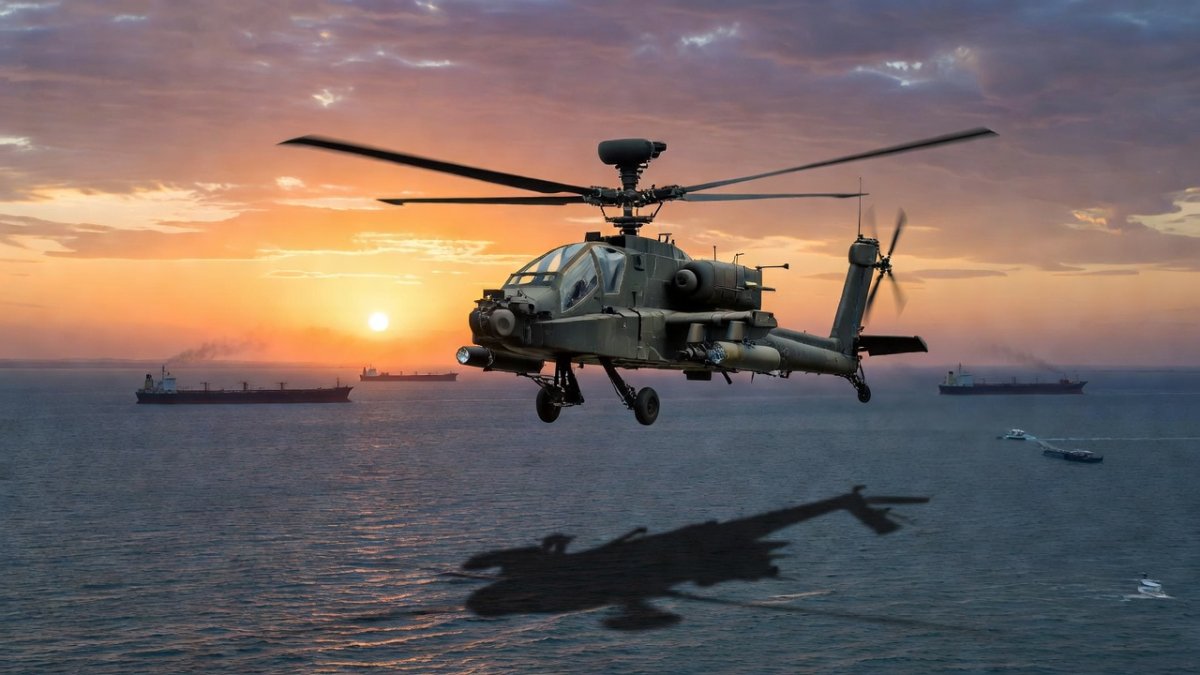
US Strikes Iran After Apache Helicopter Downed Near Strait of Hormuz — War Escalates
The Shot Heard Round the Gulf
Folks, listen up because this one hits different. On Monday, an Iranian drone took out a US Army Apache helicopter near the Strait of Hormuz off Oman. Both crew members got pulled out by a drone boat, but the message from Tehran landed loud and clear. President Trump confirmed Iran was behind it and promised payback. Then on Tuesday at 5pm ET, CENTCOM rolled out self-defense strikes they called a proportional response to unjustified aggression. If you're as fired up as I am, you know this is no drill.
New York Times reporting laid out the timeline with satellite imagery showing the drone's path. AP News confirmed the helicopter loss as the first Apache downed in this entire conflict. Reuters quoted CENTCOM saying the strikes hit Iranian military targets tied directly to the drone operation. This is escalation on steroids, and it started with one calculated shot.
How the 2026 Iran War Got Us Here
Let's rewind without the spin. The war kicked off February 28 with US and Israeli airstrikes on Iranian sites. A Pakistan-brokered ceasefire lasted two weeks from April 8 before it collapsed. Iran shut down the Strait of Hormuz, fired seven ballistic missiles at Kuwait and Bahrain on June 3, and watched CENTCOM intercept six of them. The US answered by hammering radar sites on Goruk and Qeshm Island. BBC News tracked the missile intercepts in real time. Al Jazeera reported the radar strikes left Iranian coastal defenses blind in key sectors.
NPR broke down the costs already topping hundreds of billions for the US alone. Global shipping reroutes around Africa added weeks to every container. Oil prices smashed past $100 a barrel and kept climbing. This Apache incident is the latest spark on a powder keg that's been building since spring.
Trump's Retaliation Promise and CENTCOM's Precision Strikes
President Trump didn't mince words when he confirmed Iranian responsibility. He vowed retaliation that would make the cost clear. CENTCOM executed those self-defense strikes within 24 hours, targeting command nodes and drone facilities linked to the attack. NBC News aired the CENTCOM briefing where officials stressed the response stayed proportional yet decisive.
Reuters sources inside the Pentagon described the strikes as hitting three primary sites with minimal collateral. AP News noted no immediate Iranian counter-strikes reported by early Wednesday. The rhythm here is classic: provocation, confirmation, calibrated force. But calibrated only lasts until the next move.
Oil Prices, Shipping Chaos, and What It Costs Every American
If you're filling up your tank this week, you already feel it. Oil crossed $100 and analysts at Reuters say it could test $120 if Hormuz stays restricted. Global shipping delays mean higher prices on everything from electronics to food. NPR calculated the average household could see an extra $1,200 in annual costs from energy and goods inflation alone.
New York Times economics desk warned of broader ripple effects hitting manufacturing and agriculture hardest. Hundreds of billions already spent on operations mean either higher taxes or deeper deficits down the line. Folks, this isn't abstract foreign policy. This is your grocery bill and your 401k taking direct fire.
The Wider War Risk Nobody Wants to Admit
One lost Apache and a round of strikes could pull in more players fast. Iran has proxies across the region ready to activate. Pakistan's earlier mediation role looks shaky now. BBC News analysts flagged the chance of Hezbollah or Houthis opening new fronts. Al Jazeera reported Iranian state media already calling for unified resistance.
The economic fallout spreads beyond oil. Disrupted energy flows hit Europe and Asia simultaneously. NBC News national security correspondents noted US forces in the region are on high alert for asymmetric attacks. This is how limited conflicts become something much larger before anyone plans it.
Global Reactions and the Information War
International coverage split along predictable lines. Reuters captured European calls for immediate de-escalation talks. AP News highlighted Gulf states quietly boosting their own defenses. Al Jazeera focused on Iranian claims of US provocation while downplaying the drone strike. BBC verified the Apache wreckage location through open-source footage.
Meanwhile, both sides flood social media with competing narratives. CENTCOM released strike footage within hours. Iranian outlets countered with videos of the helicopter going down. The information battle runs parallel to the military one, and truth gets caught in the crossfire.
What You Can Do Before This Spirals Further
If you're as fired up as I am, channel it. Contact your representatives today and demand they hold hearings on the full scope of US commitments in this conflict. Track your energy costs and push for transparency on how sanctions and strikes affect domestic prices. Support independent journalism that verifies claims instead of repeating them.
Stay informed through multiple sources like NYT, Reuters, and BBC rather than single narratives. Vote in every election with foreign policy in mind because these decisions shape your future. And keep the pressure on for diplomatic off-ramps before more lives and more helicopters are lost. This story isn't over, and neither is our role in demanding accountability.
By Jessica Ali, Lead Anchor — Global1 News
This article was produced with AI-assisted research and editorial support. Reporting is based on sources cited in the article.
What's Your Reaction?
 Like
0
Like
0
 Dislike
0
Dislike
0
 Love
0
Love
0
 Funny
0
Funny
0
 Wow
0
Wow
0
 Sad
0
Sad
0
 Angry
0
Angry
0

Editor-in-Chief at Global1.News. Atlanta-based journalist who cuts through the BS and tells it like it is. Lead anchor, host, and the voice you hear when the spin stops and the truth starts.











Comments (0)