
Dominion vs. Fox News: The $787.5 Million Reckoning That Never Reached a Verdict
Dominion vs. Fox News: The $787.5 Million Reckoning That Never Reached a Verdict Folks, the media world got a wake-up call it could not ignore when Dominion Voting Systems and Fox News hammered out their deal on April 18, 2023. What started as a $1.6 billion defamation fight ended with the largest media settlement in U.S. history before a single witness took the stand. The case
The Settlement That Shook Media
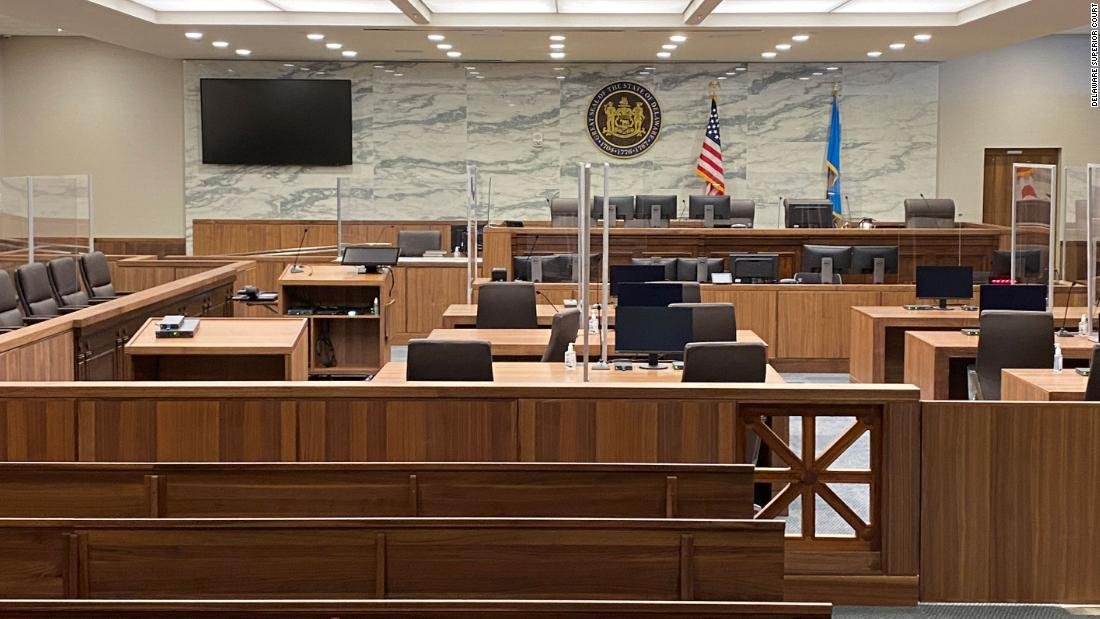
Jury selection wrapped up on April 17, 2023, in Wilmington, Delaware, after 300 potential jurors were summoned to Courtroom 7E. The judge confirmed enough citizens remained to seat a panel, setting the stage for opening statements the next morning. Instead, the parties announced a $787.5 million agreement that morning, halting the trial before it began in earnest.
The sum represented the largest defamation settlement ever paid by a media company in the United States. Fox News avoided a public verdict, yet the payment itself became the verdict in the eyes of many observers. The network transferred the funds without admitting liability, but the sheer size signaled how seriously its legal team viewed the evidence already in the record.
Delaware Superior Court records show the case had been barreling toward trial for months. Pretrial motions had already narrowed Fox’s defenses, and the judge had grown visibly impatient with repeated attempts to relitigate settled points. The settlement arrived at the precise moment when the network’s exposure could no longer be managed through delay tactics.
Media analysts immediately compared the payment to earlier industry payouts, noting that previous defamation resolutions rarely exceeded nine figures. The Dominion figure reset expectations for what plaintiffs could demand when internal communications contradicted on-air claims. Corporate boards across the industry took note of the precedent.
How Dominion Built Its Case
Dominion Voting Systems filed its complaint seeking $1.6 billion, alleging Fox News knowingly broadcast false claims that the company’s machines rigged the 2020 presidential election. Under the actual malice standard established for public-figure plaintiffs, Dominion had to show Fox either knew the statements were false or acted with reckless disregard for the truth.
Discovery produced thousands of internal emails, text messages, and deposition transcripts that Dominion argued met that threshold. Executives and hosts privately questioned the fraud allegations even as the network continued to air them. Dominion’s legal team methodically mapped those contradictions onto specific broadcasts, building a timeline that linked private skepticism to public repetition.
The company also documented financial harm, citing lost contracts and reputational damage traceable to the coverage. Dominion presented evidence that election officials and customers cited the Fox broadcasts when terminating relationships. That economic trail strengthened the causation element required in defamation actions.
Legal scholars noted that the volume and specificity of the discovery materials distinguished this case from many prior media disputes. Rather than relying solely on the broadcasts themselves, Dominion could point to contemporaneous internal doubts expressed by the very people shaping the coverage.
The Figures Who Were to Testify
Rupert Murdoch, Fox Corporation’s chairman, faced the prospect of explaining his oversight of the network’s post-election programming. Depositions already showed he had received briefings about the lack of evidence for widespread fraud, yet the network’s prime-time lineup continued to feature guests promoting those claims.
Suzanne Scott, then chief executive of Fox News, was expected to address editorial decisions made in the weeks after the election. Internal records indicated she participated in discussions about audience reaction to fraud narratives and the risk of losing viewers to competitors that embraced those claims more aggressively.
Tucker Carlson and Sean Hannity, two of the network’s highest-profile hosts, had their private text messages and emails entered into the record. Those communications revealed moments when both men expressed disbelief in the fraud allegations while continuing to platform guests who advanced them. Their expected testimony would have required reconciling those private views with the content that reached millions of viewers nightly.
Other on-air personalities and producers were also listed as potential witnesses. The cumulative effect would have placed the network’s top decision-makers under oath in open court, an outcome the company ultimately chose to avoid through settlement.
What Discovery Revealed
Internal Fox communications showed a consistent gap between what executives and hosts said privately and what the network broadcast. Messages obtained during discovery indicated that several prominent figures viewed the fraud claims as lacking factual support, yet the programming continued to amplify them to retain audience share.
One thread of messages captured hosts and producers acknowledging that certain guests lacked credibility while still booking them for segments. Dominion’s attorneys used these exchanges to argue that Fox knowingly elevated unreliable sources to maintain ratings momentum after the election.
The discovery materials also documented concerns about advertiser pullback and affiliate relations if the network abruptly reversed course on the fraud narrative. Those business considerations appeared alongside editorial discussions, illustrating how commercial pressures intersected with content choices.
Legal experts observed that the sheer volume of contradictory internal records made it difficult for Fox to maintain that it had merely reported on newsworthy allegations without endorsing them. The evidence suggested active promotion rather than neutral relay of third-party claims.
Why Fox Settled at the Last Moment
Pre-trial rulings had already limited Fox’s ability to argue that its coverage constituted protected opinion or fair reporting. The judge’s impatience with repetitive motions signaled that further delays would not be tolerated, raising the likelihood that the case would reach a jury within days.
Fox’s legal team faced the prospect of live testimony from its own executives and hosts under cross-examination. The risk that internal messages would be read aloud in open court, combined with the potential for a multibillion-dollar verdict, shifted the cost-benefit calculation toward settlement.
The timing—hours before opening statements—allowed Fox to avoid a public trial while still resolving the matter before evidence was presented to jurors. The $787.5 million figure reflected both the strength of Dominion’s evidence and the network’s assessment of its exposure.
Corporate governance observers noted that such last-minute resolutions often occur when boards conclude that continued litigation threatens broader reputational and financial harm beyond the immediate case. Fox’s decision aligned with that pattern.
What the Settlement Means for Media Accountability
The $787.5 million payment established a new benchmark for defamation damages in the United States. Future plaintiffs alleging that media outlets knowingly spread false election-related claims now have a concrete reference point for settlement negotiations.
The case also underscored the power of internal discovery in defamation litigation. When private communications contradict public reporting, plaintiffs gain leverage that can force resolutions even before trial. Other news organizations have since reviewed their own editorial processes in light of that precedent.
Media law practitioners expect increased scrutiny of post-election coverage across the industry. Outlets that once treated fraud allegations as routine partisan disputes now weigh the litigation risk more carefully, particularly when internal doubts exist about the underlying facts.
Broadly, the settlement reinforced that large media companies remain subject to the same legal standards as any other defendant when they publish false statements with actual malice. The size of the payment served as a reminder that scale does not confer immunity from accountability.
The No Spin Zone That Never Opened
The courtroom test that Fox avoided would have required the network to defend its post-election coverage under oath and on the record. Instead, the settlement closed the case without that public examination, leaving unanswered questions about how the network’s editorial decisions were made.
Journalism ethics discussions since the settlement have focused on the tension between audience retention and factual accuracy. The Dominion evidence illustrated how commercial incentives can influence coverage choices even when internal actors recognize the weakness of certain claims.
The absence of a verdict means no judicial finding of liability exists, yet the payment itself functions as a de facto acknowledgment of risk. Future coverage of contested election claims will likely carry greater internal vetting precisely because of the financial consequences demonstrated here.
Ultimately, the Dominion case showed that even the most powerful media entities can face meaningful consequences when private doubts collide with public broadcasts. The $787.5 million reckoning arrived without a verdict, but its impact on journalistic standards and corporate risk assessment will be felt for years.
By Jessica Ali, Staff WriterThis article was produced with AI-assisted research and editorial support. Reporting is based on sources cited in the article.
What's Your Reaction?
 Like
0
Like
0
 Dislike
0
Dislike
0
 Love
0
Love
0
 Funny
0
Funny
0
 Wow
0
Wow
0
 Sad
0
Sad
0
 Angry
0
Angry
0

Editor-in-Chief at Global1.News. Atlanta-based journalist who cuts through the BS and tells it like it is. Lead anchor, host, and the voice you hear when the spin stops and the truth starts.















Comments (0)