
US Military Strikes Iranian Targets Near Strait of Hormuz: Regional Analysis
**Meta Description:** US military strikes hit Iranian targets near the Strait of Hormuz after continued aggression. Analysis covers Gulf security, 20% global oil transit, Iran's nuclear program, and regional stability implications. **Keywords:** Strait of Hormuz, US Iran strikes, Abbas Araghchi, Gulf security, oil shipping, Iranian nuclear program, IRGC, energy markets, US-Iran
Strait of Hormuz: A Strategic Chokepoint Under Fire
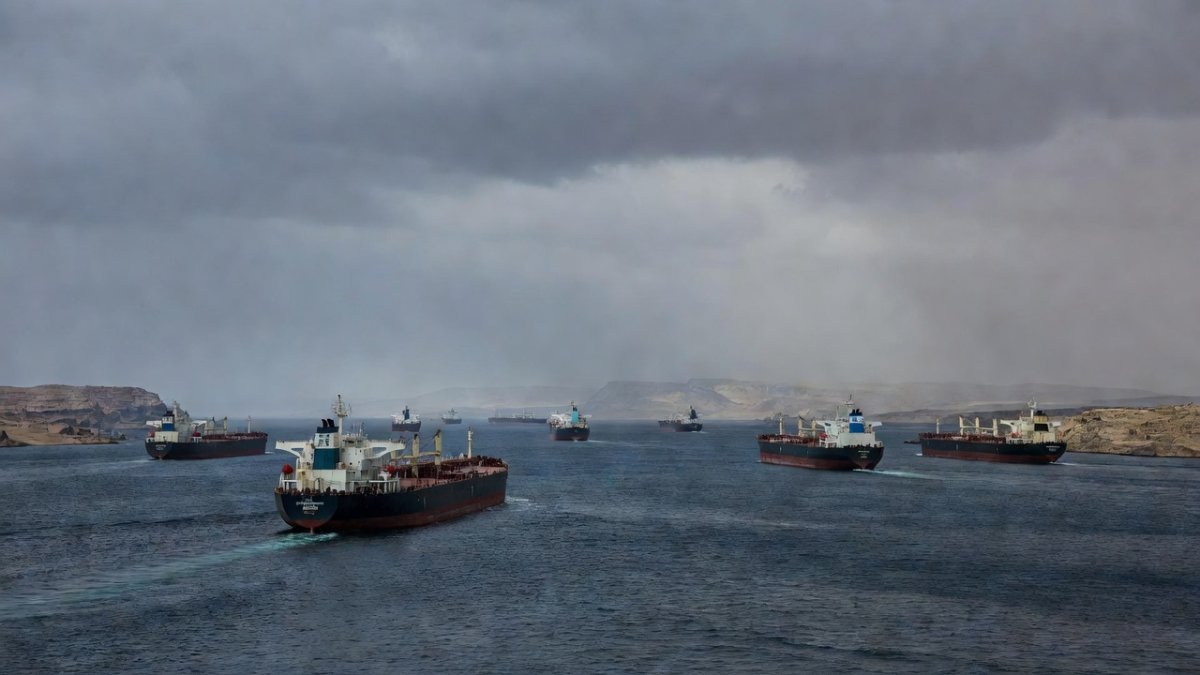
The Strait of Hormuz remains the world's most critical maritime chokepoint, with approximately 20 percent of global oil supply transiting its narrow waters daily. Recent US military strikes targeted Iranian military positions at multiple sites in and near the strait, directly responding to what Washington described as continued Iranian aggression.
These locations include coastal batteries and naval facilities along Iran's southern coastline. The strikes underscore how any disruption here immediately affects energy flows to Asia and Europe.
The US Military Response: Scope and Scale
Footage released by the US military shows precision strikes on Iranian military targets at several locations. The operation focused on assets linked to the Islamic Revolutionary Guard Corps Navy, which has long maintained anti-access capabilities in the strait.
US Central Command coordinated the response without involving regional bases in direct combat roles. The action signals Washington's willingness to use force to keep the waterway open rather than relying solely on diplomatic channels.
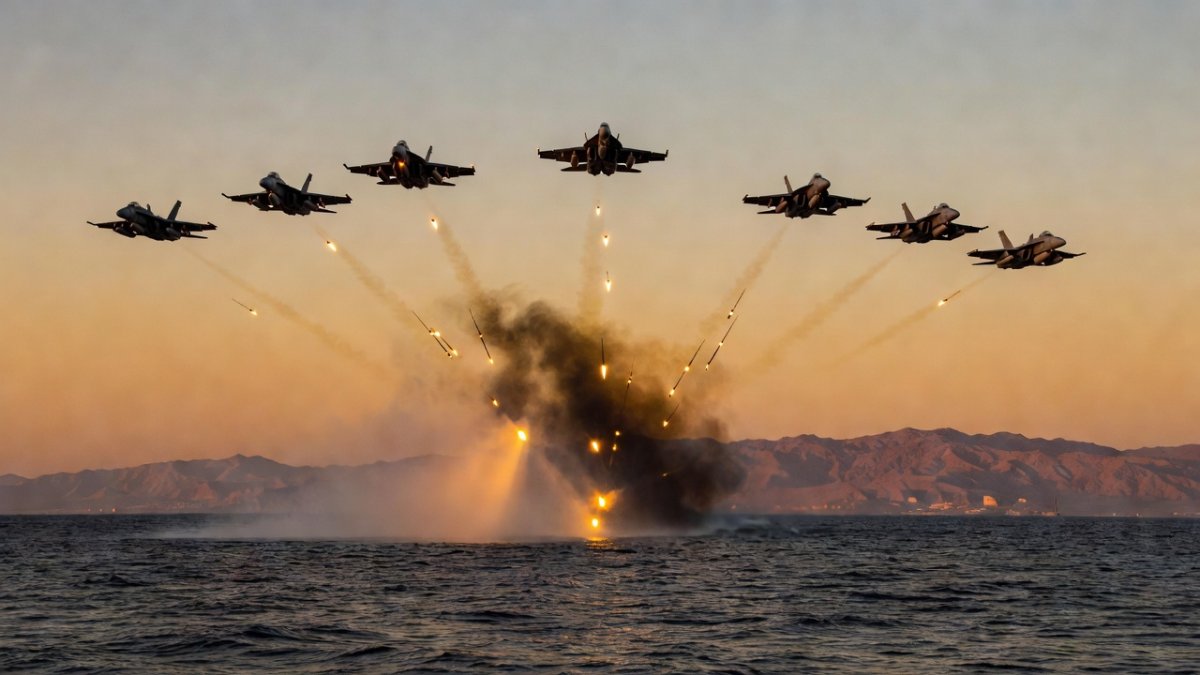
Analysts note the strikes avoided civilian infrastructure and oil terminals, limiting immediate economic spillover while sending a clear deterrent message to Tehran.
Iran's Calculus: From Araghchi to the IRGC
Iran's Foreign Minister Abbas Araghchi stated that the responsibility to restore maritime traffic to pre-war levels in the Strait of Hormuz lies solely with Tehran. This position reflects Iran's long-standing claim that it alone controls access through its territorial waters.
The IRGC, however, maintains operational control over strait defenses. Its strategy centers on asymmetric capabilities such as mines, fast-attack boats, and coastal missiles to impose costs on any adversary attempting to force passage.
Tehran's leadership must weigh the risk of further escalation against the domestic political value of projecting strength amid economic sanctions.
Gulf Arab States Caught in the Crossfire
Saudi Arabia, the United Arab Emirates, and other Gulf Cooperation Council members face direct exposure. Any closure or prolonged disruption of the strait threatens their primary revenue source and the security of desalination plants along the coast.
These states have quietly expanded defense cooperation with the United States while pursuing limited diplomatic openings with Iran. The strikes reinforce their dependence on external security guarantees even as they diversify economies under Vision 2030-style programs.
Energy Markets and Global Implications
Oil prices reacted sharply to news of the strikes, with Brent crude rising on fears of supply interruptions. Markets remain sensitive because alternative routes for Gulf crude are limited and costly.
Asian importers, particularly China, India, and Japan, hold the largest stakes in stable Hormuz transit. Any sustained tension risks accelerating their shift toward longer-term supply diversification away from the Gulf.
Strategic Calculus: What Each Side Wants
The United States seeks to reestablish deterrence without triggering a wider conflict that could draw in additional actors. Iran aims to demonstrate that it can impose costs while avoiding measures that would unify Gulf states against it.
Gulf Arab governments want assured freedom of navigation and protection of critical infrastructure without being forced into open confrontation with Tehran. Each actor calculates that limited escalation may achieve its immediate goals while preserving room for future de-escalation.
Regional Implications
The strikes occur against the backdrop of stalled nuclear negotiations and ongoing proxy confrontations across the Middle East. Further US-Iran friction could accelerate Arab-Israeli security coordination and deepen Gulf states' reliance on external naval presence.
At the same time, Iran's ability to restore traffic through the strait gives it a potential off-ramp if leadership chooses to prioritize economic relief over continued confrontation. The coming weeks will test whether both sides can contain the crisis or whether Hormuz becomes the center of a broader regional confrontation.
By Malik Hassan, Staff Writer
This article was produced with AI-assisted research and editorial support. Reporting is based on sources cited in the article.
What's Your Reaction?
 Like
0
Like
0
 Dislike
0
Dislike
0
 Love
0
Love
0
 Funny
0
Funny
0
 Wow
0
Wow
0
 Sad
0
Sad
0
 Angry
0
Angry
0

Middle East Correspondent at Global1.News. Based in Beirut, covering politics, conflict, energy, and society across the Middle East. Brings context and depth to a region often reduced to headlines.













Comments (0)