
US-Iran Doha Talks Yield $3 Billion Asset Deal Amid Hormuz Transit Dispute
In a recent i24NEWS English report, correspondents described the arrival of senior US officials in Doha for indirect technical discussions with Iranian representatives, mediated by Qatar and Pakistan on July 1, 2026. US-Iran Doha Talks Produce $3 Billion Asset Deal While Hormuz Transit Dispute Continues Jerusalem, Israel — On July 1, 2026, the United States and Iran conducted i
In a recent i24NEWS English report, correspondents described the arrival of senior US officials in Doha for indirect technical discussions with Iranian representatives, mediated by Qatar and Pakistan on July 1, 2026.
US-Iran Doha Talks Produce $3 Billion Asset Deal While Hormuz Transit Dispute Continues
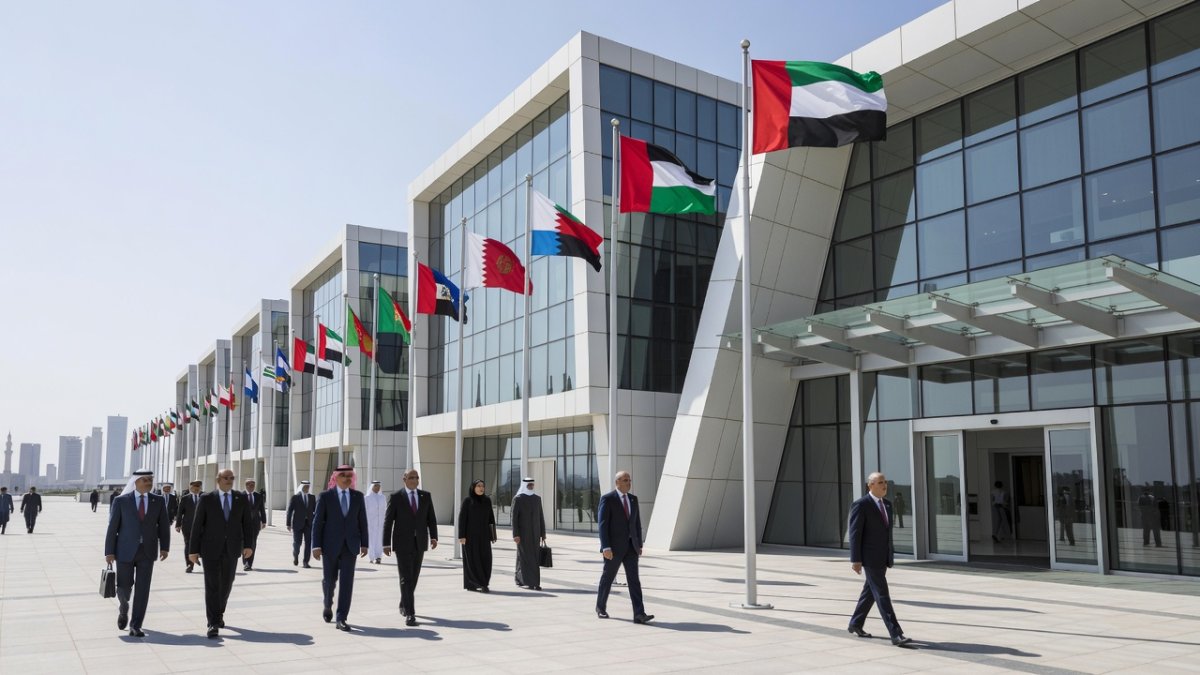
Jerusalem, Israel — On July 1, 2026, the United States and Iran conducted indirect technical talks in Doha, Qatar, with Qatar and Pakistan serving as mediators. US negotiators Jared Kushner and Steve Witkoff arrived in the Qatari capital and held positive discussions with regional leaders. US Vice President JD Vance stated that the discussions were going well and that there would be no return to war unless Iran violated the terms of the emerging agreement.
The Indirect Talks in Doha
The talks rested on the 14-point interim accord, formally a Memorandum of Understanding, signed last month at the Lake Lucerne Summit in Switzerland. That document was designed to halt the war that began with US-Israeli strikes on Iran on February 28, 2026. An initial agreement to release $3 billion to Iran was reportedly reached during the Doha sessions. Iran's Deputy Foreign Minister Kazem Gharibabadi announced that the indirect talks had concluded on Wednesday.
The USS Tripoli amphibious ship approached the region with 2,200 marines as a show of force during the same period. Qatar hosted the venue while Pakistan facilitated message exchanges between the two sides.
The Strait of Hormuz Dispute
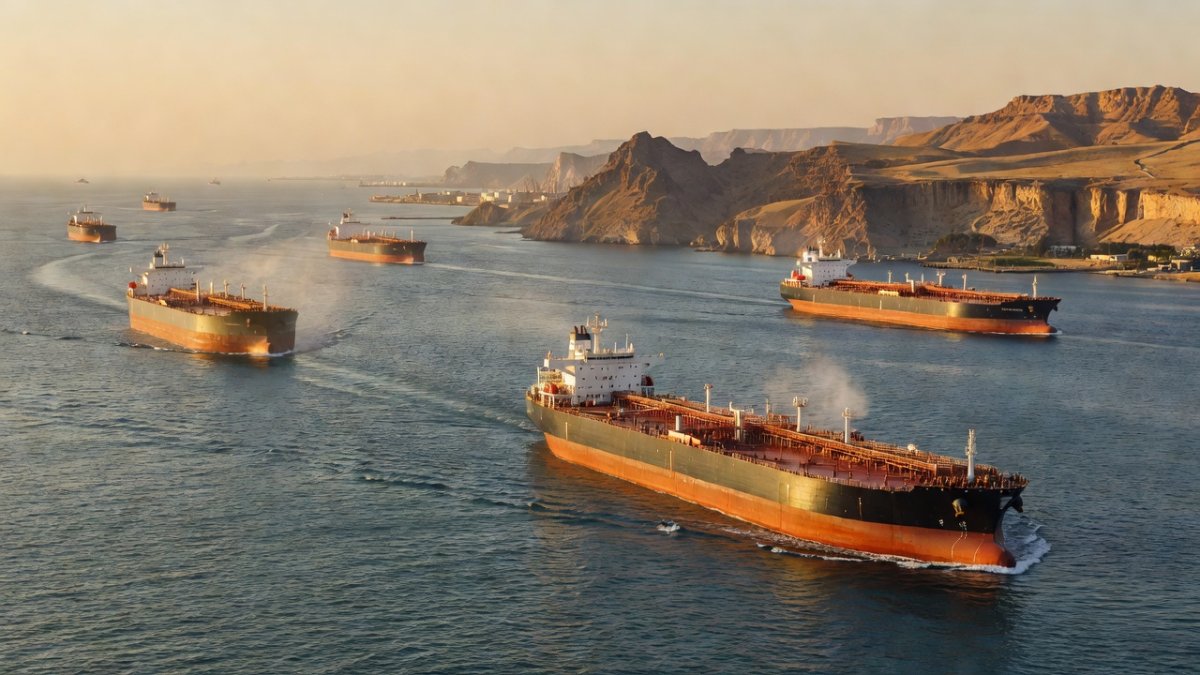
Iran seeks to impose transit fees on ships passing through the Strait of Hormuz after a current 60-day memorandum expires. The United States has told Iran it can gain more revenue by adhering to the MOU than by charging Hormuz tolls. Iran's Deputy Foreign Minister Kazem Gharibabadi reasserted claims of permanent Iranian control over shipping in the Strait of Hormuz and rejected internationally recognized shipping routes established in 1968.
Iran has launched drone attacks on tankers in the Strait of Hormuz since the February 28, 2026 outbreak of hostilities. The waterway remains a critical chokepoint for global energy supplies passing near Iranian territory.
The Nuclear Dimension
Management of Iran's nuclear program formed one of the three central issues alongside future control of the Strait of Hormuz and the unfreezing of $6 billion in Iranian assets. The 14-point MOU from the Lake Lucerne Summit includes specific technical provisions on enrichment limits and inspection access that negotiators in Doha reviewed.
US officials emphasized that any final arrangement must prevent Iran from advancing its nuclear capabilities beyond the thresholds set in the interim accord. Iranian representatives linked progress on asset releases to acceptance of their positions on nuclear oversight.
Israeli Concerns and Strategic Divide
Israeli officials expressed concerns about the strategic divide between the United States and Israel over the negotiations. They recognized that as long as US-Iran talks continue, and especially if a formal agreement is reached, Israel's freedom of action against Iran would be constrained.
Prime Minister's Office and Foreign Ministry sources in Jerusalem noted that the presence of the USS Tripoli and the $3 billion asset release could limit IDF options in the coming weeks. Security officials in Tel Aviv assessed that any binding US-Iran understanding would require coordination with the IDF and Shin Bet before further Israeli operations.
International Reactions
Qatari and Pakistani mediators issued statements welcoming the conclusion of the technical round on Wednesday. European Union diplomats monitoring the Lake Lucerne framework urged both sides to maintain the 60-day Hormuz memorandum while further talks are arranged.
Regional Arab states bordering the Gulf watched the asset release and Hormuz fee proposals closely, concerned about precedent for future shipping arrangements near their waters.
Analysis of What Comes Next
The $3 billion initial release and the continued presence of the USS Tripoli indicate that Washington seeks to stabilize the situation without immediate escalation. Israeli planners in the IDF General Staff must now calculate how a sustained US-Iran channel affects targeting decisions against Iranian facilities.
Further rounds are expected to address the remaining points of the 14-point MOU, including permanent arrangements for the Strait of Hormuz and verification of Iran's nuclear activities. The outcome will directly shape Israel's security environment and the daily calculations of the Prime Minister's Office regarding freedom of action.
 By Hannah Berg, Staff Writer
This article was produced with AI-assisted research and editorial support. Reporting is based on sources cited in the article.
What's Your Reaction?
 Like
0
Like
0
 Dislike
0
Dislike
0
 Love
0
Love
0
 Funny
0
Funny
0
 Wow
0
Wow
0
 Sad
0
Sad
0
 Angry
0
Angry
0

Israel Correspondent at Global1.News. Based in Tel Aviv, covering Israeli politics, security, technology, and society. Provides balanced, deeply-sourced reporting on one of the most closely-watched regions in the world.













Comments (0)