
Healing After the Genocide: Dr Nagham Nawzat and the Yazidi Women of Northern Iraq
The Day Sinjar Fell: One Survivor's Account Shireen was nineteen years old on 3 August 2014 when Islamic State militants kidnapped her from Sinjar while she studied for exams. The militants seized her along with many others from the Yazidi community. She was sold as a sex slave in Tal Afar and then resold to a man named Abu Omar in Mosul as his third wife. Abu Omar told her he
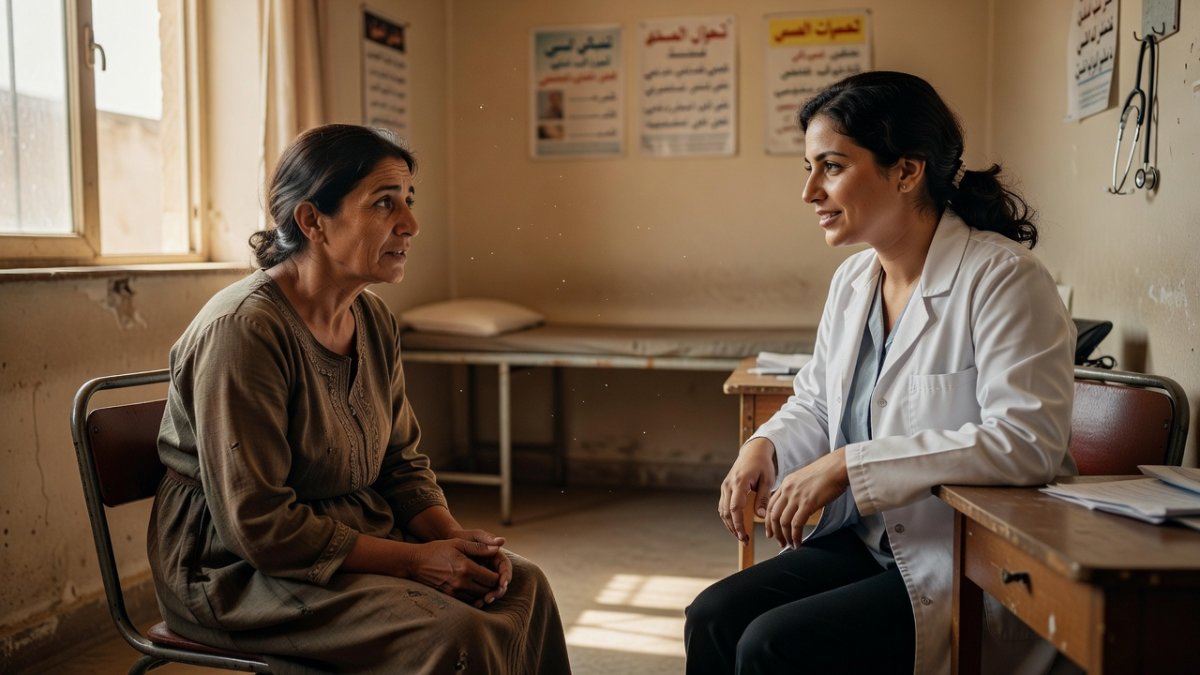
The Day Sinjar Fell: One Survivor's Account
Shireen was nineteen years old on 3 August 2014 when Islamic State militants kidnapped her from Sinjar while she studied for exams. The militants seized her along with many others from the Yazidi community. She was sold as a sex slave in Tal Afar and then resold to a man named Abu Omar in Mosul as his third wife. Abu Omar told her he loved her yet raped her repeatedly during her captivity. Shireen later stated that when someone loves another person they do not rape her and that the experience destroyed her life. Two other Yazidi girls were brought to the same house one aged six and one aged ten. The ten year old was also raped. Shireen remained confined indoors for more than two years with guards posted at all exits preventing her from going outside. The routine of captivity involved constant surveillance and isolation from the outside world. She endured repeated violations at the hands of Abu Omar while witnessing the suffering of the younger girls in the household. The days stretched into months and then years marked by fear and loss of freedom. Shireen had no contact with her family during this period and lived under strict control that allowed no movement beyond the walls of the house. The conditions left her with no opportunity to escape or seek help from anyone outside the immediate environment of captivity. This prolonged ordeal formed the core of her experience under Islamic State control in Mosul.
Release and Return: Living with What Was Done
Shireen was freed in 2016 when Iraqi forces retook Mosul from Islamic State control. Upon her return she learned that her uncle and friends had been killed during the events of 2014. Her father and sister remain missing since that year with no information about their fate. The losses left her facing deep depression and recurring nightmares that affected her daily life. She sought care at the Duhok Survivors Centre where she met Dr Nagham Nawzat. The doctor provided support that allowed Shireen to begin addressing the trauma she carried from captivity. Shireen stated that Dr Nawzat helped all of them and that without her help she would not be here today. The meetings at the centre became a turning point as Shireen found someone willing to listen to her account without judgment. The process involved discussing the events of Tal Afar and Mosul along with the impact on her family. Over time the support helped reduce the intensity of her nightmares and allowed her to speak more openly about what she had endured. Shireen described the care she received as essential to her ability to continue living after the years of confinement and violence. The centre offered a space where survivors like her could receive attention focused on their specific experiences of captivity and loss.
Dr Nagham Nawzat: From Mosul Medical College to the Survivors' Centre
Dr Nagham Nawzat was born in 1976 in Mosul to a Yazidi family. She pursued her dream of studying medicine and graduated from Mosul Medical College in 2002 with a focus on gynaecology. Her training prepared her to address the health needs of women in the region. In 2015 she joined the Duhok Survivors Centre which is funded by UNFPA and stands as the only facility in Iraq specializing in gender based violence. The centre provides specialized care for survivors of captivity and related trauma. Dr Nawzat brought her medical background to this setting where she could apply her skills to the needs of Yazidi women who had been held by Islamic State. Her decision to work at the centre reflected a commitment to supporting women whose health had been affected by the events that began in 2014. The UNFPA funding allowed the centre to operate as a dedicated space for addressing gender based violence in a way that other Iraqi facilities did not. Dr Nawzat worked within this structure to offer medical attention combined with attention to the emotional aspects of recovery. Her presence at the centre since 2015 has contributed to the care available for those who returned from captivity in places such as Mosul and Tal Afar.
A Daily Practice of Dignity and Care
Dr Nagham Nawzat follows a post traumatic medical protocol that begins with a thorough physical examination and then moves to emotional listening. This approach helps build trust with patients who have experienced prolonged captivity. Survivors describe her as like a big sister the survivors can confide in. When cases involve severe mental distress she refers them to the psychiatrist at the same centre. Her method emphasizes listening to each woman's account of what occurred during the years of Islamic State control. By July 2018 a total of 2023 Yazidi women had been liberated according to Hussein al Qaidi the KRG Kidnapped Affairs director. Dr Nawzat has helped approximately 1200 of them which represents more than half of those liberated. The numbers reflect the scale of need at the Duhok Survivors Centre where she has worked since 2015. Her daily practice combines medical assessment with the time required for patients to share their experiences. The referrals to psychiatric care ensure that those with deeper distress receive additional support within the same facility. This integrated approach has allowed many women to receive care that addresses both physical and emotional effects of captivity.
The Yazidi Genocide and the Religious Dimension of IS Violence
On 3 August 2014 Islamic State launched an offensive that seized one third of Iraq and resulted in the killing or kidnapping of at least 12000 Yazidis according to United Nations documentation which describes the events as an ongoing genocide. The militants kidnapped individuals from Sinjar and other areas including nineteen year old Shireen who was taken while studying for exams. Islamic State told captives that Melek Tawwus the Peacock Angel was the devil and forced conversion to Islam. Yazidis revere Melek Tawwus as the foremost of seven emanations from god Yasdan. This religious dimension added a layer of cultural and spiritual trauma to the physical violence experienced by those held in places such as Tal Afar and Mosul. The forced conversions and the targeting of Yazidi identity formed part of the systematic attacks that the United Nations has identified as genocide. The events left many survivors separated from family members with some still missing years later. The religious attacks compounded the suffering of women who were sold and resold as sex slaves under Islamic State control. The scale of the 2014 offensive created a lasting crisis that continues to affect the Yazidi community in northern Iraq.
International Recognition Amidst Continued Crisis
In March 2016 Dr Nagham Nawzat received the International Women of Courage Award from United States Secretary of State John Kerry. The award recognized her work with survivors at the Duhok Survivors Centre. This recognition highlighted the importance of specialized care for women who had endured captivity and gender based violence. Despite the award the crisis for Yazidi families continues with ongoing displacement in northern Iraq and economic hardship affecting daily life. Many survivors still search for missing relatives including fathers and sisters taken in 2014. The Kurdistan Regional Government coordinates efforts through officials such as Hussein al Qaidi to track those who remain unaccounted for. The centre funded by UNFPA continues to serve as the primary location for addressing the health needs of liberated women. Dr Nawzat's role at the facility has remained central to the support available for those returning from areas such as Mosul. The international attention brought by the award has not ended the challenges of displacement and loss that persist for the community. Coordination between the centre and KRG authorities helps maintain services for survivors who require ongoing medical and emotional assistance.
Healing Across a Community: The Long Road for Yazidi Families
The loss of male relatives during the 2014 events has altered household structures for many Yazidi families leaving women to assume new roles in supporting their communities. This shift occurs alongside the need for health system recovery in areas affected by the Islamic State offensive. Dr Nagham Nawzat's work at the Duhok Survivors Centre demonstrates the resilience of survivors who receive consistent care focused on their specific experiences. The centre has provided support to approximately 1200 women out of the 2023 liberated by July 2018. The road ahead involves continued attention to missing family members and the economic pressures that accompany displacement in northern Iraq. Families rely on the specialized services offered through UNFPA funding to address both physical and emotional effects of captivity. Dr Nawzat's approach of combining medical protocols with listening has contributed to the gradual process of recovery for those who have returned. The efforts at the centre reflect a commitment to supporting the community as it rebuilds after the events that began on 3 August 2014. Ongoing coordination with KRG officials helps sustain the care available for survivors and their families. By Fatima Al-Rashid, Staff Writer
This article was produced with AI-assisted research and editorial support. Reporting is based on sources cited in the article.
What's Your Reaction?
 Like
0
Like
0
 Dislike
0
Dislike
0
 Love
0
Love
0
 Funny
0
Funny
0
 Wow
0
Wow
0
 Sad
0
Sad
0
 Angry
0
Angry
0
Middle East Correspondent at Global1.News. Based in Beirut, covering politics, conflict, energy, and society across the Middle East. Brings context and depth to a region often reduced to headlines.









Comments (0)