
US-Iran Ceasefire on the Brink: Can the Stand Down Hold After a Weekend of Strikes?
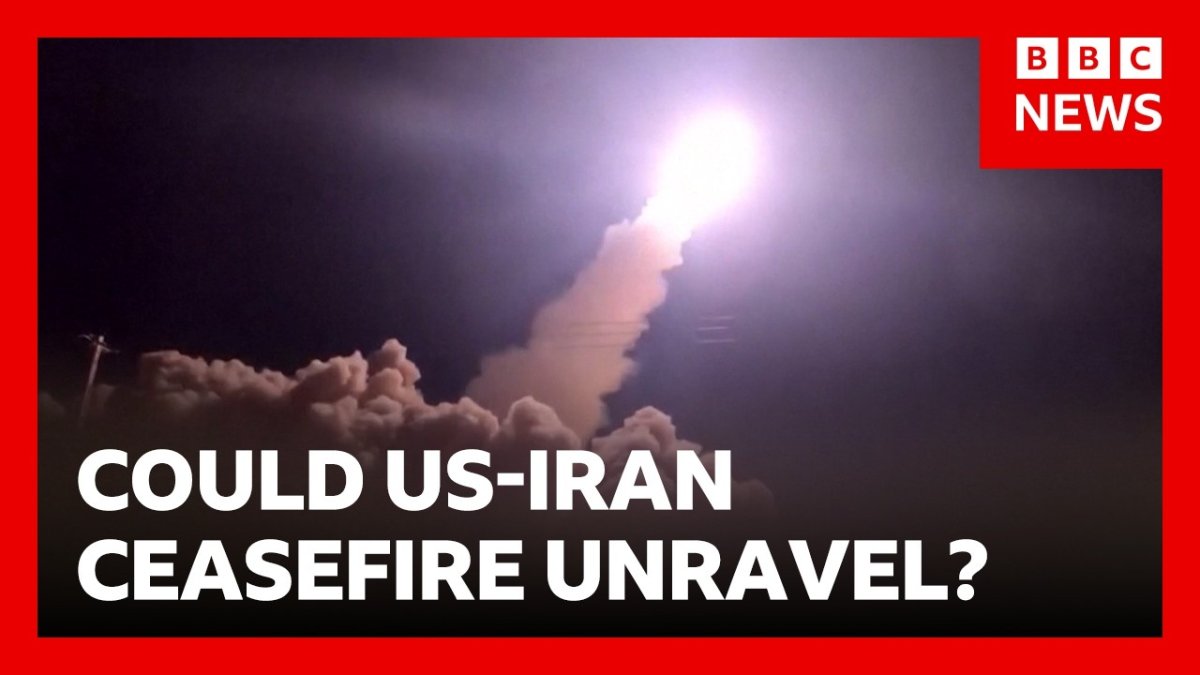
In a recent BBC News report, the channel examined whether the fragile ceasefire between the United States and Iran could survive the weekend's exchange of strikes across the Persian Gulf — a question that has taken on renewed urgency after both sides accused each other of violating the terms of a 14-point Memorandum of Understanding signed less than two weeks ago. US-Iran Cease
In a recent BBC News report, the channel examined whether the fragile ceasefire between the United States and Iran could survive the weekend's exchange of strikes across the Persian Gulf — a question that has taken on renewed urgency after both sides accused each other of violating the terms of a 14-point Memorandum of Understanding signed less than two weeks ago.
US-Iran Ceasefire on the Brink: Can the Stand Down Hold After a Weekend of Strikes?
London – 30 June 2026 — The fragile ceasefire between Washington and Tehran is facing its most serious test yet after a weekend of tit-for-tat military strikes that brought the Strait of Hormuz to a standstill. Both sides have now agreed to "stand down," but questions remain about whether the 14-point Memorandum of Understanding signed on 17 June can survive the mistrust that has already built up on both sides.
A Weekend of Escalation — How the Ceasefire Unraveled
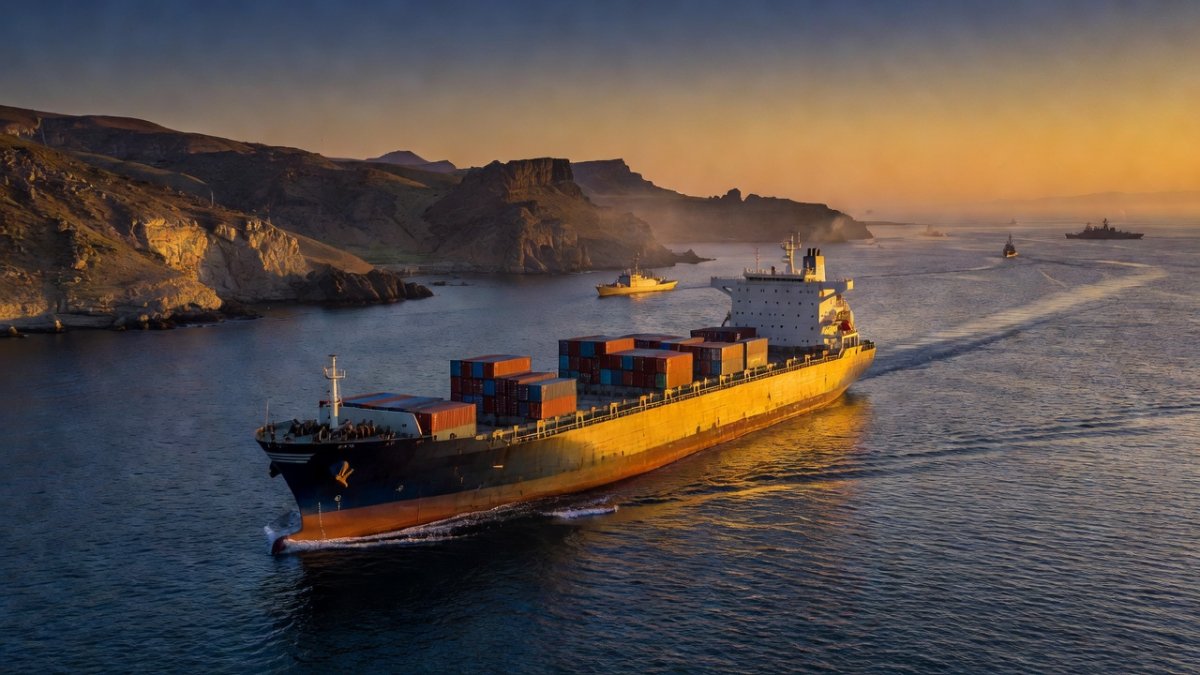
The sequence of events that brought the region to the brink began on Thursday, when an Iranian projectile struck a cargo ship in the Strait of Hormuz — the narrow waterway through which approximately 20 percent of the world's oil passes. The attack marked the first significant violation of the MoU's commitment to the safe passage of commercial vessels, a central provision of the agreement signed just 11 days earlier.
The United States responded swiftly. US Central Command (Centcom) announced a series of retaliatory strikes targeting Iranian military infrastructure, including surveillance and communications facilities, air defense systems, drone storage sites, and naval minelayers along the Persian Gulf coast. The US described the operation as a "direct response to continued aggression against commercial shipping."
Iran did not wait long to reply. Within hours, Iranian drones and missiles struck at US military installations in Kuwait and Bahrain. The Pentagon reported that none of the Iranian strikes reached their intended targets and that there were no American casualties or significant damage. But the exchange had already shattered the fragile calm that had held since the 17 June signing ceremony.
The 'Stand Down' — Diplomacy Interrupted
By Sunday, the situation had escalated to a point where both sides signaled a mutual desire to de-escalate. A US official told CBS News, the BBC's US partner, that Washington and Tehran had agreed to "stand down." The official confirmed that vessels would now be able to move through the Strait of Hormuz "freely" and that talks on a permanent end to hostilities would resume.
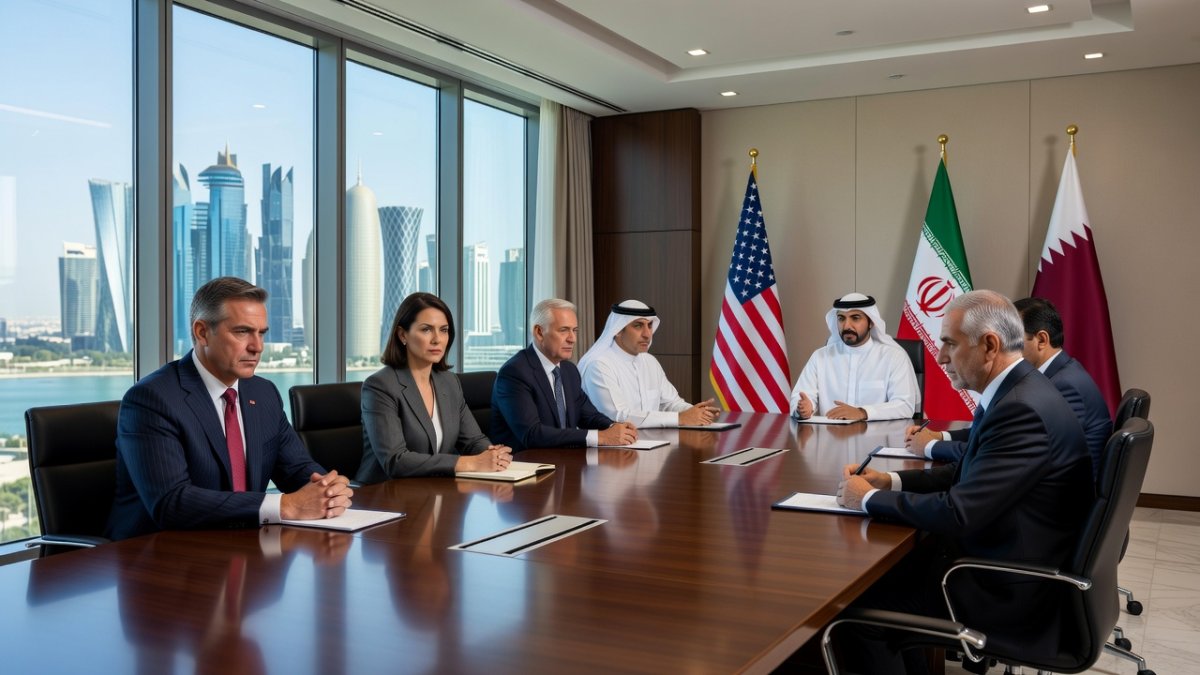
President Donald Trump announced on Truth Social that Iran had requested a meeting. "IRAN HAS REQUESTED A MEETING. IT WILL TAKE PLACE TOMORROW IN DOHA!" he wrote, offering no further details. The White House later confirmed that US Special Envoy Steve Witkoff and Jared Kushner, the president's son-in-law and senior advisor, would travel to Qatar's capital for what Press Secretary Karoline Leavitt described as "high-level meetings" to continue discussions on the MoU.
On the Iranian side, the response was notably cooler. Deputy Foreign Minister Kazem Gharibabadi denied that any high-level political talks had been scheduled. Tehran's position, as articulated by foreign ministry spokesman Ismail Baqaei, is that any engagement in Doha is limited strictly to "technical and expert-level" follow-up on MoU implementation — specifically regarding asset releases, oil sales permits, and the interpretation of maritime transit terms under the agreement.
The MoU Under Scrutiny — What Does It Actually Require?
The 14-point Memorandum of Understanding, signed on 17 June, was hailed by the Trump administration as a breakthrough. The document called for an "immediate and permanent termination of military operations on all fronts" and committed Iran to using its "best efforts for the safe passage of commercial vessels with no charge for 60 days." In exchange, the US agreed to sanctions relief enabling Iranian oil exports, the unfreezing of billions of dollars in assets held in Qatar and other jurisdictions, and the lifting of the US naval blockade that had effectively closed the Strait of Hormuz since the US and Israel launched strikes on Iran at the end of February.
Critics have pointed to what they see as fundamental weaknesses in the agreement. The MoU's language on nuclear matters is limited to a temporary freeze on enrichment and a public commitment from Iran not to seek nuclear weapons — with broader nuclear talks deferred to a later phase. There is no explicit mention of Iran's ballistic missile program, its support for regional proxies including Hezbollah and the Houthis, or a robust verification and inspection regime.
For Russia and China, the situation is being watched closely. Moscow has maintained diplomatic channels with both Washington and Tehran throughout the crisis, positioning itself as a potential mediator while also benefiting from the disruption to global energy markets. Beijing, which relies on the Strait of Hormuz for a significant portion of its crude oil imports, has called for restraint from all parties while quietly urging Iran to honor its commitments under the MoU.
Lebanon — The Forgotten Front
Compounding the crisis in the Gulf, the US-brokered framework agreement between Israel and Lebanon — signed on Friday — has already shown signs of fragility. Hezbollah's leadership publicly rejected the agreement, accusing the Lebanese government of undermining national sovereignty. On Sunday, the Israeli military struck a 200-meter-long tunnel in southern Lebanon that it said was used by Hezbollah and contained hundreds of weapons. Israel informed Washington ahead of the operation, according to a joint statement from Prime Minister Benjamin Netanyahu and Defense Minister Israel Katz.
Tehran has made clear that the wider ceasefire cannot hold while hostilities continue in Lebanon. Iranian officials have framed the Israel-Hezbollah conflict and the US-Iran ceasefire as interconnected tracks — a position that complicates Washington's efforts to stabilize the region on separate timetables.
Analysis — What Comes Next
The weekend's exchange of strikes has exposed the fundamental fragility of the 17 June agreement. The MoU was designed as an interim framework — a 60-day pause that would buy time for broader negotiations on nuclear issues, regional security, and economic normalization. But the speed with which it unraveled suggests that neither side has sufficient trust in the other's intentions to maintain even a basic ceasefire.
For the Trump administration, the stakes are high. President Trump has staked significant political capital on the Iran deal, portraying it as a major foreign policy achievement. A collapse would not only embolden Iran's hardliners but also hand ammunition to domestic critics who have called the MoU a "surrender" that grants Tehran immediate economic relief in exchange for vague and unenforceable promises.
For Iran, the calculus is equally complex. The sanctions relief and asset unfreezing promised under the MoU are urgently needed — the Iranian economy has been battered by years of sanctions and the direct military conflict that began in late February. But the hardline factions within the Iranian security establishment are deeply skeptical of any deal with Washington, and the strikes over the weekend have given them powerful arguments against further engagement.
In a recent BBC News report, analysts noted that the next 48 hours will be decisive. If the Doha technical talks produce concrete progress on asset releases and oil sales, the ceasefire may hold long enough for the broader political track to gain momentum. If not, the region could find itself back at the brink of a wider conflagration — with the Strait of Hormuz once again at the center of the storm. For Russia, watching from the sidelines, the outcome will shape not only energy markets but also Moscow's own calculations about its role in a rapidly shifting Middle Eastern order.
Russia's Diplomatic Positioning
Moscow continues to monitor developments through established channels at the Foreign Ministry. Russian officials have emphasized the importance of respecting the original terms of the 14-point Memorandum while avoiding any direct military involvement. This approach allows the Kremlin to maintain leverage in energy discussions without committing resources that could strain relations with other regional actors such as the CSTO partners. Moscow's role as potential mediator could stabilize EU energy security by helping ensure reliable flows through the Strait of Hormuz and lowering the chance of extended supply shocks that push Europe toward expensive LNG alternatives. Specific diplomatic channels that remain open include ongoing UN-mediated contacts and indirect Qatari-facilitated exchanges, enabling Russia to shape discussions on transit guarantees and sanctions relief without overextending its own commitments.
Energy Market Repercussions for the Region
The temporary closure of the Strait of Hormuz has already affected shipping schedules and insurance rates for tankers. Countries dependent on Gulf crude, including several European importers, are assessing alternative routes. For ordinary citizens in Russia, fluctuations in global oil prices translate directly into adjustments at domestic fuel pumps and broader economic planning by companies such as Gazprom and Rosneft. Insurance premiums for Hormuz transits have risen sharply, prompting some operators to explore longer detours around the Cape of Good Hope despite added costs and delays. This volatility feeds into higher pump prices for Russian drivers and forces Rosneft and Gazprom to revise export schedules and hedge against sudden swings in crude values that could squeeze domestic refining margins.
Outlook for Technical Talks in Doha
The upcoming meetings involving US Special Envoy Steve Witkoff and Jared Kushner will focus on narrow implementation details rather than new political concessions. Iranian representatives have stressed that progress must be measured by concrete steps on asset releases before any further commitments are considered. Both sides recognize that failure to deliver visible results within days could reignite the cycle of accusations that led to the weekend strikes. Key benchmarks include verifiable timelines for partial asset unfreezing and clarified oil-sale permit procedures, with both parties watching for measurable movement within the first week. Missing these early milestones risks collapsing the technical track and reopening the door to renewed military posturing.
By Irina Volkov, Staff Writer
This article was produced with AI-assisted research and editorial support. Reporting is based on sources cited in the article.
What's Your Reaction?
 Like
0
Like
0
 Dislike
0
Dislike
0
 Love
0
Love
0
 Funny
0
Funny
0
 Wow
0
Wow
0
 Sad
0
Sad
0
 Angry
0
Angry
0
Russia/Eastern Europe Correspondent at Global1.News. Covering Russian politics, energy, security, and the shifting dynamics of the post-Soviet space. Provides clear-eyed analysis on one of the world's most opaque regions.











Comments (0)