
Russia's Pollution Crisis Deepens as 83.6 Million Citizens Exposed to Hazardous Chemicals, Rospotrebnadzor Data Shows
Rospotrebnadzor data confirms that 83.6 million Russians faced aggregate chemical pollution in water, air and soil in 2025. This figure rose from 79.1 million in 2024 and 75.4 million in 2023. The increase reverses earlier declines recorded after the 2016 launch of the Clean Air Federal Project. Exposure had fallen from 92.8 million people in 2016 to 74.2 million in 2022. The r
Rospotrebnadzor data confirms that 83.6 million Russians faced aggregate chemical pollution in water, air and soil in 2025. This figure rose from 79.1 million in 2024 and 75.4 million in 2023. The increase reverses earlier declines recorded after the 2016 launch of the Clean Air Federal Project.
Exposure had fallen from 92.8 million people in 2016 to 74.2 million in 2022. The reversal followed the government's 2023 decision to reduce funding for several environmental programs, including a near-halving of Clean Air allocations for 2024 that amounted to cuts of 6 billion rubles.
Russia's Pollution Crisis Deepens as 83.6 Million Citizens Exposed to Hazardous Chemicals, Rospotrebnadzor Data Shows
Moscow, Russia – This week — New data from Russia's consumer safety watchdog reveals a deepening environmental crisis across the country, with chemical pollution exposure reaching its highest level since tracking began.
The Scale of Aggregate Chemical Exposure
Rospotrebnadzor data confirms that 83.6 million Russians faced aggregate chemical pollution in water, air and soil in 2025. This figure rose from 79.1 million in 2024 and 75.4 million in 2023. The increase reverses earlier declines recorded after the 2016 launch of the Clean Air Federal Project.
Exposure had fallen from 92.8 million people in 2016 to 74.2 million in 2022. The reversal followed the government's 2023 decision to reduce funding for several environmental programs, including a near-halving of Clean Air allocations for 2024 that amounted to cuts of 6 billion rubles.
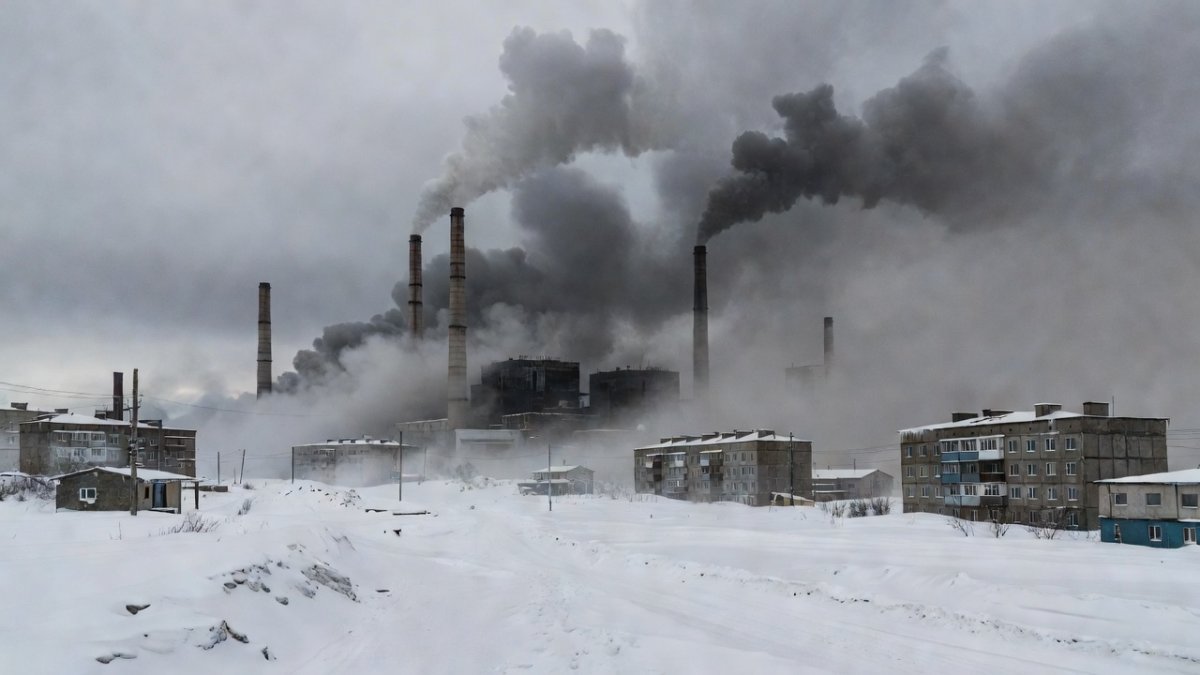
The scale of Russia's pollution crisis is most visible in Siberian industrial centers where coal dependence drives emissions. (Global 1 News)
Conditions in Ulan-Ude and Siberian Industrial Centers
Residents of Ulan-Ude in the republic of Buryatia describe seasonal smog from coal-fired power stations and household stoves that trap pollutants in the mountain basin. A local woman told The Moscow Times that air quality remains tolerable in spring and summer yet becomes unbreathable in winter.
Similar patterns affect other Siberian cities where coal dependence, heavy industry and wildfire smoke combine. Chelyabinsk in the Urals and communities in the republic of Tyva report comparable long-term exposure, with residents noting visible soot and respiratory effects that have become normalized.
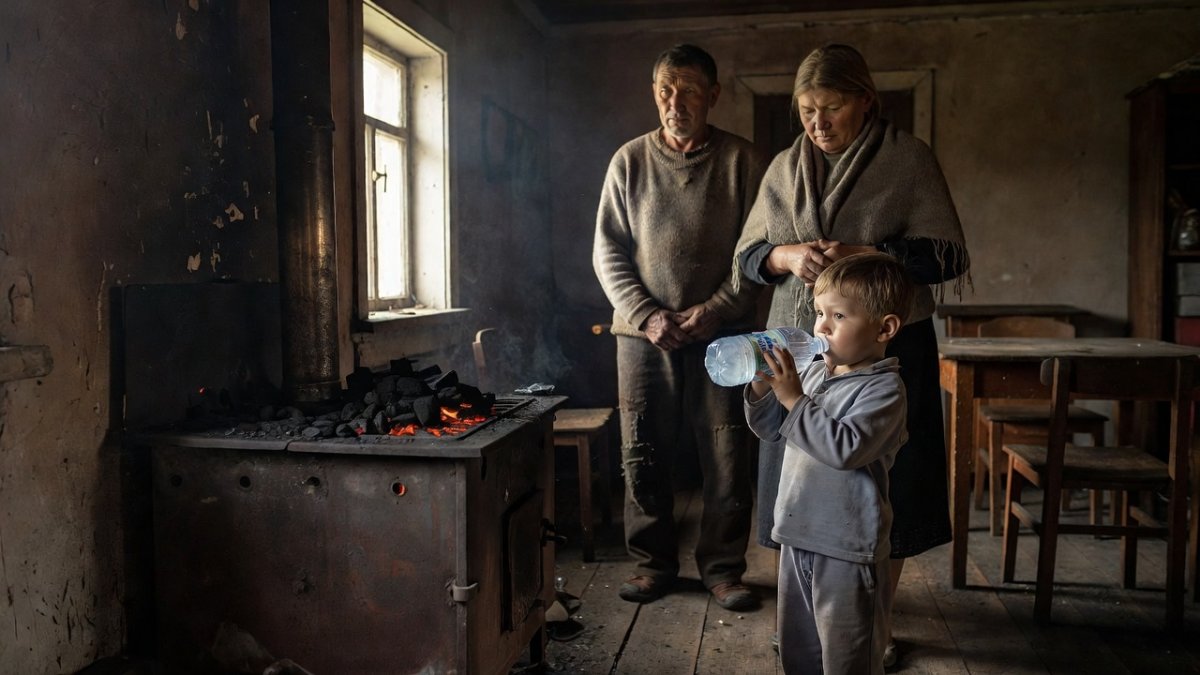
In cities like Ulan-Ude, coal-fired heating systems produce hazardous air quality for much of the year. (Global 1 News)
Economic Reorientation and Energy Politics
A Russian environmental analyst attributed the rise in pollution to Western sanctions, the shift of exports toward Asia and the placement of the economy on a war footing. The analyst stated that the country which began the Clean Air project in 2016 no longer exists in its prior form after 2022.
Departure of foreign investors ended pressure for ESG reporting. Russian firms now supply the domestic military-industrial complex, where buyers place no demands on environmental standards. Europe's embargo on Russian coal has redirected output to Siberian and Far Eastern domestic markets, sustaining coal use in regions already burdened by emissions.
Shortfalls in Monitoring Systems
Continuous air-quality monitoring capable of measuring PM2.5 and PM10 remains absent in major polluted cities such as Norilsk and Krasnoyarsk. The analyst noted that enterprises have systematically delayed installation of these systems, leaving official data incomplete.
Rospotrebnadzor identified contaminated drinking water as the leading environmental health risk in 2025, linking it to 12,400 deaths compared with 6,100 deaths attributed to air pollution. This weighting differs from earlier studies that assigned air pollution 50 to 80 percent of total health risks.
Public Priorities Amid Broader Pressures
Residents across affected regions report that fuel shortages and rising grocery prices now dominate daily concerns. A Chelyabinsk native observed that discussions of air and water quality have largely disappeared from local conversation in recent years.
In Ulan-Ude, neighborhoods built without formal planning lack reliable access to drinking water. One resident stated that environmental issues receive attention only after basic needs are met, a threshold many households have not yet reached.
By Irina Volkov, Staff Writer
This article was produced with AI-assisted research and editorial support. Reporting is based on sources cited in the article.
What's Your Reaction?
 Like
1
Like
1
 Dislike
0
Dislike
0
 Love
0
Love
0
 Funny
0
Funny
0
 Wow
0
Wow
0
 Sad
0
Sad
0
 Angry
0
Angry
0

Russia/Eastern Europe Correspondent at Global1.News. Covering Russian politics, energy, security, and the shifting dynamics of the post-Soviet space. Provides clear-eyed analysis on one of the world's most opaque regions.











Comments (0)