
Urban Heat Island Effect: Why Indian Cities Are Heat Traps
The Urban Heat Island Phenomenon Gripping Indian Cities Indian cities are transforming into heat traps through the Urban Heat Island effect, an invisible process that elevates urban temperatures by 2°C to 10°C above surrounding rural areas. This phenomenon operates independently of broader climate change trends and stems directly from rapid urbanization patterns across the coun
The Urban Heat Island Phenomenon Gripping Indian Cities
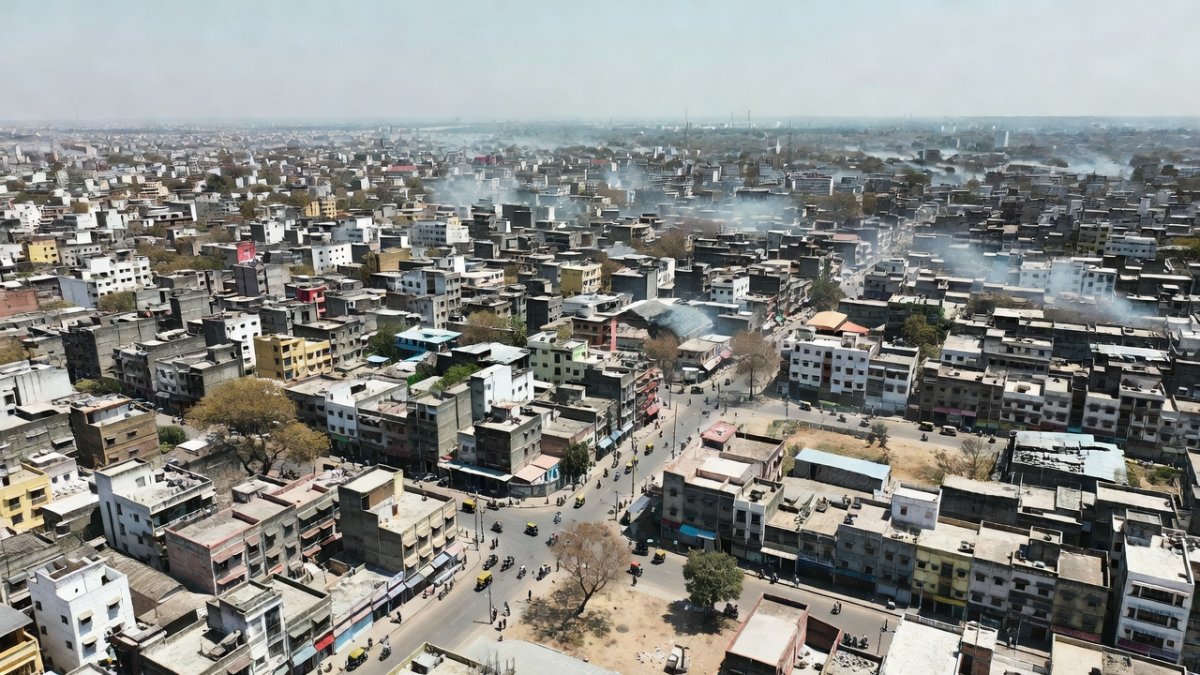
Indian cities are transforming into heat traps through the Urban Heat Island effect, an invisible process that elevates urban temperatures by 2°C to 10°C above surrounding rural areas. This phenomenon operates independently of broader climate change trends and stems directly from rapid urbanization patterns across the country. Concrete roads, glass buildings, dense construction, and loss of green cover serve as primary drivers that absorb and retain heat during the day before releasing it at night.
The consequences extend beyond discomfort. They strain India's healthcare framework, increase energy demands on the power grid, and widen gaps between affluent and low-income residents in cities such as Delhi-NCR and Ahmedabad. Taxpayers ultimately bear the cost through higher public health expenditures and emergency infrastructure upgrades.
Quantifying the Heat: Data from National Studies
A UNEP study establishes that cities worldwide, including those in India, are warming at nearly twice the global average rate. The IIT Bhubaneswar study published in Nature examined 141 Indian cities and found that urbanization has produced 60% more night-time warming compared to non-urban areas. Tier-2 cities in eastern India show particularly sharp increases due to unchecked construction activity.
These measurements carry direct implications for Indian citizens. Elevated night-time temperatures reduce sleep quality, which in turn raises risks of cardiovascular strain and heat-related illnesses treated at facilities such as AIIMS. The data also highlight how education institutions in affected cities face disruptions during peak summer months when classroom conditions become intolerable without adequate cooling.
Hotspots Across the Nation: From Ahmedabad to Delhi-NCR
Ahmedabad, Jaipur, and Rajkot register the highest urban heat island intensity. Delhi-NCR ranks fourth and Pune fifth among the most affected urban centers. March 2026 marked the hottest March on record for northern India, while 19 of the world's 20 hottest cities in May 2026 were located within India. A CSE report titled "Making Delhi Heat-Resilient" documented that Delhi's temperature difference between day and night shrank by 9% over the last decade, signaling a dangerous compression of natural cooling cycles.
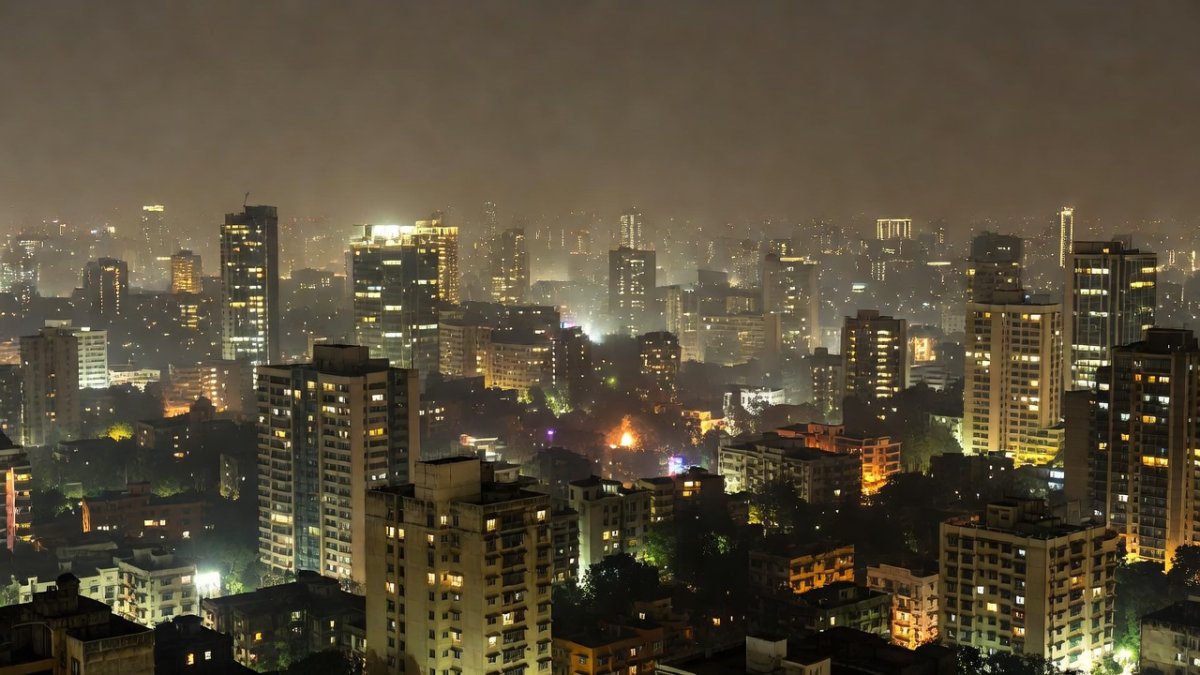
These rankings affect ordinary citizens through increased hospital admissions for heatstroke and dehydration. Patients in government facilities across Rajasthan and Gujarat experience longer wait times as emergency wards handle rising caseloads. The pattern also pressures urban policy frameworks that must now prioritize heat mitigation alongside traditional infrastructure projects.
Drivers of Urban Warming in India's Built Environment
Concrete roads and glass-clad buildings dominate new construction in cities from Bhubaneswar to Pune. These materials store solar radiation and release it after sunset, preventing the natural temperature drop that rural areas experience. Dense construction further blocks wind flow, while the steady loss of green cover removes the evaporative cooling that trees and parks once provided.
Urban planners in the Ministry of Housing and Urban Affairs face mounting pressure to revise building codes. Without intervention, the economic burden on taxpayers will grow through repeated investments in road repairs damaged by thermal expansion and higher subsidies for electricity during summer peaks.
Health Impacts on Indian Citizens and Healthcare Systems
Prolonged exposure to elevated night temperatures disrupts sleep and weakens immune response, leading to higher incidences of respiratory and cardiac conditions. The Indian Council of Medical Research has noted increased heat-related morbidity in urban populations, particularly among outdoor workers and the elderly. Hospitals in Delhi-NCR and Ahmedabad report seasonal surges that stretch existing bed capacity and medical staff resources.
These health outcomes carry broader policy implications. Citizens without access to private cooling bear disproportionate risks, while public health budgets absorb the downstream costs of preventable illnesses. The trend also affects student performance in schools and colleges where extreme heat reduces concentration during examinations.
Policy Responses and Implementation Challenges
India's Heat Action Plans have expanded across multiple states, yet gaps in execution persist at the municipal level. The India Meteorological Department incorporated warm night advisories into its daily All India Weather Forecast Bulletin starting in 2024, providing earlier warnings for vulnerable populations. UNEP's Cool Coalition partnered with CEPT University in Ahmedabad to map the hottest urban zones and recommend nature-based cooling solutions such as increased tree cover and reflective surfaces.
These initiatives connect directly to India's urban governance structure. Successful implementation requires coordination between the Ministry of Health and state urban development departments. Citizens benefit when advisories translate into timely public cooling centers, but inconsistent funding leaves many smaller cities without adequate protection.
Addressing Cooling Inequity in Urban India
Air conditioner usage ejects waste heat into the surrounding environment, intensifying the urban heat island effect for those unable to afford cooling. This creates a cycle of cooling inequity where higher-income households in gated communities worsen conditions for residents in informal settlements. The phenomenon appears most acutely in cities such as Rajkot and Jaipur where temperature differentials between neighborhoods can exceed 4°C.
Policy responses must therefore balance individual comfort with collective urban resilience. Incentives for community-level cooling infrastructure, rather than solely private AC units, offer one pathway to reduce the burden on low-income citizens while lowering overall energy demand on the national grid.
The Urban Heat Island effect now forms a core challenge for India's sustainable development trajectory. Data from IIT Bhubaneswar and UNEP demonstrate that targeted interventions in building materials, green cover restoration, and equitable cooling access can mitigate the worst outcomes. Citizens, healthcare providers, and policymakers share responsibility for translating these findings into concrete urban reforms that protect public health and reduce long-term economic costs.
— By Dr. Raj Patel, Staff Writer
This article was produced with AI-assisted research and editorial support. Reporting is based on sources cited in the article.
What's Your Reaction?
 Like
0
Like
0
 Dislike
0
Dislike
0
 Love
0
Love
0
 Funny
0
Funny
0
 Wow
0
Wow
0
 Sad
0
Sad
0
 Angry
0
Angry
0

Caribbean Correspondent at Global1.News. Based in Port of Spain, Trinidad, covering Caribbean politics, economy, energy, climate, and culture. Amplifying the voices and stories of the Caribbean region.














Comments (0)