
As Ukrainian Drone Strikes Bite, Even Russia's Fuel-Producing Heartland Feels the Squeeze
Russia's fuel shortages, triggered by Ukrainian drone strikes on the country's energy infrastructure nearly a month ago, continue to ripple through the economy in unexpected ways. Even Bashkortostan — the republic that produces more diesel and gasoline than any other region in Russia — has not been spared, with residents lining up for hours and purchases rationed at 30 liters p
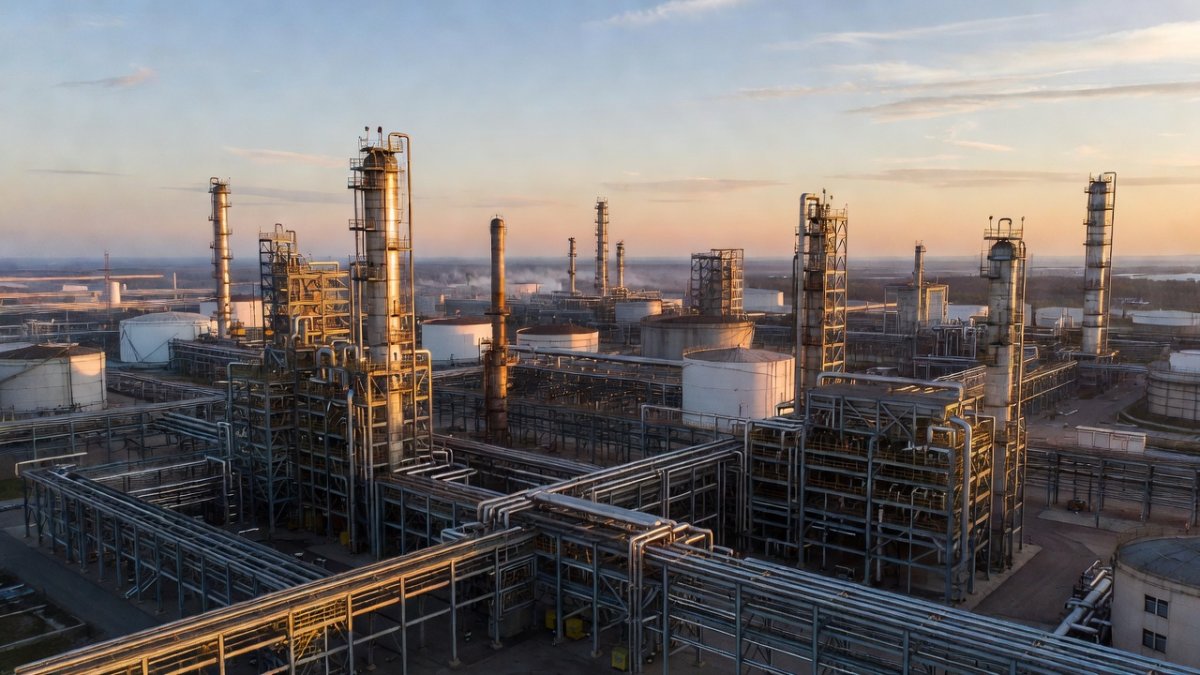
Russia's fuel shortages, triggered by Ukrainian drone strikes on the country's energy infrastructure nearly a month ago, continue to ripple through the economy in unexpected ways. Even Bashkortostan — the republic that produces more diesel and gasoline than any other region in Russia — has not been spared, with residents lining up for hours and purchases rationed at 30 liters per customer.
As Ukrainian Drone Strikes Bite, Even Russia's Fuel-Producing Heartland Feels the Squeeze
Ufa, Bashkortostan – July 9, 2026 — Russia's fuel shortages, now nearly a month old, continue to affect daily life across multiple regions.
The Irony of Shortages in Russia's Leading Refining Republic
Bashkortostan stands as Russia's most populous ethnic republic, positioned along the southern slopes of the Ural Mountains. Its four refineries hold a combined annual capacity of 34.1 million metric tons, exceeding any other region and establishing the republic as the nation's top producer of diesel fuel and gasoline. This industrial prominence makes the current fuel shortages particularly striking, as even the heart of domestic refining has not escaped the nationwide disruptions that began nearly a month ago following Ukrainian strikes on energy infrastructure.
Residents in Ufa, the capital where refinery towers dominate the skyline, encountered extended waits at pumps with purchases limited to 30 liters per customer. Some stations closed entirely. The situation underscores how production capacity alone does not guarantee local supply stability when distribution networks face sudden pressure. Confirmed reports indicate that output in Bashkortostan actually rose 10 percent year-on-year as the republic redirected fuel to other areas, yet this effort coincided with empty pumps at home.
Analysts interpret this outcome as evidence that centralized allocation decisions can override regional production strengths during crises. The contrast between Bashkortostan's role as a net supplier and its own residents queuing for fuel highlights vulnerabilities in Russia's energy logistics that extend far beyond frontline regions.
Ukrainian Drone Strikes Targeting Russian Energy Facilities
Ukrainian drone operations have focused on Russian energy infrastructure, with one documented case involving a Gazprom Neft-operated refinery in southeast Moscow. That facility shut down after the attack, compounding existing strains in the capital and the annexed Crimea. Official accounts attribute the resulting fuel shortfalls directly to these strikes, which reduced processing capacity at a key site and forced authorities to seek alternative sources across the country.
The mechanism relies on precision strikes that interrupt refining operations without necessarily destroying entire complexes. In the Moscow case, the shutdown removed a significant volume of fuel from immediate circulation, prompting redistribution efforts that drew supplies away from distant regions. This pattern aligns with broader reports of attacks on energy assets, where even temporary halts create cascading effects through interconnected supply chains.
Interpretation of these events suggests that Ukrainian forces have identified refineries as high-impact targets capable of generating domestic pressure inside Russia. While production figures from Bashkortostan remained robust, the diversion of its output to compensate for the Moscow loss illustrates how localized damage can strain the entire system.
Logistics Decisions That Diverted Regional Supplies
Instead of drawing on strategic reserves promptly, authorities chose to ship fuel from across Russia to Moscow after the refinery closure. This approach diverted supplies originally intended for regional consumers, including those in Bashkortostan, and triggered shortages farther from the capital. An economist from the republic, speaking anonymously to Idel.Realii, described the core problem as a failure in logistics and planning rather than an absolute absence of fuel.
The decision to prioritize the capital over balanced distribution created immediate imbalances. Regions that normally receive steady deliveries found themselves competing for reduced allocations while Moscow restocked. Only after reserves were eventually released did the flow begin to stabilize, though experts note that full normalization requires additional time for transport networks to adjust.
This sequence demonstrates how crisis management choices can amplify initial disruptions. The economist's assessment frames the shortages as the result of reactive rerouting rather than production shortfalls, a distinction that carries implications for how future incidents might be handled by federal ministries.
Statements from Bashkortostan Officials on Energy Security
Deputy Prime Minister Alexander Sheldyayev confirmed that Bashkortostan received explicit instructions to support the energy security of the entire country. The republic responded by increasing deliveries to neighboring regions, achieving the noted 10 percent output growth. Sheldyayev's remarks positioned the republic's role as a national contributor, even as local stations experienced rationing and closures.
Deputy Trade and Energy Minister Oleg Tyshenko provided updates on queue lengths in Ufa. At their peak, lines reached an estimated 800 cars at individual stations. By Monday, those figures had fallen to roughly 170 cars total, equating to five to seven vehicles per operating station. Tyshenko presented these numbers as evidence that the situation was easing following the release of reserves.
These official statements attribute the temporary difficulties to the broader national task assigned to Bashkortostan. They emphasize increased production and gradual improvement without addressing the underlying diversion of supplies that originated the regional shortfalls. Attribution remains essential, as these accounts reflect government positions rather than independent verification of long-term stability.
Rising Costs for Food and Transportation Across Regions
The fuel disruptions have translated into higher prices for basic goods in village stores, particularly in mountainous rural districts hundreds of kilometers south of Ufa. Gas stations there remained shuttered for weeks before reopening, during which time delivery costs rose and stock levels dropped. Trucking companies issued warnings to customers about increased shipping rates and extended delivery times, with some smaller carriers halting interregional routes altogether.
Road freight rates for grain increased by an average of 20 to 30 percent, according to analysts cited by Kommersant. These adjustments reflect the added expense of securing diesel amid constrained availability. While harvest activities in southern Russia experienced delays of up to two weeks, experts such as Andrei Sizov of SovEcon attribute the primary cause to weather patterns rather than fuel availability alone.
Ordinary consumers encounter these effects through elevated food prices and slower goods movement. The ripple from energy infrastructure damage thus extends into daily household budgets, illustrating how localized refining interruptions can influence broader economic activity even in areas distant from the original strikes.
Differential Impacts on Large and Small Agricultural Operations
Large agricultural producers maintain stockpiled fuel reserves that buffer them against sudden price spikes or delivery gaps. In contrast, smaller farms must purchase diesel at elevated market rates when local supplies tighten. This disparity becomes acute during the harvest period, when timely access to fuel determines operational continuity.
In Krasnodar, the regional farmers' association People's Farmer of Kuban estimates that additional fuel costs for farmers could total approximately 14 billion rubles, or $184 million. In Bashkortostan, the same pressures threaten operations attempting to maintain rare indigenous agricultural practices that rely on consistent, affordable diesel inputs. Small operators lack the scale to absorb these expenses without reducing cultivated area or delaying essential fieldwork.
Interpretation of these outcomes points to a widening gap between industrial-scale agriculture and family or community-based farms. The fuel crisis amplifies existing structural differences, placing disproportionate strain on those least equipped to secure alternative supplies during periods of national redistribution.
Longer-Term Effects on Daily Life for Ordinary Russians
Across Russia, residents continue to navigate the aftermath of fuel shortages nearly a month after the initial triggers. Even where stations have reopened, elevated transportation costs and food price increases persist, affecting household finances in both urban centers and remote villages. The experience in Bashkortostan serves as a clear example that no region remains insulated when refining capacity faces disruption and allocation prioritizes certain areas over others.
Small carriers suspending routes and farmers facing higher input costs contribute to a wider sense of economic pressure. These developments occur alongside official assurances of gradual improvement, yet the time required for full supply chain recovery remains uncertain. The combination of drone-induced refinery closures and subsequent logistics choices has produced effects that reach into routine activities such as commuting, shopping, and seasonal agricultural work.
Continued monitoring of regional distribution patterns will determine whether the current stabilization holds or whether similar pressures reemerge with future infrastructure incidents. The situation in Russia's leading fuel-producing republic underscores the interconnected nature of energy security and everyday economic resilience.
By Irina Volkov, Staff WriterThis article was produced with AI-assisted research and editorial support. Reporting is based on sources cited in the article.
What's Your Reaction?
 Like
0
Like
0
 Dislike
0
Dislike
0
 Love
0
Love
0
 Funny
0
Funny
0
 Wow
0
Wow
0
 Sad
0
Sad
0
 Angry
0
Angry
0

Russia/Eastern Europe Correspondent at Global1.News. Covering Russian politics, energy, security, and the shifting dynamics of the post-Soviet space. Provides clear-eyed analysis on one of the world's most opaque regions.












Comments (0)