
UAE and EU Complicity in Libya's Human Trafficking Crisis
In a recent Middle East Eye report, investigators detail how the United Arab Emirates and the European Union have contributed to human trafficking and migrant abuse in Libya through militia funding and the externalization of migration controls, leaving thousands exposed to exploitation in a country still fractured by conflict since 2011. UAE Militias and Detention Networks The
In a recent Middle East Eye report, investigators detail how the United Arab Emirates and the European Union have contributed to human trafficking and migrant abuse in Libya through militia funding and the externalization of migration controls, leaving thousands exposed to exploitation in a country still fractured by conflict since 2011.
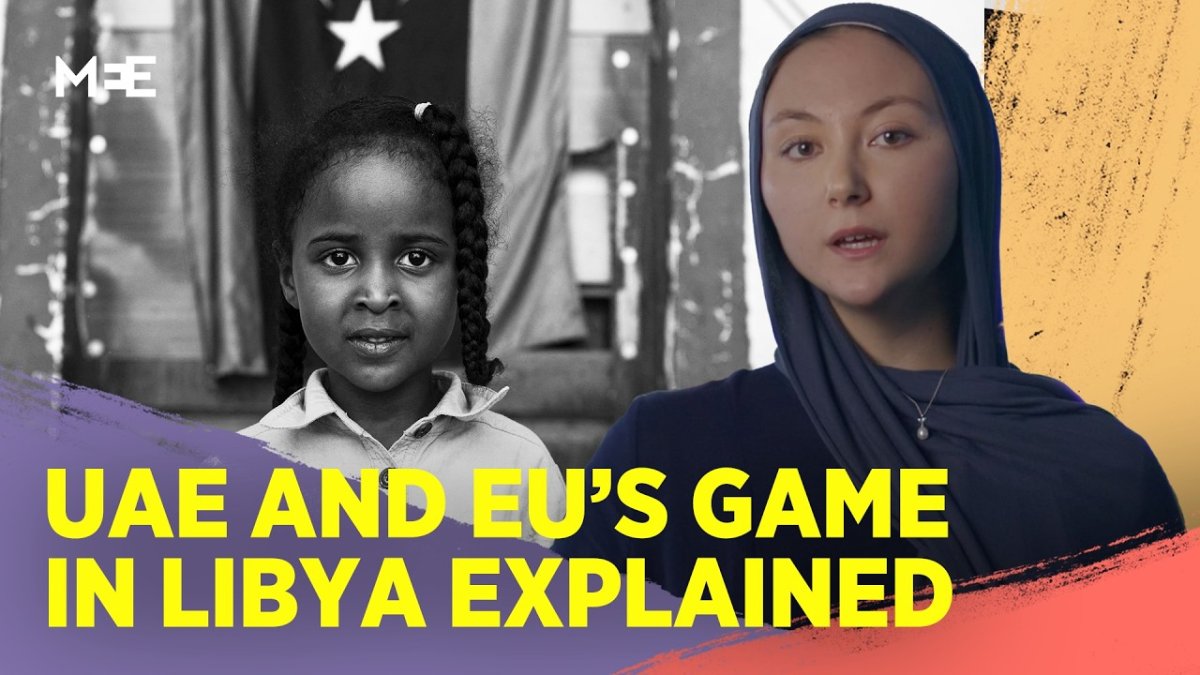
UAE Militias and Detention Networks
The United Arab Emirates has maintained documented ties to forces aligned with Khalifa Haftar and the Libyan National Army in eastern Libya. These connections have included material support that strengthened militia control over key territories. Human Rights Watch reports from earlier years described how such backing enabled the establishment and operation of detention facilities where migrants were held without due process. The pattern reflects broader regional strategies that prioritize security arrangements over civilian protections in a country divided between rival administrations in Tripoli and the east.
Eastern Libyan detention centers under militia influence have operated with limited oversight from central authorities. Amnesty International has recorded cases where individuals were transferred between sites run by armed groups, often in conditions marked by overcrowding and inadequate access to medical care. These facilities emerged in the aftermath of the 2011 uprising, when state institutions weakened and local power structures filled the vacuum. The involvement of external actors has prolonged the influence of these groups, complicating efforts by the United Nations Support Mission in Libya to promote unified governance.
Local communities in eastern Libya have experienced the economic and social effects of militia dominance over migration routes. Informal economies tied to detention and movement control have developed in cities such as Benghazi and Tobruk, affecting daily livelihoods and local governance. The International Organization for Migration has noted that such dynamics intersect with existing tribal and regional tensions, making sustainable reform difficult without addressing the underlying political fragmentation that dates back more than a decade.
Analysts from the European Council on Foreign Relations have observed that external support for eastern forces has created parallel systems of authority. These systems often bypass formal Libyan institutions, allowing detention practices to continue with minimal accountability. The result is a landscape where human rights monitoring remains restricted and where migrants encounter repeated cycles of detention and release without legal recourse.
European Union's Migration Externalization
The European Union has channeled funding and training to the Libyan Coast Guard through programs coordinated with the EU Commission and member states. These initiatives aim to reduce arrivals on European shores by supporting interception operations at sea. UNHCR and IOM have documented numerous instances where intercepted individuals were returned to Libyan territory, where they entered a detention system already strained by capacity and oversight shortfalls. The approach represents a continuation of policies developed after the 2015 migration surge, when European governments sought to shift responsibility southward.
Training programs for Libyan maritime forces have been implemented with support from Italy and other EU countries. Reports by Amnesty International highlight that some of the units receiving assistance have been linked to abuses during interception and disembarkation procedures. The absence of robust monitoring mechanisms has allowed these practices to persist, even as the EU maintains that its assistance includes human rights components. This tension illustrates the challenges of externalizing border controls to a state where central authority remains contested between competing governments.
Interception at sea followed by return to Libya has produced documented humanitarian consequences. The International Organization for Migration has tracked cases in which individuals faced immediate transfer to detention centers upon arrival, often without access to asylum procedures. Historical context from the post-2011 period shows that Libya never established a functioning asylum system, leaving returned migrants in legal limbo. EU policies have therefore operated within a framework that lacks the legal safeguards present in European territory.
Coordination between the EU and Libyan authorities has also involved financial support for border management infrastructure. Human Rights Watch has noted that such funding has not been matched by equivalent investment in improving conditions inside detention facilities. The resulting imbalance has reinforced a system where prevention of onward movement takes precedence over protection, affecting migrants from multiple African and Asian countries who transit through Libya's southern borders.
Migrant Experiences and Human Cost
Individuals who have passed through Libyan detention have described conditions that include limited food, water, and sanitation. Testimonies collected by humanitarian organizations such as the UNHCR reveal patterns of repeated transfers between facilities controlled by different armed groups. These accounts align with broader documentation from the post-2011 era, when the collapse of centralized prison administration allowed militias to assume control over migrant holding sites across the country.
Deaths at sea have continued despite increased European-supported patrols. The International Organization for Migration maintains records showing that many fatalities occur during attempts to cross the central Mediterranean route, often in overcrowded vessels departing from western Libyan ports. Survivors frequently report that interception leads directly back into the same detention networks they sought to escape, creating a cycle that undermines the intended protective purpose of rescue operations.
Women and children among migrant populations face particular vulnerabilities in detention settings. Reports from Human Rights Watch have documented instances of gender-based violence and exploitation within facilities, reflecting the absence of gender-sensitive protocols in many militia-run centers. Libyan civil society groups operating in safer areas have attempted to provide limited assistance, yet their reach remains constrained by ongoing insecurity and political divisions that have persisted since the 2014 conflict escalation.
The human impact extends to families separated during journeys or detentions. IOM data collection efforts have shown that many migrants originate from countries facing economic hardship or conflict, making return options limited even when release from detention occurs. This reality connects to Libya's position as a transit hub, where local economies in coastal cities have adapted to the presence of transient populations without formal integration mechanisms.
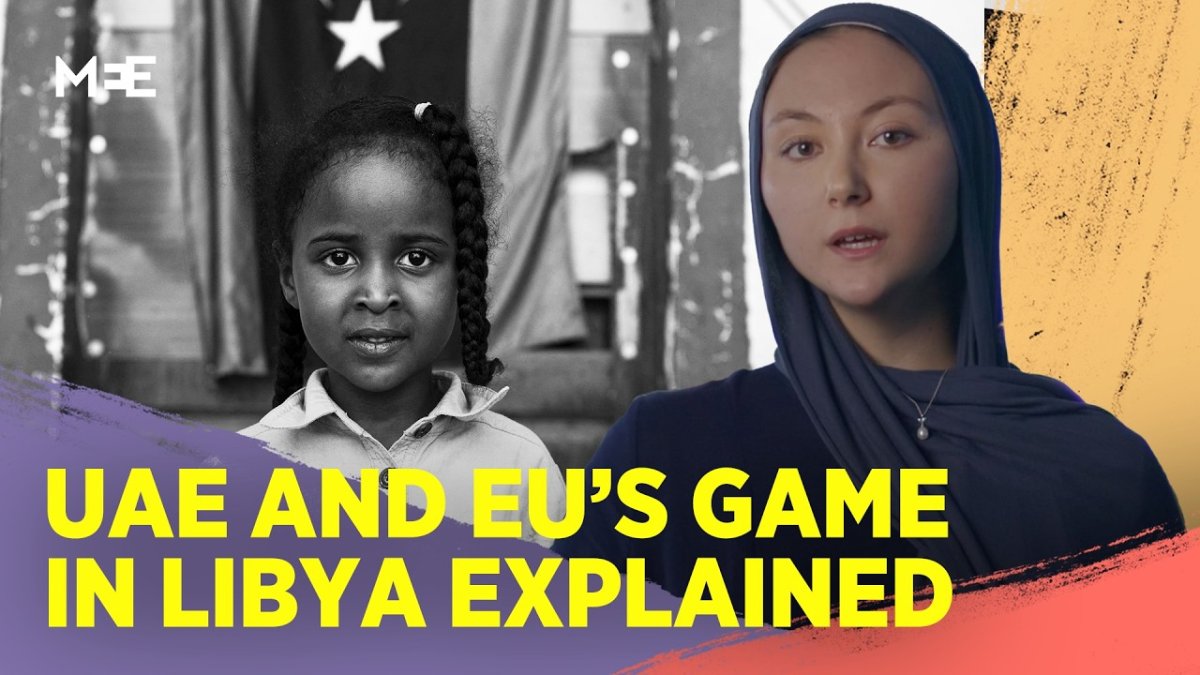
Trafficking Networks and Organized Crime
Trafficking networks in Libya operate across multiple regions with varying degrees of militia involvement. The United Nations Panel of Experts on Libya has reported that armed groups control segments of smuggling routes stretching from southern borders with Niger, Chad, and Sudan to northern departure points. These networks have adapted to changing enforcement patterns, shifting between overland and maritime methods while maintaining connections to local power structures that emerged after 2011.
Impunity remains a central feature of these operations. Libyan judicial institutions have struggled to prosecute trafficking cases amid the division between rival authorities and the influence of armed actors. The Palermo Protocol, which Libya has ratified, requires states to criminalize trafficking and protect victims, yet implementation has been hampered by the lack of a unified security apparatus capable of operating nationwide.
Organized crime groups have exploited the fragmentation of Libyan territory. IOM assessments indicate that some smuggling networks maintain relationships with detention facility operators, creating pathways where migrants are moved between exploitation sites. This dynamic has economic implications for communities along transit corridors, where informal activities tied to movement control have become embedded in local survival strategies amid high unemployment and weak state services.
International monitoring bodies have called for greater attention to the financial flows sustaining these networks. The UN Panel of Experts has traced links between trafficking revenues and the sustainment of armed groups, underscoring how criminal economies intersect with Libya's broader political instability. Without coordinated action across source, transit, and destination countries, these networks continue to adapt to enforcement measures.
International Legal Framework and Gaps
The Palermo Protocol provides an international standard for addressing trafficking, yet its application in Libya has encountered significant obstacles. Libya's divided governance structure has prevented consistent enforcement, leaving gaps that armed groups have filled. Human Rights Watch has emphasized that accountability mechanisms remain weak when violations occur within militia-controlled areas rather than under a single state authority.
European human rights obligations have come under scrutiny when returns to Libya result in documented harm. The European Court of Human Rights has issued rulings in related cases that highlight the principle of non-refoulement, yet operational practices supported by EU funding have continued. This discrepancy reveals tensions between migration management objectives and commitments under the European Convention on Human Rights.
UN agencies including UNHCR have advocated for expanded protection pathways that do not rely solely on Libyan territory. However, the absence of a functioning national asylum law in Libya limits options for individuals who cannot return to their countries of origin. The resulting protection gap affects migrants from diverse nationalities and connects to wider regional displacement patterns originating from conflicts in the Sahel and Horn of Africa.
Calls for independent investigations into abuses have been issued by multiple organizations, yet access to detention sites remains restricted. The International Organization for Migration and others have documented the need for transparent oversight, but political divisions within Libya and competing external interests have slowed progress toward establishing such mechanisms.
Regional Implications and Outlook
Neighboring countries including Tunisia, Egypt, and Niger have felt the effects of Libya's migration dynamics. Increased pressure on their own border systems has emerged as routes shift in response to enforcement changes along the Libyan coast. Regional cooperation forums have discussed joint approaches, yet differing national priorities have limited coordinated responses that address both security and humanitarian dimensions.
Economic consequences for Libya itself include the entrenchment of informal sectors linked to migration control. Communities in southern and coastal regions have developed dependencies on activities tied to transit and detention, complicating efforts to transition toward formal economic structures. This situation intersects with Libya's ongoing political negotiations aimed at unifying institutions and reducing militia influence.
Changes required to address the situation include strengthened accountability for external actors and greater investment in Libyan civil institutions. The EU Commission and member states could expand legal migration channels while conditioning assistance on verifiable improvements in detention conditions. Similarly, regional actors would need to align support for Libyan factions with commitments to human rights monitoring.
Longer-term stability in Libya depends on resolving the political divisions that have allowed trafficking networks to operate with impunity. International organizations such as the United Nations have emphasized inclusive dialogue processes that incorporate local voices from across the country. Without such foundations, external policies risk perpetuating the very conditions they seek to manage.
By Fatima Al-Rashid, Staff WriterThis article was produced with AI-assisted research and editorial support. Reporting is based on sources cited in the article.
What's Your Reaction?
 Like
0
Like
0
 Dislike
0
Dislike
0
 Love
0
Love
0
 Funny
0
Funny
0
 Wow
0
Wow
0
 Sad
0
Sad
0
 Angry
0
Angry
0

Gulf/MENA Correspondent at Global1.News. Based in Doha, covering Gulf politics, energy markets, diplomacy, and development across the Middle East and North Africa. Tracks the economic transformation of the Gulf states.










Comments (0)