
FIFA Invites Korean YouTuber to 2026 World Cup Korea-Mexico Match
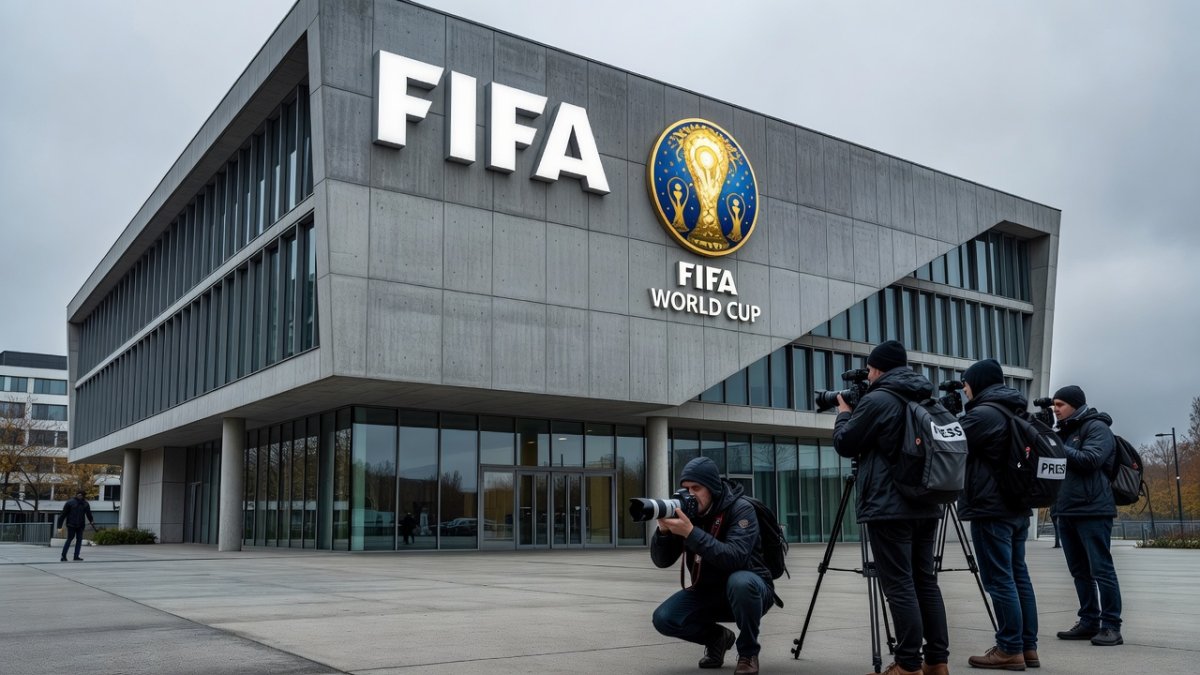
The recent decision by FIFA to extend an official invitation to a Korean YouTuber who encountered racism during a football match underscores the organization’s ongoing efforts to address discrimination in the sport. This gesture, tied directly to the Korea-Mexico encounter at the 2026 FIFA World Cup, places South Korea at the center of discussions on international sports govern
The recent decision by FIFA to extend an official invitation to a Korean YouTuber who encountered racism during a football match underscores the organization’s ongoing efforts to address discrimination in the sport. This gesture, tied directly to the Korea-Mexico encounter at the 2026 FIFA World Cup, places South Korea at the center of discussions on international sports governance and cultural representation.
FIFA's Anti-Racism Initiative and the Invitation
FIFA’s invitation to the Korean YouTuber forms part of its established anti-discrimination framework. The organization has long maintained protocols that require member associations to implement measures against racist behavior at matches. By selecting an individual who publicly documented an incident of racism, FIFA signals its intent to amplify victim perspectives within its broader campaign.
The invitation specifically targets attendance at the Korea-Mexico fixture scheduled during the 2026 tournament. This choice aligns with FIFA’s practice of linking symbolic gestures to high-profile matches involving national teams that attract diverse global audiences. South Korean football supporters, known for organized and visible presence at international events, provide an appropriate setting for such an initiative.
Korea at the 2026 World Cup: A Moment on the Global Stage
South Korea’s participation in the 2026 FIFA World Cup continues a pattern of consistent qualification for the tournament since 1986. The match against Mexico carries additional weight because both nations have histories of reaching the knockout stages in previous editions. Hosting elements of the 2026 tournament across North America further amplifies the visibility of Asian teams on an expanded global platform.
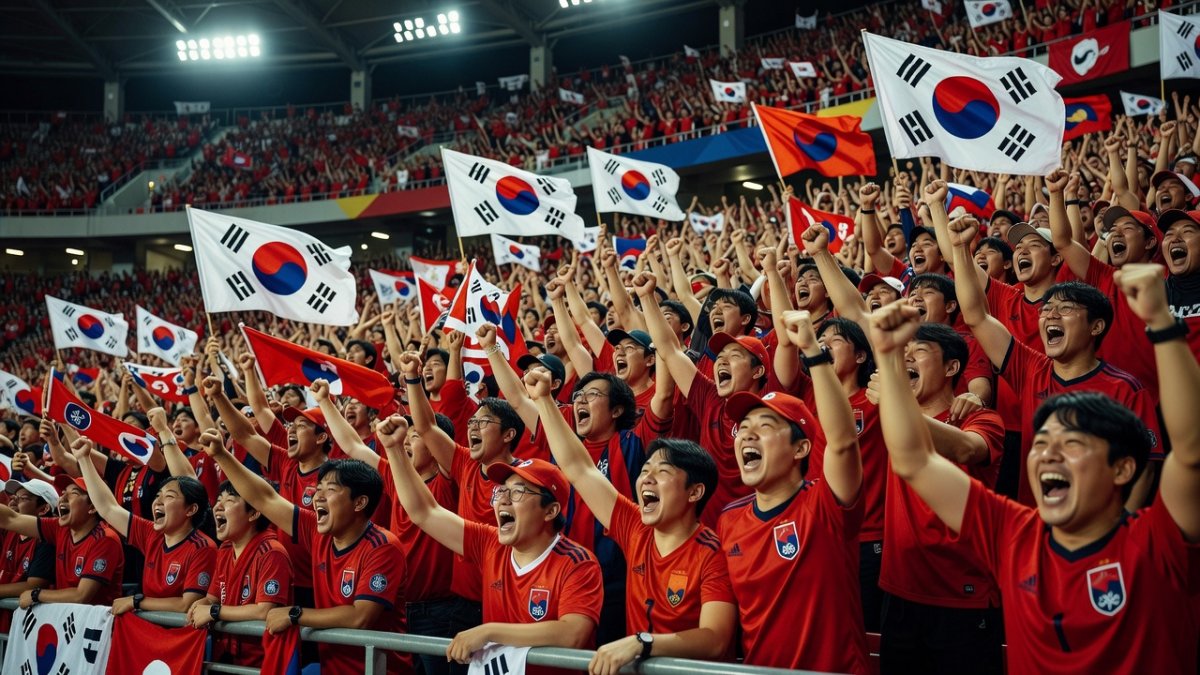
Korean football fans have cultivated an international reputation for disciplined support and cultural expression inside stadiums. Their presence at the 2026 event will intersect with FIFA’s anti-racism messaging, offering a practical demonstration of inclusive fan culture that the organization seeks to promote.
Racism in Football: FIFA's Regulatory Framework
FIFA’s regulatory approach to racism includes disciplinary measures outlined in its statutes and competition regulations. These provisions empower match officials and disciplinary committees to impose sanctions ranging from fines to point deductions and stadium closures when racist incidents are substantiated. The organization also maintains a network of independent observers tasked with monitoring behavior during qualifiers and finals.
While enforcement timelines vary by confederation, FIFA has progressively strengthened reporting requirements for national associations. The invitation extended to the Korean YouTuber illustrates one non-punitive dimension of this framework, emphasizing education and visibility alongside traditional sanctions.
South Korea's Sports Diplomacy and Soft Power
South Korea has utilized football as an instrument of sports diplomacy since the 2002 FIFA World Cup co-hosted with Japan. Subsequent participation in tournaments has reinforced national branding efforts that complement the global reach of Korean popular culture. The current FIFA invitation adds a further layer by positioning a Korean citizen as a representative voice against discrimination.
This development intersects with Korea’s broader strategy of leveraging international sporting events to project values of inclusivity and modernity. Government-supported sports initiatives have historically aligned with foreign policy objectives aimed at strengthening ties with both developed and emerging nations.
Broader Implications for Korean International Relations
The FIFA gesture carries implications for South Korea’s standing within global sports governance structures. As Asian football continues to expand its influence through confederation reforms and increased investment, incidents involving Korean supporters receive heightened scrutiny. FIFA’s public acknowledgment of a Korean victim of racism therefore serves as a form of institutional recognition that can enhance Korea’s diplomatic leverage in sports-related forums.
Inter-Korean relations remain a distant but relevant backdrop. Successful performances by the South Korean national team at major tournaments have occasionally created limited openings for cultural exchange, though political constraints continue to limit substantive cooperation in sports administration.
Looking Ahead
The 2026 FIFA World Cup will test the practical effectiveness of FIFA’s anti-discrimination measures under an expanded tournament format. South Korea’s involvement offers an opportunity to observe how the federation balances enforcement actions with symbolic gestures such as the invitation extended to the Korean YouTuber. Continued monitoring by independent bodies will determine whether such initiatives translate into measurable reductions in discriminatory incidents across confederations.
Ultimately, the episode highlights the intersection of individual experience, institutional policy, and national soft power within the evolving landscape of international football governance.
By Prof. David Park, Staff Writer
This article was produced with AI-assisted research and editorial support. Reporting is based on sources cited in the article.
What's Your Reaction?
 Like
0
Like
0
 Dislike
0
Dislike
0
 Love
0
Love
0
 Funny
0
Funny
0
 Wow
0
Wow
0
 Sad
0
Sad
0
 Angry
0
Angry
0

East Asia/Technology Correspondent at Global1.News. Seoul-based voice covering Korean politics, technology, business, and culture. Analyzes how technology and geopolitics intersect across East Asia.















Comments (0)