
Topos Azteca Brigade Supports Venezuela Earthquake Recovery
Topos Azteca Brigade Supports Venezuela Earthquake Recovery Founded after the 1985 Mexico City quake, Mexican Topos Azteca rescuers arrive in Caracas and La Guaira after twin June 24 earthquakes that killed nearly 2,300. **Keywords:** Topos Azteca, Venezuela earthquakes, Mexican volunteers, rescue brigade, 1985 Mexico City quake, international aid, Caracas La Guaira, volunteer
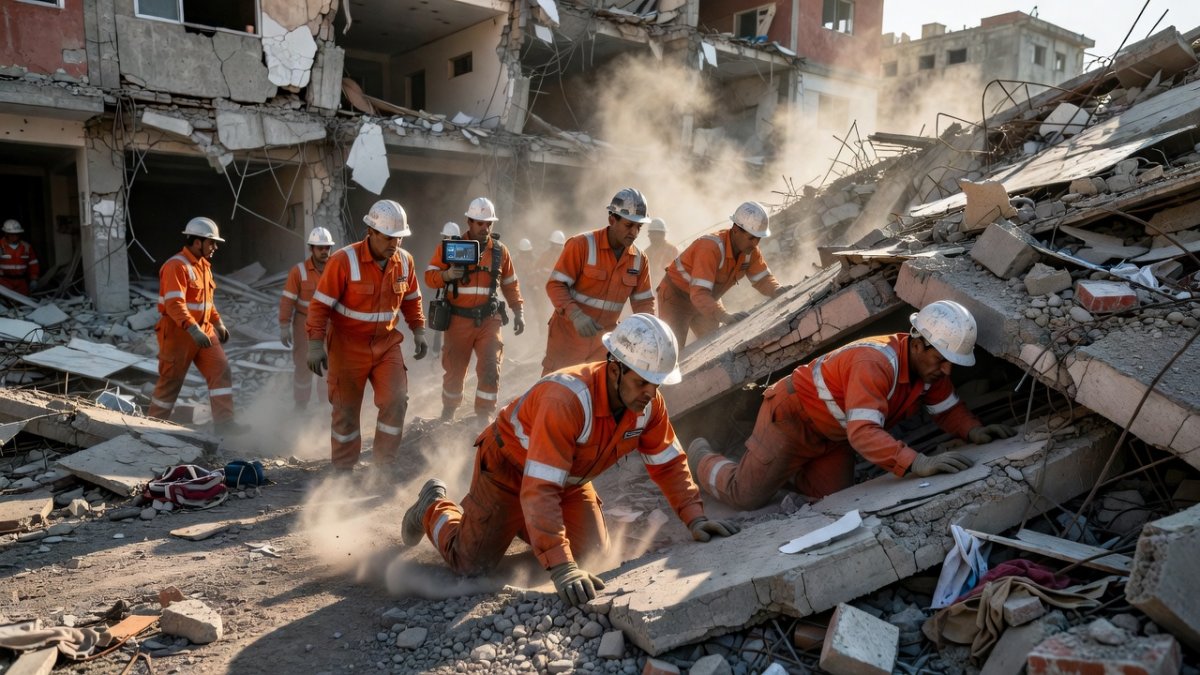
Topos Arrive in Venezuela
Members of Mexico's Topos Azteca International Brigade arrived in Venezuela after the twin 7.2 and 7.5 magnitude earthquakes struck on June 24. They joined international rescue efforts in Caracas and La Guaira. The group is named "topos" (moles) for their ability to crawl through rubble. This arrival marked another chapter in their long history of helping communities struck by disaster.
The brigade members traveled quickly to reach the hardest-hit areas in Caracas and La Guaira. Their expertise allowed them to begin work right away alongside other international teams. The name "topos" reflects how these volunteers move through collapsed structures with care and precision. Every action they take builds on lessons learned from past missions.
Upon landing, the Topos Azteca assessed the situation in both Caracas and La Guaira. They prepared their equipment and coordinated with local authorities. The twin earthquakes created widespread damage that required immediate attention from skilled rescuers. Their presence brought hope to residents facing the aftermath.
The volunteers focused on the unique challenges of the Venezuelan terrain after the June 24 events. They shared knowledge with other teams already on the ground. The brigade's reputation for crawling through rubble helped them integrate smoothly into ongoing operations. This deployment continues their tradition of rapid response.
The Rescuers
Miguel Jiménez Pérez, a 46-year-old veterinarian from Hidalgo, has been working amid "mountains of rubble" since arriving. He has served as a Topos Azteca member for over a decade and described the situation as a "true tragedy" in a Facebook video. Jiménez works purely as a volunteer without any expectation of pay. His dedication shows the deep commitment many brigade members feel toward helping others.
Merry Valencia recited the group's code during the mission in Venezuela. She emphasized that "There is no hunger, no heat, no sleep" when lives are at stake. Valencia and her teammates split into small groups to cover more ground efficiently. Their approach relies on careful planning and mutual support at every step.
Germán Bello, a 39-year-old auto repair shop owner, carried body bags to Venezuela as part of the effort. He works alongside Mexican military personnel and rescue dogs to search through debris. Bello noted that the team uses thermal cameras and simple tools like shovels and hand hammers. They move inch by inch to ensure nothing is missed in the rubble.
The rescuers assess structural stability before entering any collapsed area in Caracas or La Guaira. Jiménez plans to stay for two months to support the long recovery process. Bello does not yet know when he will return home because the work continues without a fixed end date. Together they demonstrate how ordinary professionals transform into skilled responders.
The Human Toll
The quakes killed close to 2,300 people and injured over 11,000. This loss has left families across Caracas and La Guaira searching for answers. The scale of the tragedy requires both rescue and recovery operations to run side by side. Every statistic represents real people whose lives changed on June 24.
Bello told AP that "The hardest part is telling someone that their loved one has died." He carries this emotional weight while continuing his volunteer duties each day. The search is shifting from rescue to recovery as time passes after the twin earthquakes. Team members support one another through these difficult conversations.
Jiménez will stay two months to help with the extended recovery phase in Venezuela. He works amid mountains of rubble while keeping the human stories in mind. The injured count of over 11,000 adds pressure to locate survivors quickly. Bello and his colleagues remain focused despite the growing challenges.
The human toll continues to affect both local residents and the international volunteers. Close to 2,300 deaths remind everyone why the Topos Azteca code matters so much. Recovery efforts now include careful documentation of each site in Caracas and La Guaira. The brigade members carry these experiences back to their communities in Mexico.
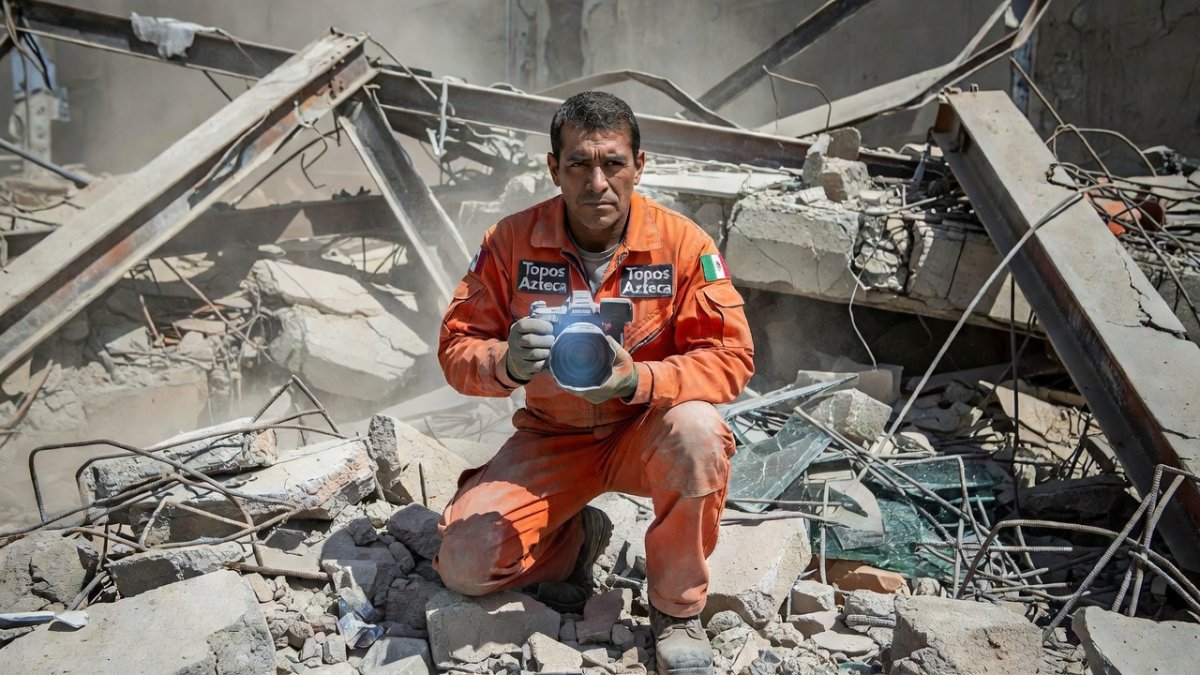
Born From the 1985 Mexico City Earthquake
Héctor "El Chino" Méndez, now 80, founded the brigade after the September 19, 1985 Mexico City earthquake. He searched for his brother in the Guerrero neighborhood during those early days. Méndez then worked 10 hours with military police to rescue a woman in Tlatelolco. That experience shaped the values that still guide the Topos Azteca today.
After finding his brother and completing the Tlatelolco rescue, Méndez decided to create a permanent volunteer group. He has led the brigade for four decades with steady commitment. At 80 years old, Méndez still participates in rescue work and even traveled to Venezuela. His story inspires newer members who join the effort.
The 1985 earthquake taught Méndez the importance of organized volunteer response. He built the brigade around the lessons learned in Guerrero and Tlatelolco. Today the group applies those same principles in Caracas and La Guaira. Méndez remains an active presence even as the organization grows.
Many current members trace their motivation directly to the founding story from 1985. The September 19 disaster showed how ordinary citizens could save lives with determination. Méndez passed this spirit to generations of volunteers who now operate worldwide. His leadership continues to influence every deployment.
Global Reach
The Topos Azteca have participated in over 70 operations across five continents. Their deployments include Chile in the 2010 mining accident and Indonesia after the 2004 tsunami. They also responded in the United States to the 2001 Twin Towers attacks and the 2021 Miami collapse. Each mission builds on the experience gained since 1985.
Additional operations have taken the brigade to Haiti, Turkey, Morocco, New Zealand, Brazil, and Spain. In every location they work with local teams and use the same careful methods developed in Mexico City. The five-continent reach shows how the volunteer model travels well across borders. Over 70 operations represent decades of consistent service.
The Venezuela mission fits into this long pattern of international aid. Brigade members bring thermal cameras and rescue dogs wherever they go. Past work in Chile and Indonesia prepared them for the conditions found in Caracas and La Guaira. Their global experience helps them adapt quickly to new challenges.
Communities around the world have come to recognize the Topos Azteca symbol during major disasters. The 2001 and 2021 United States responses highlight their ability to assist in urban collapse situations. Each new deployment adds to the knowledge shared among members. This reach keeps the founding ideals alive across borders.
The Mexican Volunteer Spirit
The brigade works purely on volunteer spirit with no pay and no formal funding. Members like Jiménez and Bello leave their regular jobs to serve in places such as Venezuela. Their work connects Mexican communities to global disasters through personal sacrifice. This approach keeps the focus on helping rather than profit.
The lesson from 1985 continues through every new generation of volunteers. Ordinary Mexicans show extraordinary generosity when they join the Topos Azteca. They carry body bags, operate thermal cameras, and comfort families without expecting recognition. The spirit remains rooted in the original response to the Mexico City earthquake.
Community support in Mexico helps sustain the brigade between missions. Families and local businesses often contribute supplies even though no formal funding exists. This network allows the volunteers to reach Caracas, La Guaira, and many other sites. The connection between Mexican communities and international disasters grows stronger with each deployment.
The volunteer model ensures that decisions stay focused on the people in need. Bello and Jiménez represent the many professionals who give their time freely. Their actions in Venezuela reflect the same generosity that began in 1985. This spirit continues to guide the brigade through its next forty years of service.
Tags: Topos Azteca, Venezuela earthquakes, Mexican volunteers, international rescue, 1985 Mexico City quake
By Rosa Martinez, Staff Writer
This article was produced with AI-assisted research and editorial support. Reporting is based on sources cited in the article.
What's Your Reaction?
 Like
0
Like
0
 Dislike
0
Dislike
0
 Love
0
Love
0
 Funny
0
Funny
0
 Wow
0
Wow
0
 Sad
0
Sad
0
 Angry
0
Angry
0
Latin America/Andes Correspondent at Global1.News. Based in Bogota, covering politics, environment, energy, and social movements across the Andean region. Passionate about environmental journalism and communities protecting their land.











Comments (0)