
Carney, Smith Submit West Coast Pipeline Proposal
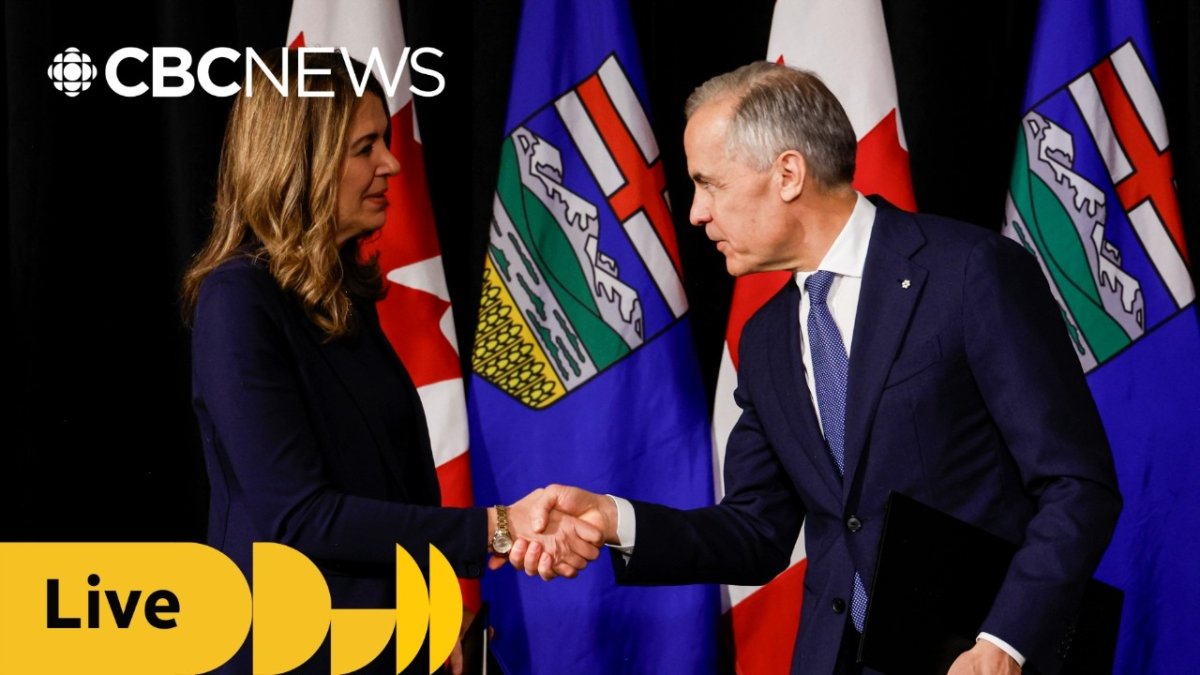
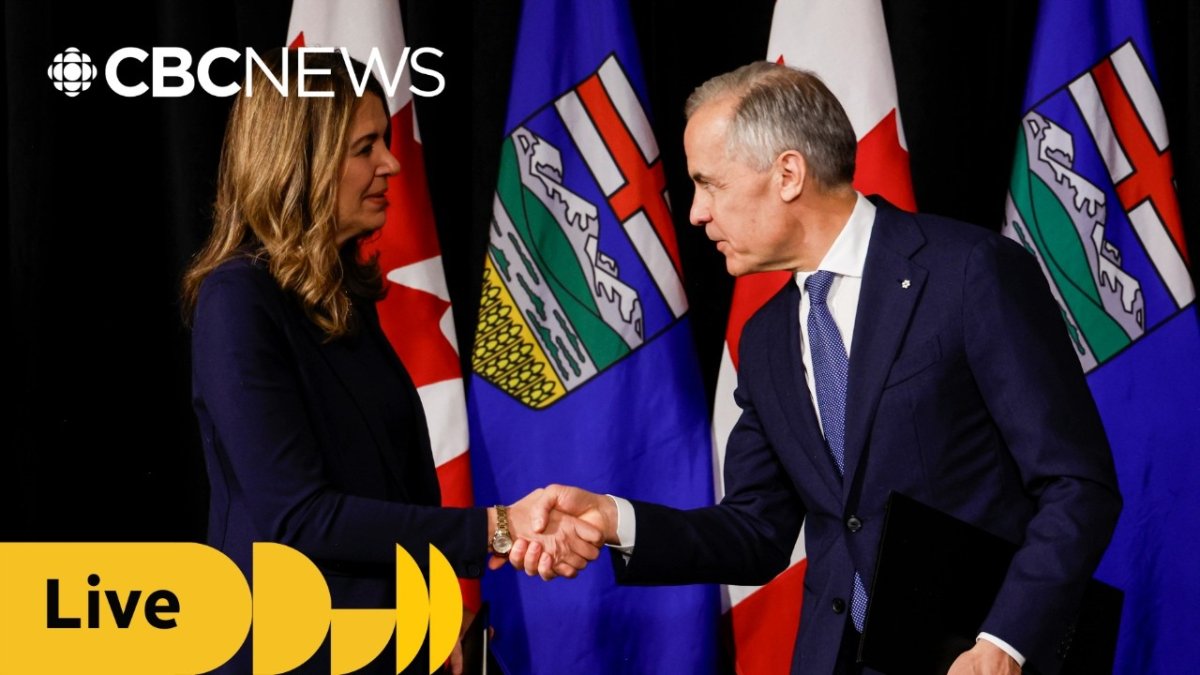
In the CBC News video broadcast this evening, Prime Minister Mark Carney outlined the joint pipeline proposal with Alberta Premier Danielle Smith following meetings in Vancouver and Calgary. The announcement came hours after the July 1 deadline set by Smith. This filing with the Major Projects Office positions the project as one of national interest. Historical tensions over en
In the CBC News video broadcast this evening, Prime Minister Mark Carney outlined the joint pipeline proposal with Alberta Premier Danielle Smith following meetings in Vancouver and Calgary. The announcement came hours after the July 1 deadline set by Smith. This filing with the Major Projects Office positions the project as one of national interest. Historical tensions over energy infrastructure date back to the 2010s when the original Trans Mountain Expansion faced repeated court challenges and Indigenous blockades, ultimately costing taxpayers $34 billion in federal acquisition and overruns by 2024. Carney referenced these lessons explicitly, noting that shared governance models learned from that experience would prevent similar delays. Alberta has long advocated for tidewater access since the 1980s National Energy Program disputes, with Western Canadian Select trading at discounts of up to $40 per barrel relative to Brent crude during peak bottlenecks in 2022.
Carney and Smith Submit West Coast Pipeline Proposal
Calgary, Alberta — On Thursday, July 2, 2026, Prime Minister Mark Carney and Alberta Premier Danielle Smith submitted the West Coast Pipeline Proposal at Trans Am Piping Products in Calgary. The filing with the federal Major Projects Office designates the project as one of national interest. Carney and Smith presented the southern route plan after Carney met British Columbia Premier David Eby earlier that day in Vancouver. The consortium includes TMX Crown corporation, Pembina Pipeline Corp, ATCO Ltd, and the Alberta Indigenous Opportunities Corp. Construction could begin in September 2027 under a public-private partnership model. Smith had set the July 1 deadline for the proposal submission. During the press conference, Carney quoted former Prime Minister Pierre Trudeau’s 1980 energy remarks, stating that “Canada must control its own resources for future generations.” Smith added that Alberta’s oil sands production, currently at 3.4 million barrels per day according to Alberta Energy Regulator data, requires expanded export capacity to avoid shut-ins projected by 2028 if no new outlets emerge. Industry analysts from Scotiabank noted the partnership could attract $12 billion in private capital, citing reduced litigation risk compared to the 2019 Federal Court of Appeal ruling that halted TMX temporarily.
Pipeline Route and Capacity
The proposed pipeline would follow a southern route along the existing TMX right-of-way through British Columbia. It would carry one million barrels per day to Asian export markets via tidewater terminals. The consortium members comprise TMX Crown corporation, Pembina Pipeline Corp, ATCO Ltd, and the Alberta Indigenous Opportunities Corp. This public-private partnership model aims to share costs and risks among federal, provincial, and private entities. Construction is slated to start in September 2027 pending approvals. The route avoids new greenfield corridors by leveraging the TMX corridor completed in 2024. Pembina CEO Scott Burrows stated at the event that the 1,200-kilometre southern alignment reuses 87 percent of existing TMX easements, cutting environmental disturbance by an estimated 65 percent versus a northern alternative. Capacity targets one million barrels per day, providing direct access for Canadian crude to Pacific Rim buyers. Asian markets in China, Japan, and South Korea have shown demand for Canadian heavy oil grades, with Japan’s JERA signing letters of intent for 250,000 barrels daily contingent on 2028 delivery. The Alberta Indigenous Opportunities Corp participation ensures equity stakes for First Nations communities along the route, allocating 15 percent ownership to groups including the Stó:lō Nation and Secwépemc communities. This structure builds on lessons from the TMX project, which finished $34 billion over its original budget in 2024. Federal officials expect the partnership to reduce cost overruns through shared governance, projecting total capital costs at $18.7 billion with federal guarantees covering 30 percent. Statistics Canada data shows Canadian crude exports to Asia rose 42 percent post-TMX completion, validating market demand forecasts from the Canada Energy Regulator’s 2025 outlook.
The Canada-BC Prosperity Agreement
Earlier on Thursday, Prime Minister Mark Carney met British Columbia Premier David Eby in Vancouver to sign the Canada-BC Co-operative Prosperity Agreement. The multibillion-dollar deal accelerates four LNG projects: LNG Canada, Ksi Lisims, Prince Rupert Gas, and Cedar/Woodfibre. The north coast tanker ban for vessels over 12,500 metric tons remains fully protected under the agreement. TMX throughput will increase from 890,000 to 1.2 million barrels per day through existing infrastructure upgrades. No specific dollar figure was released for the overall package. The agreement links pipeline development with LNG expansion while maintaining environmental safeguards on the north coast. Eby secured commitments that protect the tanker ban in exchange for provincial support on southern route permitting. Carney described the deal as a model of co-operative federalism that balances economic growth with regional concerns. Provincial officials in British Columbia will now begin reviewing permitting applications tied to the LNG accelerations. BC’s LNG sector, according to 2025 Natural Resources Canada figures, is projected to reach 48 million tonnes annual export capacity by 2030, generating $7 billion in annual royalties. Eby emphasised that the southern pipeline route avoids the ecologically sensitive Great Bear Rainforest, citing a 2023 federal marine risk assessment showing zero increase in northern tanker traffic. Historical context includes the 2018 tanker ban legislation passed after the Kinder Morgan protests, which Eby’s NDP government upheld despite Alberta’s 2019 trade barrier threats. Industry analysis from Deloitte Canada forecasts the combined pipeline-LNG package could add 42,000 direct jobs across Western Canada by 2031, with 60 percent of construction employment sourced from British Columbia and Alberta unions.
Carbon Pricing and the Broader Energy Framework
The May 2026 memorandum of understanding established carbon pricing commitments of $170 per tonne by 2030 and $130 per tonne by 2040. Alberta Premier Danielle Smith described the carbon price trajectory as a pretty big concession during the Calgary announcement. The November 2025 memorandum of understanding provided the foundation for these targets within the national building plan. The Major Projects Office will assess how the pipeline proposal aligns with these carbon commitments during its review. Smith noted that the framework allows Alberta to maintain oil production growth while meeting federal climate obligations. The carbon pricing schedule integrates with the broader energy strategy that includes both pipeline and LNG components. Federal officials view the agreement as a way to reduce litigation risks that delayed TMX. The Major Projects Office timeline will incorporate carbon pricing compliance checks before any construction permits are issued. Under the 2025 federal-provincial climate accord, Alberta’s oil sands operators must achieve a 38 percent emissions intensity reduction by 2035, supported by $2.6 billion in federal technology funds announced by Environment Minister Julie Dabrusin. Smith quoted the 2024 Alberta Climate Leadership Panel report, highlighting that carbon capture utilisation and storage projects at facilities like the Pathways Alliance could sequester 22 million tonnes annually by 2030. Industry analysts from Wood Mackenzie project that the combined carbon and pipeline framework will stabilise Alberta’s royalty revenues at $19 billion annually, reversing a 2023 decline caused by discounted heavy oil prices. The agreement also aligns with Canada’s 2030 Paris target of 40 percent emissions reduction below 2005 levels, with the Major Projects Office requiring quarterly compliance audits modelled after the successful TMX Indigenous monitoring program.
Political Reactions and Stakeholder Positions
British Columbia Premier David Eby stated that the agreement rewards bad behaviour by Alberta on past pipeline disputes. Conservative Leader Pierre Poilievre said Carney is not moving fast enough on approvals. Smith called the announcement a good day for Canada during the Calgary event. Carney emphasised trust and co-operative federalism as essential for project success. The NDP and Green Party raised environmental concerns about increased oil transport volumes. Both parties called for stricter Indigenous consultation requirements before any approvals. First Nations groups along the route have already begun internal reviews of the consortium equity offers. Environmental organisations announced plans to challenge the project in federal court if the Major Projects Office grants early approvals. Poilievre, speaking in Ottawa, criticised the 18-month regulatory timeline as “glacial,” referencing his party’s 2024 platform promise of six-month approvals for major projects. Green Party Leader Elizabeth May cited a 2025 Pembina Institute study showing lifecycle emissions from the new capacity would equal 12 million tonnes of CO2 annually, exceeding Canada’s remaining carbon budget for the oil sector. Alberta’s United Conservative caucus praised Smith’s negotiation, noting a 2023 Leger poll showing 68 percent provincial support for new pipelines. Meanwhile, the Assembly of First Nations’ regional chief, Terry Teegee, confirmed that 14 of 22 affected nations have entered equity discussions, building on the successful 2024 TMX Indigenous equity model that distributed $1.1 billion in benefits.
What This Means for Canadian Energy Markets
Canada ranks as the fourth-largest oil producer globally yet continues to face pipeline capacity constraints to tidewater. The TMX project finished $34 billion over budget when completed in 2024, highlighting chronic cost challenges. Alberta has pushed for tidewater access for decades to reduce the Canadian oil price discount to global benchmarks such as Brent. The tanker ban has remained a decade-long flashpoint between western provinces and coastal communities. Successful approval would narrow the discount for Western Canadian Select crude by increasing Asian market access. The project could strengthen federal-provincial relations after years of conflict over energy infrastructure. Energy security analysts note that diversified export routes reduce reliance on United States refineries. Market analysts project that one million barrels per day of new capacity would support higher netbacks for Alberta producers within two years of operation. The Canada Energy Regulator’s 2025 report indicates current export capacity utilisation sits at 94 percent, leaving minimal buffer during maintenance outages. Historical price data from 2018-2023 shows the WCS-Brent differential averaged $18.40 per barrel, costing Alberta producers an estimated $14 billion annually. Asian demand growth, particularly from South Korea’s refining sector, is forecast by the International Energy Agency to reach 1.8 million barrels per day of heavy crude imports by 2030. The new pipeline would position Canada to capture 12 percent of that market, according to TD Economics modelling, improving producer netbacks by $7.50 per barrel and generating an additional $2.8 billion in annual provincial royalties.
What Happens Next
The Major Projects Office will conduct its review over the coming months, with a decision expected before the end of 2026. Regulatory approvals must address federal environmental assessments and the carbon pricing commitments. Indigenous consultation processes will run parallel to the federal review, involving multiple First Nations along the southern route. British Columbia will handle provincial permitting for the sections within its borders. If approved, construction could begin in September 2027 with first oil flowing by late 2029. The timeline overlaps with the next federal election cycle, making the project a potential campaign issue. Success would position Canada as a more reliable energy exporter to Asia while testing the durability of the Canada-BC Co-operative Prosperity Agreement. Federal officials have indicated that further LNG accelerations depend on smooth pipeline permitting. The Major Projects Office, established under the 2025 Budget Implementation Act, operates under a 450-day statutory clock, with public hearings scheduled in Kamloops and Chilliwack beginning October 2026. Environmental assessment guidelines require cumulative effects modelling incorporating the 2024 wildfire season data that burned 1.2 million hectares in British Columbia. First Nations engagement follows the United Nations Declaration on the Rights of Indigenous Peoples framework, with funding of $48 million allocated for capacity building. Analysts from the Conference Board of Canada warn that any court challenge could extend timelines by 14 months, potentially pushing first oil into 2030 and affecting Canada’s G7 energy security commitments made at the 2025 summit in Kananaskis.
By Alex Thompson, Staff Writer
This article was produced with AI-assisted research and editorial support. Reporting is based on sources cited in the article.
What's Your Reaction?
 Like
0
Like
0
 Dislike
0
Dislike
0
 Love
0
Love
0
 Funny
0
Funny
0
 Wow
0
Wow
0
 Sad
0
Sad
0
 Angry
0
Angry
0

Canada Correspondent at Global1.News. Based in Toronto, covering Canadian politics, energy, trade, and US-Canada relations. Provides the Canadian perspective on North American and global affairs.














Comments (0)