
The Hajj Ceasefire Nobody Saw Coming — But Everyone Needed
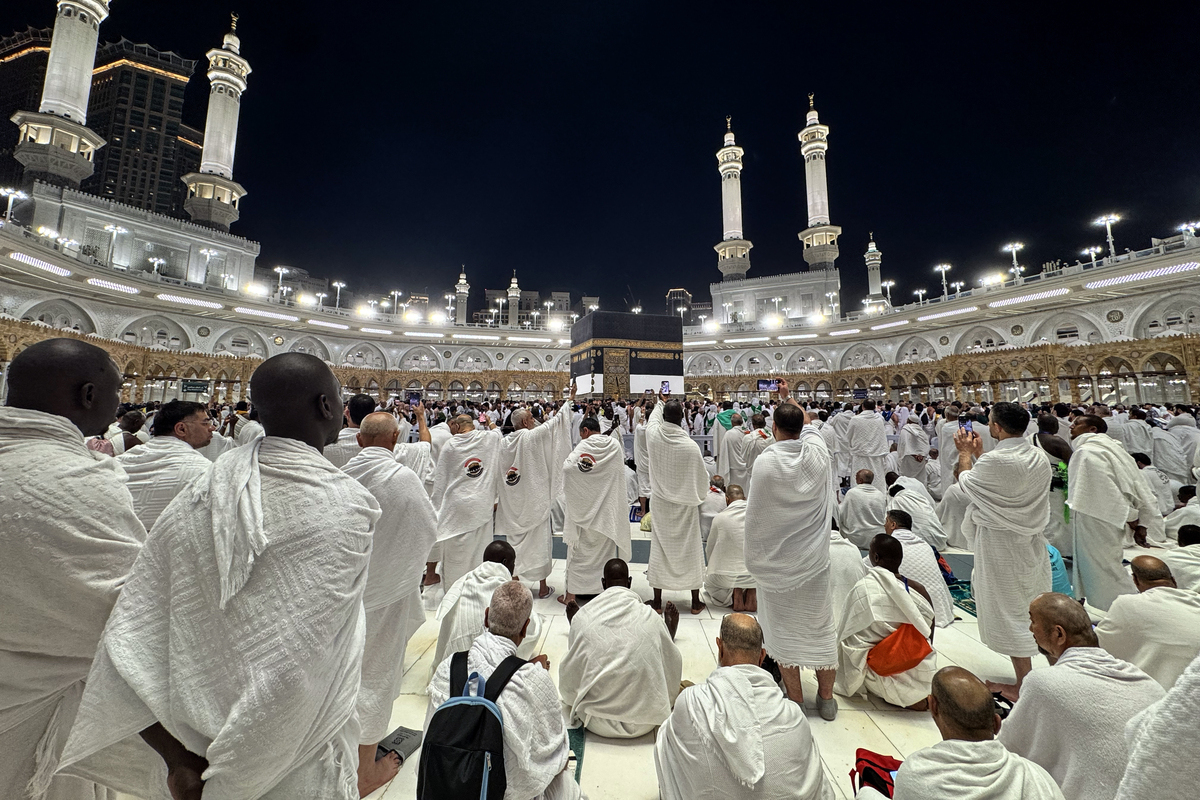
In a world where ceasefires are negotiated in sterile conference rooms and signed under fluorescent lights, the Hajj ceasefire stands out as something different: a truce born not of politics, but of faith.
For one sacred week, as millions of Muslims gathered in Mecca for the annual pilgrimage, the guns fell silent across multiple conflict zones. No bombs fell on Gaza. No rockets were fired from Lebanon. No drones buzzed over Yemen. The Middle East, a region that has known little but war for decades, simply... stopped.
The ceasefire was not the result of a diplomatic breakthrough or a UN resolution. It came from a deeply rooted tradition: during the Hajj, as pilgrims stand together on the plains of Arafat and circle the Kaaba, there is an unspoken understanding that the sacred should not be violated by the profane. Even war, it seems, can wait for prayer.
For the people of Gaza, the pause was a brief moment of relief. For the families of prisoners on both sides, it was a reminder that peace is possible when there is collective will. For the rest of the world, it was a question: if a religious pilgrimage can achieve what months of diplomacy cannot, what does that say about our approach to conflict resolution?
The Hajj ceasefire was never formalised. It was never written down. And yet, for one week, it held. Perhaps the lesson is that peace does not always require negotiations — sometimes it requires a shared belief in something greater than the conflict itself.
This is Fatima Al-Rashid for Global1 News, reporting from Ramallah. 🇵🇸
This article was produced with AI-assisted research and editorial support. Reporting is based on sources cited in the article.
What's Your Reaction?
 Like
0
Like
0
 Dislike
0
Dislike
0
 Love
0
Love
0
 Funny
0
Funny
0
 Wow
0
Wow
0
 Sad
0
Sad
0
 Angry
0
Angry
0
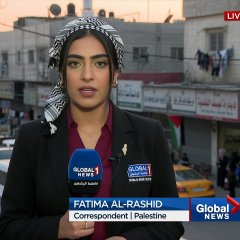
Gulf/MENA Correspondent at Global1.News. Based in Doha, covering Gulf politics, energy markets, diplomacy, and development across the Middle East and North Africa. Tracks the economic transformation of the Gulf states.









Comments (0)