
Sufi Culture Festival of Fez: Celebrating Morocco's Spiritual Heritage Through Art and Music
The Fez Sufi Culture Festival stands as a vital bridge linking Africa's rich spiritual traditions with global expressions of faith and art. Rooted in centuries-old Sufi practices that have shaped communities from Senegal to Morocco, this event highlights the continent's deep heritage of mysticism and cultural exchange through music, poetry, and ritual. Sufi Culture Festival of
The Fez Sufi Culture Festival stands as a vital bridge linking Africa's rich spiritual traditions with global expressions of faith and art. Rooted in centuries-old Sufi practices that have shaped communities from Senegal to Morocco, this event highlights the continent's deep heritage of mysticism and cultural exchange through music, poetry, and ritual.
Sufi Culture Festival of Fez: Celebrating Morocco's Spiritual Heritage Through Art and Music
Fez, Morocco — The 17th edition of the festival took place from October 18-25, 2025, drawing approximately 200 artists, researchers, and musicians from Morocco, Senegal, Turkey, Spain, and India to celebrate Sufi heritage.
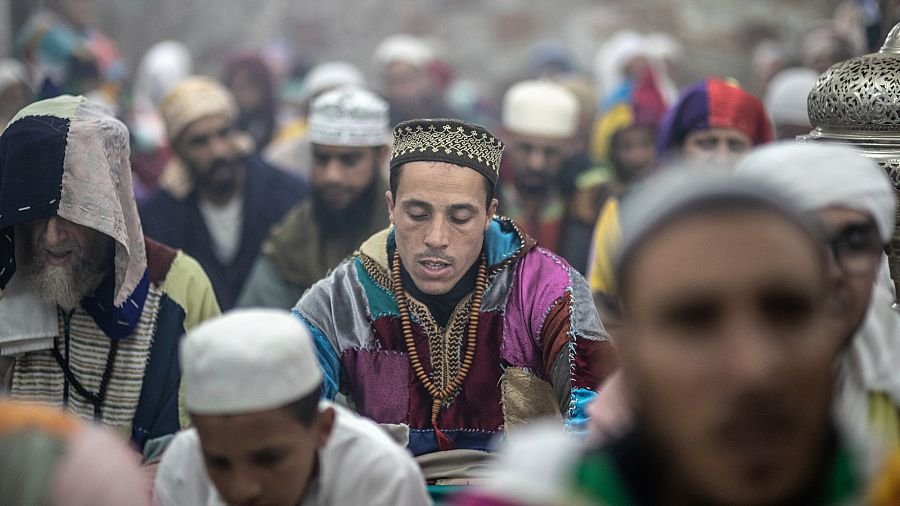
A Gathering of Mystics: The 17th Edition Unfolds in Fez
The 17th edition of the Sufi Culture Festival of Fez opened its doors on October 18, 2025, and ran through October 25 in the historic city of Fez, Morocco. Approximately 200 artists, researchers, and musicians arrived from Morocco, Senegal, Turkey, Spain, and India to share their traditions over eight days of performances and discussions. The festival was founded in 2007 and has grown into one of the most important platforms for Sufi expression on the continent.
Fez has served as a major historical centre for Sufism for centuries, earning its reputation as Morocco's spiritual capital and a museum in the open air where every alley tells stories of devotion. The narrow streets of Fez's Old City, known as Fes el-Bali, welcomed visitors during the event. This district holds UNESCO World Heritage status and provided the perfect backdrop for the gatherings.
The festival is organized by the Fez Sufi Culture Festival Association under the patronage of King Mohammed VI, ensuring strong institutional support for its mission. Activities filled the medina with energy, from dawn chants to evening concerts. The setting allowed participants to experience Sufi culture in its authentic environment rather than in distant concert halls.
Local residents opened their homes and riads to host informal sessions, creating an intimate atmosphere that reflected Fez's long tradition of hospitality. The Old City's layout encouraged spontaneous encounters between artists from different countries. This organic flow strengthened the sense of community that defines the festival each year.
By hosting the event in Fes el-Bali, organizers preserved the connection between place and practice that has sustained Sufism in Morocco for generations. The 17th edition built on this foundation while expanding its reach across Africa and beyond.
Living Poetically: Art and Spirituality Converge
The 2025 theme, Living Poetically: Art and Spirituality, invited participants to explore how creative expression reveals deeper spiritual truths. Festival president Faouzi Skali described the focus as an opportunity to examine the intangible capital and immaterial wealth of Sufi culture. This approach moved beyond performance to consider poetry, music, and visual art as pathways to the divine.
Sufism represents a form of Islamic mysticism that emphasizes direct experience of the divine through personal devotion and communal ritual. The theme encouraged artists to demonstrate how these practices translate into tangible works that audiences can feel and understand. Workshops and round tables examined the role of creativity in sustaining faith across generations.
Goals of the festival include promoting Sufi heritage and arts while advancing spiritual values such as equality and tolerance. These principles resonated strongly with participants from Senegal and other African nations where Sufi orders have long promoted social harmony. The event positioned Sufism as a living tradition rather than a historical relic.
Across the week, painters displayed works inspired by Sufi poetry while calligraphers created pieces that blended Arabic script with African motifs. Conferences explored how Sufism is practised around the world, from North African zawiyas to South Asian khanqahs. This global perspective highlighted shared roots while respecting regional differences.
The theme ultimately reminded attendees that spiritual life gains depth when expressed through beauty and creativity. By linking art directly to devotion, the festival offered a model for preserving intangible heritage in modern times.
Voices from the Festival: Artists on Preserving Heritage
Artist Ayoub Hanine spoke during one of the round tables about the responsibility of keeping traditions vibrant. He stated, "One of the messages we wish to convey is that we are working hard to keep this heritage alive at all times and in all places". His words captured the dedication of Moroccan artists who view their craft as a form of transmission rather than mere performance.
Hanine further emphasized the need to pass these traditions to future generations through education and public events. He described how young musicians in Fez now study both classical Sufi forms and contemporary interpretations. This balance ensures that the heritage evolves without losing its core spiritual purpose.
Mohamad Aslam Sabri from India explained his participation by noting, "We have come here to Morocco to tell the audience about Indian music and how we use this music in India". His presence illustrated the festival's success in bringing together diverse Sufi traditions from across continents. Sabri's performances introduced qawwali elements that resonated with Moroccan audiences familiar with similar rhythmic structures.
The gathering allowed musicians from Senegal to share their own adaptations of Sufi chants, creating dialogues that crossed the Sahara. Hadra and dhikr gatherings featured chanting, movement, and traditional instruments that invited audience participation. These sessions demonstrated how Sufi music functions as both worship and cultural preservation.
Artists agreed that such exchanges prevent traditions from becoming isolated. The festival provided a rare space where Senegalese, Turkish, and Indian practitioners could learn from one another while honoring their distinct lineages.
Music and Ritual: The Sound of Sufi Devotion
Moroccan Sufi musical groups from orders such as Boutchichiyya, Qadiriyya, Aissawa, and Hamadcha performed throughout the week. Each order brought its distinctive style, from the measured rhythms of the Boutchichiyya to the energetic processions of the Aissawa. These performances took place in historic venues within Fes el-Bali, enhancing their spiritual impact.
Traditional instruments anchored every session. The ney flute produced haunting melodies that evoked longing for the divine, while the oud lute provided melodic foundations. Drummers played the daf and bendir to drive the collective energy of dhikr circles. Audiences often joined in the clapping and movement that characterize these rituals.
Whirling dervish traditions from Turkish Sufi orders offered a visual counterpart to the music. Dancers in white robes spun in precise patterns that symbolized spiritual ascent. Their presence at the festival underscored the connections between North African and Anatolian expressions of Sufism.
Qawwali music from the Indian subcontinent added another layer, with powerful vocal harmonies that filled the courtyards. The festival featured musical performances, chanting sessions, and praise sessions alongside visual displays. Paintings and calligraphic writings were also on display, creating a complete sensory experience of Sufi devotion.
These elements combined to show how sound and movement serve as direct routes to spiritual experience. The variety of instruments and styles demonstrated the richness of Sufi musical heritage across regions.
Africa's Spiritual and Cultural Renaissance
Senegal maintains a deep connection to Sufism through the Tijaniyya order, founded by Sheikh Ahmed Tijani, whose mausoleum stands in Fez. This order ranks among the largest Sufi orders in West Africa and influences daily life, politics, and artistic expression across Senegal. Many Senegalese pilgrims travel to Fez each year to honor this shared heritage.
Senegal's Mouride and Tijani brotherhoods have shaped the country's music and culture for generations. Artists from these communities often blend Sufi poetry with local rhythms, creating sounds that travel from Dakar to Fez. The festival highlighted these links by inviting Senegalese performers who trace their spiritual lineage directly to Moroccan sources.
Fez serves as a pilgrimage destination for West African Sufis seeking connection to their historical roots. The 17th edition reinforced this role by dedicating sessions to African Sufi traditions. Participants discussed how these practices support social cohesion and ethical living in their home countries.
The festival contributes to preserving intangible cultural heritage across Africa by providing a platform for exchange. Similar events in other nations, such as gatherings in Touba, Senegal, or Timbuktu, Mali, pursue parallel goals of keeping spiritual arts alive. These festivals collectively strengthen the continent's cultural fabric.
By centering African voices, the event in Fez reminded attendees that Sufism remains a living force in contemporary society rather than a relic of the past. The connections forged here support ongoing cultural renaissance across the Sahel and beyond.
Fez and the Future of Sufi Cultural Heritage
The festival's growing international participation signals its increasing importance as a global meeting point. Artists from five countries in 2025 expanded the conversation beyond Morocco's borders. This growth reflects rising interest in Sufi traditions among younger audiences worldwide.
Sufi tourism has become a cultural and economic force for Fez and Morocco. Visitors drawn to the festival support local artisans, guides, and hospitality providers while deepening their understanding of spiritual heritage. The economic benefits help sustain the very communities that preserve these traditions.
Cross-cultural dialogue between African, Asian, and European Sufi traditions enriched every session. Senegalese musicians exchanged techniques with Turkish dervishes, while Indian vocalists learned from Moroccan instrumentalists. These exchanges build bridges that extend far beyond the festival week.
Younger generations engage with spiritual traditions through arts programs that the festival supports. Workshops introduced students to poetry and music as entry points into Sufi thought. This approach ensures continuity as older practitioners pass knowledge forward.
Festivals like this connect modern Africa to its deep spiritual roots while embracing artistic innovation. The 18th edition expected in October 2026 will likely expand these efforts further, bringing even more participants from across the continent.
What to Watch For
The 18th edition expected in October 2026 promises continued growth in scale and reach. Organizers anticipate expanded participation from more African countries, building on the strong Senegalese presence seen in 2025. This expansion will deepen ties between Morocco and West African Sufi communities.
Morocco's role as a bridge between Africa, Europe, and the Middle East gains recognition through events like the Fez festival. Growing international attention to African cultural tourism around spiritual and heritage festivals supports economic development while protecting traditions. Senegal's continued cultural and spiritual connections with Morocco through shared Sufi traditions will remain central to future programming.
These developments point toward a future where festivals serve as living archives of African spirituality. Audiences can expect more collaborative performances that blend regional styles while honoring core Sufi principles of tolerance and equality.
The Fez Sufi Culture Festival demonstrates how Africa's spiritual depth fuels a broader cultural renaissance that welcomes artistic modernity without abandoning its roots. By gathering voices from Senegal to India in the alleys of Fes el-Bali, the event affirms that Sufi heritage continues to guide communities toward harmony and creative expression across generations.
By Amara Diop, Staff Writer
This article was produced with AI-assisted research and editorial support. Reporting is based on sources cited in the article.
What's Your Reaction?
 Like
0
Like
0
 Dislike
0
Dislike
0
 Love
0
Love
0
 Funny
0
Funny
0
 Wow
0
Wow
0
 Sad
0
Sad
0
 Angry
0
Angry
0

West Africa/Sahel Correspondent at Global1.News. Dakar-based journalist covering politics, security, climate, and development across Francophone and Anglophone West Africa. Tells the stories of a region undergoing profound transformation.












Comments (0)