
Israeli Airstrike Hits Residential Square in Gaza City Sabra Neighbourhood
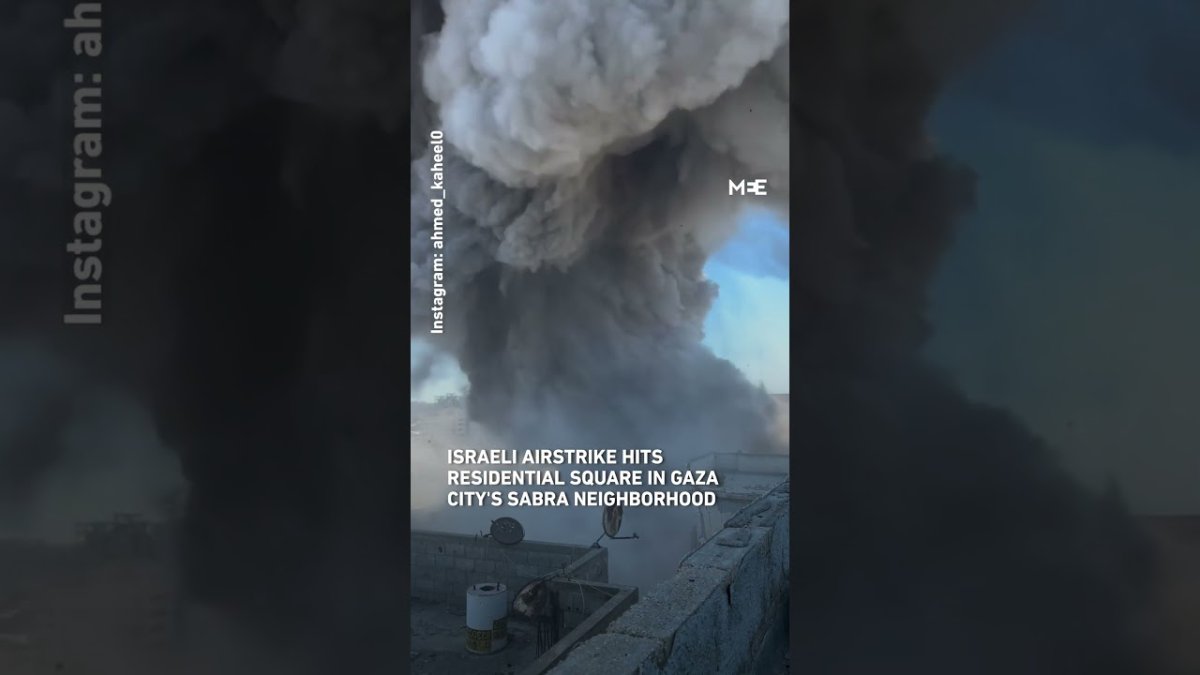
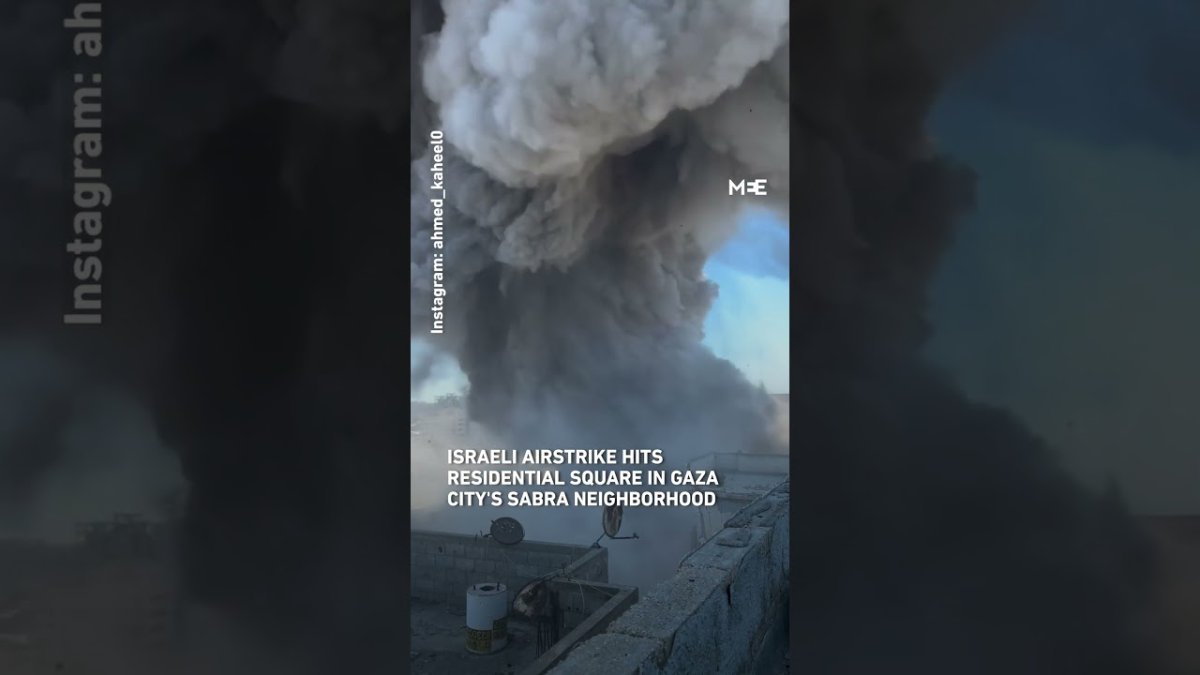
The footage from the Middle East Eye video captures the immediate aftermath of the July 12, 2026, strike on Al-Rais Lane, where collapsed apartment blocks lean precariously over piles of concrete and twisted metal, with residents picking through debris in search of belongings and loved ones amid the dust. The Airstrike on Al-Rais Lane in Sabra On July 12, 2026, the Israeli army
The footage from the Middle East Eye video captures the immediate aftermath of the July 12, 2026, strike on Al-Rais Lane, where collapsed apartment blocks lean precariously over piles of concrete and twisted metal, with residents picking through debris in search of belongings and loved ones amid the dust.
The Airstrike on Al-Rais Lane in Sabra
On July 12, 2026, the Israeli army launched more than four missiles into an entire residential square along Al-Rais Lane in the Sabra neighbourhood of Gaza City. The attack flattened multiple civilian homes and left widespread structural damage across the area, with apartment buildings reduced to rubble and streets rendered impassable. Witnesses described the force of the explosions shaking the ground for blocks, sending families fleeing into the night as walls crumbled around them.
Sabra has long been a densely populated civilian district in Gaza City, home to extended families who have endured repeated rounds of conflict. The July 12 strike targeted a square where residents gathered for daily activities, turning ordinary streets into scenes of destruction. Local accounts detail how the missiles struck without prior warning, leaving survivors to navigate collapsed ceilings and exposed wiring in the hours that followed.
Emergency responders worked through the night to clear pathways for ambulances, though access remained limited due to the scale of the debris. The destruction extended beyond the initial impact zone, affecting neighbouring structures that had already been weakened by earlier incidents in the area.
Additional Attacks Recorded on the Same Day
Separate from the residential square strike, a drone attack hit a blacksmith shop in Sabra, killing at least four Palestinians who were inside or nearby at the time. The targeted workshop had served local tradespeople for years, providing essential metalwork services to the community. Its destruction removed one more source of livelihood in an economy already strained by prolonged restrictions.
In Al-Bureij refugee camp, Israeli gunfire struck a tent encampment, killing nine-year-old Tala Abu Matar. The child was among families displaced from earlier phases of the conflict and sheltering in temporary structures. Reports from the scene indicated that the shooting occurred without apparent provocation from the encampment residents.
These incidents contributed to a total of at least six Palestinians killed across Gaza on July 12, 2026. Medical teams at local hospitals confirmed the figures through direct admissions and identification of remains recovered from the affected sites.
Pattern of Ceasefire Violations Since October 2025
The July 12 attacks form part of ongoing ceasefire violations that have continued since the US-brokered ceasefire took effect in October 2025. Rather than marking a sustained halt in hostilities, the period has seen repeated Israeli military actions across Gaza, undermining the terms of the agreement from the outset.
The Gaza Health Ministry has recorded 1,098 Palestinians killed and 3,535 injured in such violations since October 10, 2025. These numbers reflect daily tallies compiled from hospital reports and field documentation, capturing both direct strike casualties and those who succumbed to injuries in the weeks afterward.
Middle East Eye has documented 2,400 Israeli ceasefire violations during the first six months of the agreement. The monitoring effort catalogued incidents ranging from airstrikes and drone operations to ground incursions and artillery fire, providing a detailed timeline of breaches that local authorities have cited in appeals for renewed international oversight.
Control of Territory and Its Daily Effects
An NPR report on July 10, 2026, stated that Israel controls nearly 70 percent of Gaza. This territorial reality shapes movement, access to resources, and the ability of families to return to their homes in areas like Sabra. Residents describe checkpoints and restricted zones that limit travel for work, medical care, and family visits.
The concentration of control has concentrated displacement into shrinking pockets of land, increasing pressure on remaining infrastructure. In Sabra, families already coping with the July 12 damage must navigate these constraints while seeking temporary shelter with relatives or in overcrowded schools.
Local economies have contracted further under these conditions, with blacksmiths, shopkeepers, and other small traders facing both physical destruction of their premises and barriers to resupplying materials. The result is a deepening cycle of dependency on external aid that arrives irregularly.
Human Impact on Families in Sabra
The Sabra neighbourhood carries its own recent history of loss. In September 2025, at least 25 members of the Doghmush family were killed in a single strike, an event that still reverberates through surviving relatives now facing the July 12 destruction. Extended family networks that once provided mutual support have been thinned, leaving fewer adults to care for children and elders.
Survivors of the residential square attack described moments of ordinary life interrupted without transition. One resident recounted preparing evening meals when the missiles struck, while another spoke of children playing in the square moments earlier. These personal details illustrate how civilian routines have become sites of risk.
Psychological strain compounds the physical injuries. Community leaders note rising cases of trauma among children who have now witnessed multiple rounds of strikes in quick succession, with limited access to counseling services amid the broader medical demands.
Geopolitical Context and Regional Dynamics
The US-brokered ceasefire was intended to create space for negotiations on longer-term arrangements, yet the pattern of violations has eroded confidence in the process among Palestinian communities. Officials in Gaza have pointed to the absence of enforcement mechanisms as a key factor allowing incidents like the July 12 attacks to recur.
Regional actors continue to monitor developments, with neighbouring states expressing concern over the humanitarian fallout and the risk of renewed escalation. Palestinian civil society groups have called for independent investigations into each violation, citing the cumulative toll documented by the Health Ministry.
Within Gaza City, daily life reflects these larger tensions. Markets operate at reduced capacity, schools remain partially closed, and reconstruction efforts stall under the weight of repeated damage. The situation in Sabra exemplifies how national-level decisions translate into immediate hardships for individual households.
Looking Ahead Amid Continued Uncertainty
Recovery from the July 12 strikes will require sustained access to building materials and medical supplies, both of which remain subject to external controls. Local committees have begun assessing needs, though the scale of destruction across multiple sites complicates prioritization.
Advocacy organizations emphasize the need for accountability measures tied to the ceasefire framework. Without such steps, residents fear that incidents like the Al-Rais Lane attack and the shooting in Al-Bureij will continue to claim lives and property.
The combination of territorial control, documented violations, and specific family losses paints a picture of a population navigating persistent insecurity. Palestinian voices from Sabra and similar neighbourhoods stress the desire for stability that allows children like Tala Abu Matar to grow up without fear of encampment gunfire or collapsing homes.
 By Fatima Al-Rashid, Staff Writer
This article was produced with AI-assisted research and editorial support. Reporting is based on sources cited in the article.
What's Your Reaction?
 Like
0
Like
0
 Dislike
0
Dislike
0
 Love
0
Love
0
 Funny
0
Funny
0
 Wow
0
Wow
0
 Sad
0
Sad
0
 Angry
0
Angry
0

Gulf/MENA Correspondent at Global1.News. Based in Doha, covering Gulf politics, energy markets, diplomacy, and development across the Middle East and North Africa. Tracks the economic transformation of the Gulf states.










Comments (0)