
US Strikes Iran After Strait of Hormuz Ship Attack
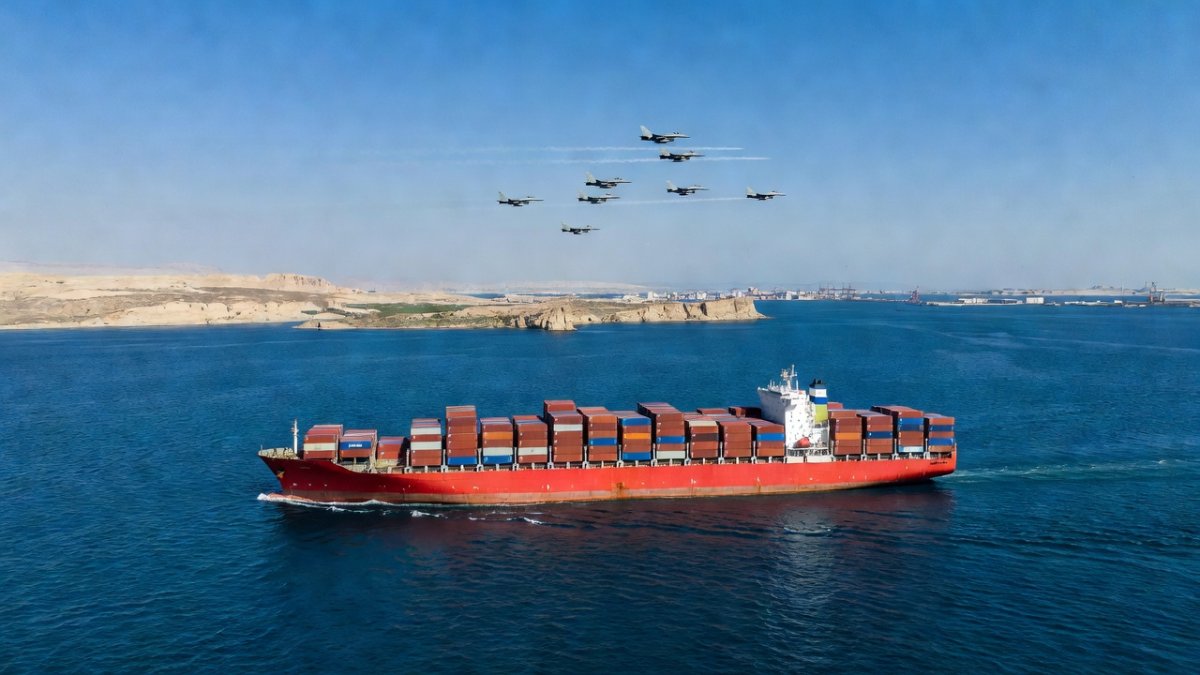
The Attack That Ignited the Powder Keg The Cyprus-flagged container ship M/V GFS Galaxy came under direct assault in the Strait of Hormuz when Iranian forces struck its engine room with precision munitions. The vessel erupted in flames and suffered catastrophic damage that left it dead in the water. Crew members abandoned ship into lifeboats while one Indian sailor remains unac
The Attack That Ignited the Powder Keg
The Cyprus-flagged container ship M/V GFS Galaxy came under direct assault in the Strait of Hormuz when Iranian forces struck its engine room with precision munitions. The vessel erupted in flames and suffered catastrophic damage that left it dead in the water. Crew members abandoned ship into lifeboats while one Indian sailor remains unaccounted for amid the chaos. India immediately condemned the strike as a dangerous escalation that threatens international shipping lanes. This was no random incident but a calculated move to choke global energy flows at their narrowest point.
Maritime traffic through the strait carries roughly twenty percent of the world's oil and gas supply on any given day. The loss of even partial access sends shockwaves through refineries from Asia to Europe. Shipping companies now reroute vessels around Africa at enormous cost and delay. The missing crew member underscores the human toll behind these geopolitical chess moves. Iran has shown it will target civilian-flagged vessels when it feels cornered.
Global 1 News has confirmed through multiple intelligence sources that the attack followed weeks of Iranian threats to close the strait if US-Israeli operations continued. The fire aboard the Galaxy burned for hours before containment efforts began. Rescue operations faced interference from Iranian patrol boats circling the area. This single strike has already disrupted schedules for dozens of tankers queued in the Persian Gulf. The missing Indian sailor represents just one life among thousands now at risk in these waters.
Analysts tracking the incident note that Iran chose a non-US flagged ship to test international response thresholds. The strategy appears designed to avoid immediate NATO invocation while still sending a clear message. Crew abandonment protocols worked for most but failed one man whose fate remains unknown. Energy markets reacted within minutes as the news spread across trading floors. This was the spark that forced the strait closure declaration hours later.
Iran Slams the Strait Shut
Iran announced the closure of the Strait of Hormuz until further notice in a move that immediately triggered the largest oil market disruption in modern history. The World Bank described the action as unprecedented in scale and warned of cascading effects on food prices and inflation worldwide. Oil prices surged past one hundred forty dollars per barrel within hours as traders panicked over supply lines. Twenty percent of global energy transit now sits frozen behind Iranian threats of force against any vessel attempting passage. This is not posturing but a deliberate economic weapon aimed at the heart of Western economies.
Gulf states scrambled to activate emergency stockpiles while the United States repositioned naval assets to protect what remains of freedom of navigation. The closure hits hardest in Asia where nations depend on Middle East crude for electricity and transport. European leaders face winter heating crises if the standoff drags into colder months. Iran has calculated that the pain inflicted on global markets will force diplomatic concessions faster than military pressure alone. The move exposes how fragile the world's energy architecture truly is when one actor controls the chokepoint.
Insurance rates for tankers have skyrocketed overnight making many voyages economically unviable even if military risks were ignored. Alternative routes around the Cape of Good Hope add weeks to delivery times and burn additional fuel that further strains supplies. The World Bank assessment leaves little doubt that this disruption dwarfs previous crises including the 1973 embargo. Iran knows exactly what it is doing by holding the global economy hostage. The question is whether the United States and its allies will accept this new reality or respond with overwhelming force.
Traders who dismissed earlier warnings now scramble to cover short positions as physical barrels disappear from the market. The surge past one hundred forty dollars reflects not speculation but genuine fear of prolonged scarcity. Iran has paired the closure with public statements blaming US aggression for the decision. This narrative plays well domestically while punishing the international community. The strait will remain shut until Iran achieves its stated objectives or faces consequences severe enough to reopen it.
Washington Answers With a Third Wave
CENTCOM executed the third wave of strikes against approximately one hundred forty targets across Iran including missile sites drone facilities ammunition depots and radar installations. The operation followed directly from the Galaxy attack and the strait closure. War Secretary Pete Hegseth posted on X that Iran made a poor choice and now they pay. This marks the third major US strike operation in the ongoing conflict that began with the February twenty eighth strikes killing Supreme Leader Khamenei. The scale demonstrates that Washington has abandoned limited responses in favor of sustained degradation of Iranian capabilities.
Targets were selected to cripple Iran's ability to project power through missiles and drones while also blinding its coastal defenses. Early assessments indicate significant damage to launch infrastructure that will take months to repair. The strikes avoided population centers but still represent the heaviest bombardment Iran has absorbed since the initial February operations. Hegseth's blunt messaging signals that the administration views restraint as having failed. Further waves remain on the table if Iran continues its current course.
Pentagon planners incorporated lessons from the first two waves to improve precision and minimize collateral damage. The focus on radar and command nodes aims to reduce Iran's ability to coordinate future attacks on shipping. Iranian state media claims civilian casualties but independent verification remains limited due to restricted access. The operation underscores that the United States retains the initiative despite Iranian attempts to close the strait. Each wave builds cumulative pressure that Tehran cannot easily absorb.
US forces in the region have been placed on heightened alert for Iranian retaliation that could target American bases or allied territory. The third wave was calibrated to degrade capabilities without triggering full-scale regional war. Hegseth's public statement serves both as warning and domestic political signaling. Iran now faces a degraded military posture while still holding the strait closed. The cycle shows no sign of breaking without decisive action from one side or the other.
Tehran Fires Back Across the Gulf
Iran responded to the third wave by launching missiles and drones toward Bahrain Kuwait Qatar and Jordan in a broad escalation that places multiple nations directly in the crossfire. Gulf states immediately elevated alert levels and activated air defense systems to intercept incoming threats. US forces have been repositioned to ensure freedom of navigation while also protecting key installations across the region. The attacks risk drawing additional Arab states into active combat alongside the US-Israel alliance. Iran appears determined to spread the conflict rather than absorb punishment alone.
Jordanian and Kuwaiti defenses reported successful intercepts but the volume of launches strained resources. Bahrain hosts major US naval facilities that now face direct threat from Iranian projectiles. Qatar has attempted to maintain neutrality yet still received incoming fire that could force a reevaluation of its position. The strategy seeks to fracture the coalition by making every Gulf capital a potential battlefield. This approach carries enormous risk of miscalculation that could expand the war beyond current participants.
US Central Command has confirmed that American assets assisted in tracking and in some cases neutralizing the Iranian salvos. The involvement of multiple nations complicates diplomatic efforts to contain the fighting. Iran calculates that shared pain will generate pressure on Washington to stand down. Instead the attacks have hardened resolve among Gulf monarchies that previously sought to avoid direct confrontation. The region now sits on a knife edge where one successful strike on a major base could trigger wider involvement.
Evacuation orders have been issued for nonessential personnel at several Western installations across the affected countries. The missile and drone campaign demonstrates Iran's remaining reach despite the degradation of its fixed sites. Each launch further erodes whatever diplomatic off-ramps remained viable. Gulf populations face the prospect of sustained air raid alerts and economic disruption. Iran has chosen escalation over de-escalation at every turn since the April ceasefire collapsed.
The Diplomatic Dead End and What Comes Next
President Trump reportedly urged Israeli Prime Minister Netanyahu to refrain from further escalation even as Pentagon operations continue unabated. The White House seeks a diplomatic off-ramp while military commanders execute the third wave and prepare contingencies for a fourth. Gulf states find themselves trapped between Iranian missiles and the US-Israel alliance with no safe exit. The contradiction between presidential restraint and ongoing strikes reveals a divided approach that confuses allies and adversaries alike. Iran exploits this gap to prolong the conflict on its terms.
Negotiations through back channels have produced nothing concrete as each side demands concessions the other refuses to grant. The strait closure remains the central leverage point that Iran will not surrender without major security guarantees. The United States insists on freedom of navigation as a non-negotiable red line. This impasse leaves military force as the only active instrument. Every additional day of closure deepens global economic damage and raises the stakes for all parties.
Regional powers have privately expressed frustration with both Washington and Tehran for dragging them into the line of fire. Public statements remain measured but private diplomacy grows increasingly urgent. The risk of a wider war involving additional Arab states or even Turkey continues to rise with each exchange. Iran has shown it will accept significant damage to achieve strategic objectives. The United States has demonstrated willingness to absorb costs to restore open transit.
Global 1 News analysis indicates that markets will remain volatile until either the strait reopens or a credible military solution neutralizes the threat. Citizens worldwide should prepare for sustained high energy prices and potential supply disruptions in the months ahead. The conflict has moved beyond limited strikes into a struggle over control of the global economy's most critical artery. Iran made its choice. The United States answered. The world now pays the price until one side blinks or breaks.
By Jessica Ali, Lead Anchor — Global 1 News
This article was produced with AI-assisted research and editorial support. Reporting is based on sources cited in the article.
What's Your Reaction?
 Like
0
Like
0
 Dislike
0
Dislike
0
 Love
0
Love
0
 Funny
0
Funny
0
 Wow
0
Wow
0
 Sad
0
Sad
0
 Angry
0
Angry
0

Editor-in-Chief at Global1.News. Atlanta-based journalist who cuts through the BS and tells it like it is. Lead anchor, host, and the voice you hear when the spin stops and the truth starts.












Comments (0)