
Strikes on Kyiv Claim 25 Lives in Night of Destruction
The Attack on Kyiv: A Night of Horror (The Independent / AP) The overnight assault on Kyiv, described by Ukrainian authorities as a night of horror, has claimed 25 lives with the toll expected to climb further as rescue operations continue. Russian forces targeted residential districts alongside claimed military and energy sites, setting buildings ablaze and injuring 86 people
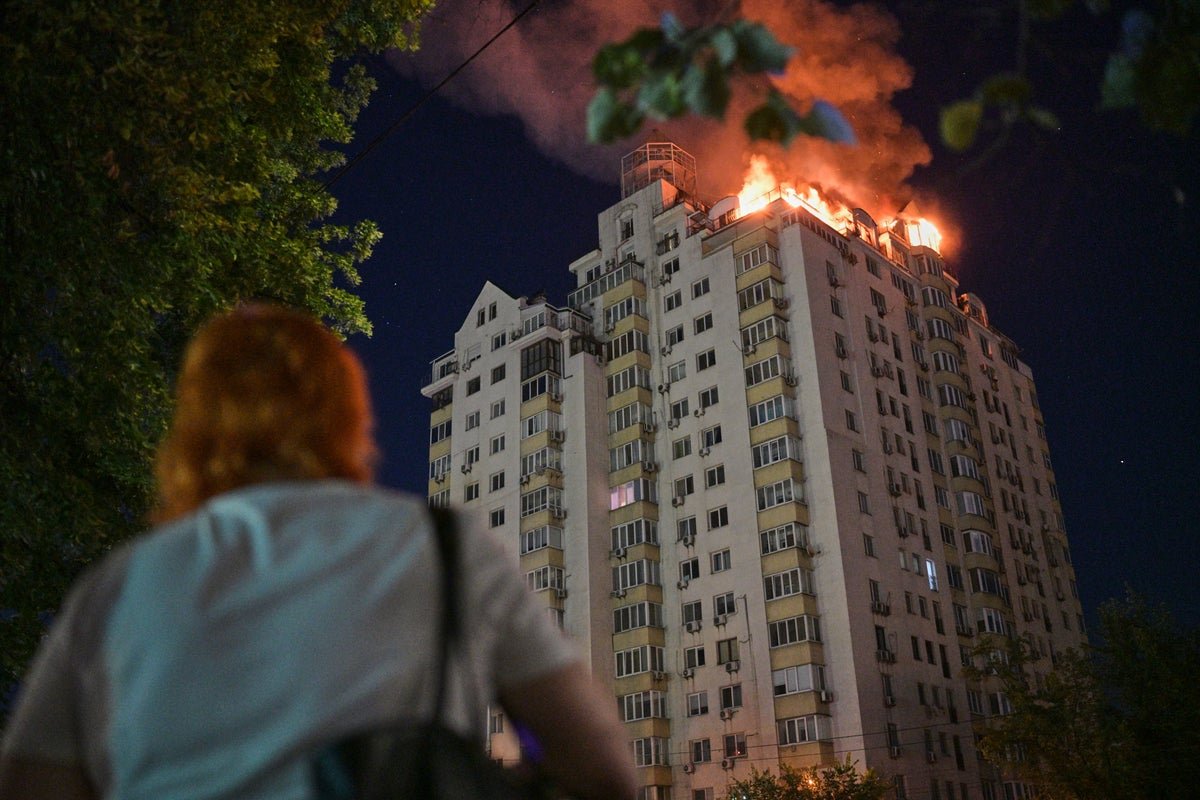
The Attack on Kyiv: A Night of Horror
(The Independent / AP)
The overnight assault on Kyiv, described by Ukrainian authorities as a night of horror, has claimed 25 lives with the toll expected to climb further as rescue operations continue. Russian forces targeted residential districts alongside claimed military and energy sites, setting buildings ablaze and injuring 86 people in the process. This escalation follows months of grinding attrition along the front lines, where advances have slowed almost to a halt amid effective Ukrainian defensive measures.
President Volodymyr Zelensky had already alerted the world to the impending barrage hours before it unfolded, prompting him to curtail his engagements abroad. Moscow framed the strikes as retaliation for Ukrainian actions against its own civil infrastructure, highlighting the tit-for-tat nature of the conflict that shows no sign of abating after nearly four and a half years of full-scale war. The involvement of military airports in multiple regions underscores the breadth of the operation.
For Britain, such intensified barrages on the Ukrainian capital resonate deeply with ongoing debates about energy security and the cost of supporting Kyiv. The disruption to Ukrainian infrastructure mirrors concerns here about supply chains and the ripple effects on household bills, particularly as winter approaches and memories of previous energy crises linger in public discourse.
Analysts note that these attacks represent a deliberate attempt to stretch Ukrainian resources thin, testing the resilience of both military and civilian defences in equal measure. The scale of the aerial operation signals Putin's determination to maintain pressure despite battlefield setbacks, a strategy that European capitals including London are watching with growing alarm.
The Human Cost: Rescue and Recovery
Rescue teams in Kyiv worked through the night without pause, clearing debris from sites where five bodies were recovered in one eastern suburb alone, with eight residents still unaccounted for on the left bank of the Dnipro River. Tymur Tkachenko, head of the capital's military administration, emphasised that operations would persist until every fragment of rubble had been examined, warning that additional victims were likely to be found.
The human toll extends beyond immediate casualties to the psychological strain on survivors and the wider population, many of whom have endured repeated nights of air-raid sirens since the invasion began. Local communities in affected districts now face the daunting task of rebuilding homes while mourning neighbours, a pattern all too familiar in Ukrainian cities under sustained assault.
In the United Kingdom, images of these devastated residential areas evoke parallels with the Blitz spirit often invoked in British cultural memory, yet they also fuel contemporary discussions about the moral imperative of continued aid. Public support for Ukraine remains robust across much of the country, though fatigue and economic pressures test that solidarity in daily conversations around kitchen tables.
Medical facilities in Kyiv have been stretched by the influx of injured civilians, requiring rapid triage and treatment amid ongoing threats of further strikes. This immediate humanitarian emergency draws attention to the long-term needs of displaced families, many of whom may seek refuge in European nations including Britain under existing protection schemes.
Zelensky's Dublin Visit Cut Short
President Zelensky abruptly ended his trip to Dublin, where he had been marking the start of Ireland's six-month term in the rotating EU presidency, after intelligence indicated an imminent large-scale Russian attack. The decision underscored the constant vigilance required of Ukrainian leadership as threats to the capital evolve in real time.
His presence in Ireland had been intended to strengthen European unity at a critical juncture, yet the unfolding events in Kyiv forced a return to the front lines of decision-making. This interruption highlights how the war dictates the rhythm of diplomacy, leaving little room for extended absences from the command centre.
British observers have noted the parallels with their own government's need to balance domestic priorities against international commitments, particularly as the new administration in London navigates its European relationships post-Brexit. Zelensky's curtailed schedule serves as a reminder that security concerns can override even the most carefully planned political calendars.
The episode also illustrates the personal risks borne by Ukrainian officials, who must weigh symbolic gestures of solidarity against the practical demands of protecting their population. Such choices resonate in UK political circles where debates about leadership resolve and crisis management frequently surface in parliamentary exchanges.
Russia's Military Calculus: The Belarus Threat
Ukraine's commander-in-chief Oleksandr Syrskyi revealed that Vladimir Putin has directed his forces to explore new avenues for offensive operations aimed at capturing Kyiv, including potential thrusts launched from Belarusian territory. This development raises the spectre of a multi-front assault that could encircle the capital and its surrounding areas.
The strategic use of Belarus as a staging ground reflects Moscow's ongoing efforts to compensate for stalled progress elsewhere, adapting tactics in response to Ukrainian countermeasures. Such planning indicates a long-term commitment to the objective of regime change in Ukraine despite mounting costs.
From a British perspective, the Belarus dimension adds another layer of complexity to NATO's eastern flank calculations, prompting renewed scrutiny of alliance readiness in the Baltic states and Poland. UK defence planners have long emphasised the importance of deterring any spillover that could draw in alliance members.
Historical precedents of Russian force concentrations near Ukrainian borders lend weight to these warnings, shaping public understanding in Britain of the conflict's potential for sudden escalations. Media coverage here frequently draws connections between these manoeuvres and the broader challenge to European stability.
EU Response: Kallas Proposes New Sanctions
European Union foreign policy chief Kaja Kallas announced plans to propose additional sanctions targeting entities that support Russia's military-industrial complex, arguing that condemnation alone cannot halt the assaults on Kyiv. She stressed that only sustained military assistance to Ukraine combined with heightened economic pressure on Moscow offers a viable path forward.
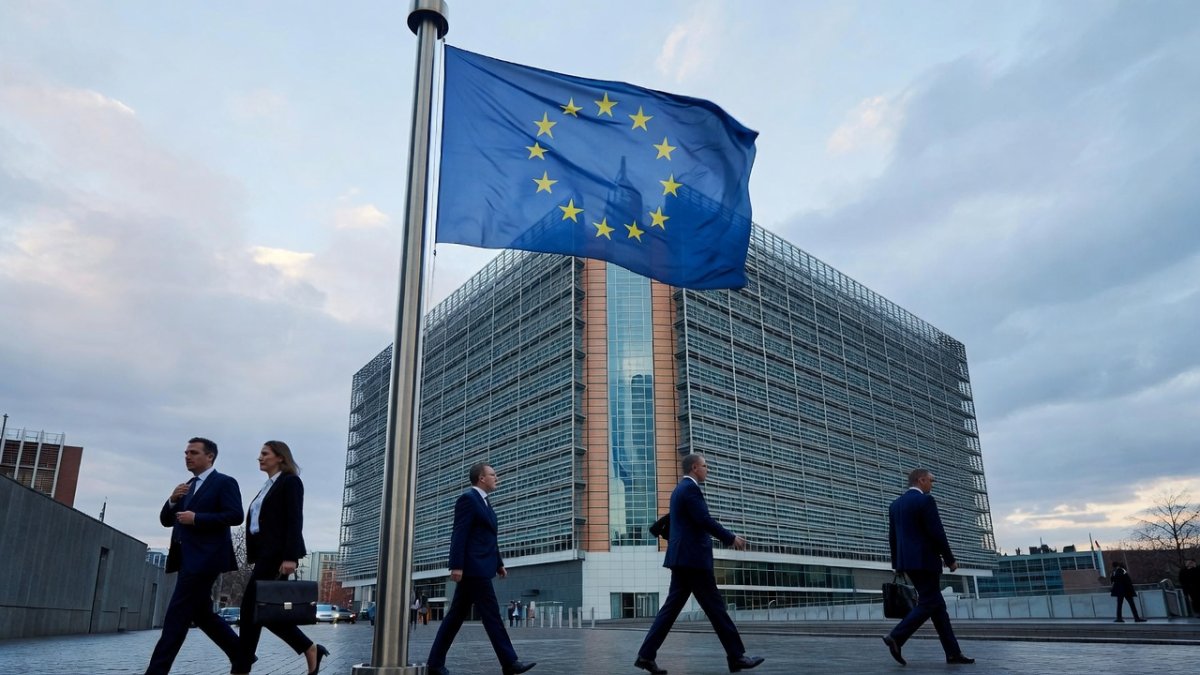
(Global 1 News)
The move comes in direct response to the latest wave of strikes, signalling Brussels' intent to escalate measures as civilian casualties mount. This approach aligns with the EU's established pattern of tightening restrictions incrementally in reaction to Russian aggression.
British policymakers have welcomed such coordinated action, viewing it as complementary to the United Kingdom's own sanctions regime and arms supplies. Cross-party consensus in Westminster on the need for robust measures against Moscow remains a notable feature of the domestic political landscape.
The sanctions debate also intersects with UK economic interests, as businesses navigate compliance requirements while advocating for measures that avoid unnecessary harm to legitimate trade. Public opinion polls consistently show strong backing for holding Russia accountable through financial levers.
Ukraine's Evolving Battlefield Strategy
Despite the horror in Kyiv, Ukrainian forces have achieved notable successes through local counter-attacks and the expanded deployment of ground robots alongside short-range drone operations. These innovations have helped blunt Russian advances and inflict significant damage on enemy fuel infrastructure, leading to shortages inside Russia itself.
The shift toward asymmetric tactics demonstrates Kyiv's adaptability in the face of superior numbers, turning technological ingenuity into a decisive advantage on the battlefield. Such developments have slowed the pace of Russian gains almost to a standstill in recent months.
In Britain, these tactical evolutions are studied closely by military analysts and feature in discussions about future defence procurement priorities. The success of Ukrainian drone warfare has influenced debates in Parliament about investing in similar capabilities for the British armed forces.
The ability to project the conflict back into Russia through infrastructure strikes has altered the strategic calculus, forcing Moscow to divert resources to homeland defence. This dynamic offers lessons for UK strategic thinking on resilience and deterrence in an era of hybrid threats.
NATO and European Defence: Filling America's Shoes
NATO's top commander, US Air Force General Alexus Grynkewich, confirmed that European allies have largely filled gaps in the alliance's defence plans left by recent United States reductions to the NATO Force Model. Workarounds are being developed for remaining shortfalls to maintain overall effectiveness.
This development marks a significant shift in burden-sharing within the alliance, with European members stepping up to compensate for American adjustments. The rapid response underscores the bloc's determination to preserve collective security commitments.
For the United Kingdom, this evolution reinforces the importance of its role as a leading European contributor to NATO, particularly in areas such as maritime security and rapid reaction forces. Domestic political discourse often highlights Britain's outsized influence within the alliance despite its departure from the EU.
The adjustments also prompt reflection on the future of transatlantic relations, with British commentators noting that greater European self-reliance could reshape long-standing assumptions about US engagement. Public awareness of these changes has grown through coverage in major UK news outlets.
What This Means for British Households
The renewed assault on Kyiv and the associated energy infrastructure damage inside Russia carry direct implications for British households already grappling with elevated living costs. Disruptions to global fuel supplies risk exacerbating price volatility at a time when many families are still recovering from previous spikes.
UK energy policy discussions frequently reference the Ukrainian conflict as a cautionary tale about over-reliance on volatile international markets. Government initiatives to accelerate domestic renewables and nuclear projects gain added urgency amid such developments.
Cultural responses in Britain, from charity fundraisers to community vigils, illustrate the depth of public engagement with the war's human stories. These grassroots efforts complement official aid programmes and reflect a societal commitment that extends beyond political cycles.
Daily conversations in workplaces and schools across the country often turn to the war's longevity and its economic footprint, shaping voter expectations ahead of future elections. The connection between distant battlefields and household budgets remains a potent theme in British political commentary.
The Road Ahead
With the death toll in Kyiv still rising and rescue efforts ongoing, the immediate priority remains humanitarian relief and the restoration of damaged infrastructure. Ukrainian authorities have pledged uninterrupted operations to account for every missing resident.
European leaders, including Kaja Kallas, continue to advocate for a dual track of military support and sanctions pressure, a stance that finds broad resonance in British foreign policy circles. The coming weeks will test the durability of this approach against Russian determination.
Longer-term questions about NATO's evolution and Ukraine's path to greater security guarantees will dominate diplomatic agendas, with the United Kingdom positioned to play an influential role. Domestic debates about defence spending and alliance commitments are likely to intensify.
Ultimately, the events of this night of horror serve as a stark reminder of the war's human stakes, urging sustained attention from publics and policymakers alike across Europe, including here in Britain where solidarity with Ukraine has become a defining feature of the post-invasion era.
By Erica Thornton, Staff WriterThis article was produced with AI-assisted research and editorial support. Reporting is based on sources cited in the article.
What's Your Reaction?
 Like
0
Like
0
 Dislike
0
Dislike
0
 Love
0
Love
0
 Funny
0
Funny
0
 Wow
0
Wow
0
 Sad
0
Sad
0
 Angry
0
Angry
0

US Politics and Policy Correspondent at Global1.News. Based in Washington DC, covering American politics, policy, elections, and the courts. Knows how the system works and tells you what it actually means.












Comments (0)