
Manitoba Flooding 2026: Swan River & Dauphin Evacuations
Keywords: Manitoba flooding 2026, Parkland region flood, Swan River evacuation, Dauphin hospital, Wab Kinew military request, Prairie weather Record Rainfall Triggers Renewed Flooding in Manitoba Parkland Region The Scale of the Flooding Across Swan River and Dauphin Heavy rainfall between July 1 and 2, 2026, delivered approximately 107 millimetres to Swan River and nearly 119
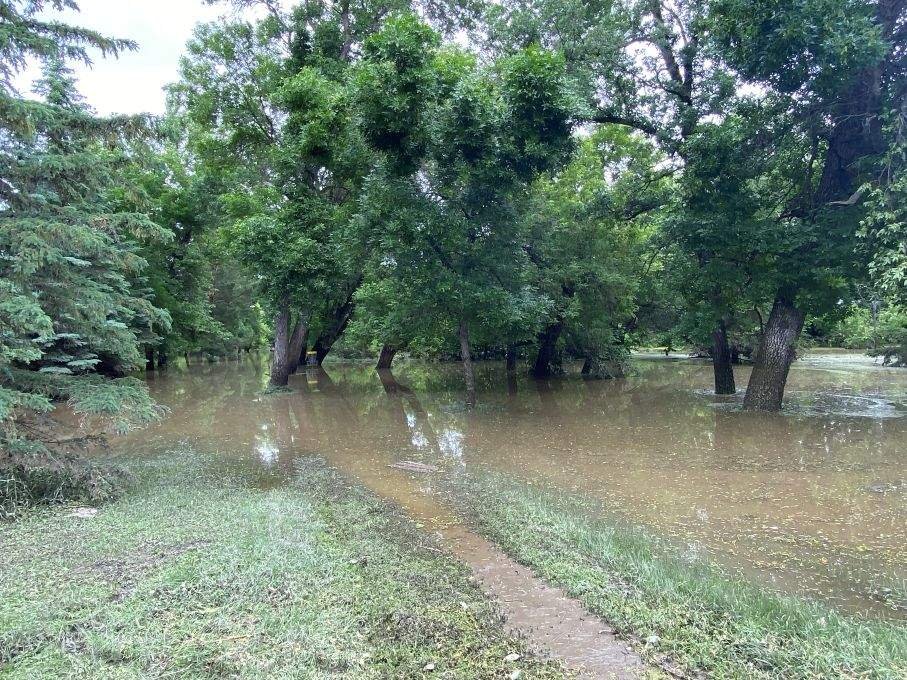
Record Rainfall Triggers Renewed Flooding in Manitoba Parkland Region
The Scale of the Flooding Across Swan River and Dauphin
Heavy rainfall between July 1 and 2, 2026, delivered approximately 107 millimetres to Swan River and nearly 119 millimetres to Dauphin over five days. These totals exceed the typical June rainfall of 80 millimetres for the region, producing rapid runoff across the Parkland area northwest of Winnipeg.
Environment and Climate Change Canada meteorologist Terri Lang observed that stormy summers occur regularly on the Prairies, yet the current intensity stands out as atypical. The precipitation arrived just three weeks after earlier flooding in early June, leaving soils saturated and drainage systems already strained.
Local officials noted that the July event produced higher water levels in several locations than the previous round. Reeve Bill Gade of the Swan River area described conditions as worse than those experienced in early June, with water moving quickly across roads and low-lying farmland.
Human Impact on Residents Still Recovering from June Floods
Approximately 150 people have been evacuated from Swan River, according to Mayor Lance Jacobson. Many residents had only begun repairs to homes and properties damaged three weeks earlier, and the new flooding has displaced families once again.
Mayor David Bosiak of Dauphin, who has lived in the community for more than fifty years, called the speed and extent of the water “shocking.” Properties in low-lying neighbourhoods experienced basement flooding, while some rural roads became impassable, isolating farmsteads.
The Parkland region includes several Indigenous communities whose members rely on local roads and services. Extended isolation raises concerns about access to medical care and essential supplies, consistent with patterns seen in previous Prairie flood events managed under federal-provincial arrangements.
Dauphin Regional Health Centre Loses Power and Evacuates Patients
The Dauphin Regional Health Centre experienced basement flooding that knocked out its main power source. Prairie Mountain Health chief executive officer Treena Slate confirmed the outage forced the evacuation of all 54 patients, including one infant.
Patients were transported safely to facilities in Winnipeg, Brandon, and other regional hospitals. Minister of Health, Seniors and Long-term Care Uzoma Asagwara stated that the transfers proceeded without incident, though the sudden relocation placed additional pressure on receiving centres already operating near capacity.
The evacuation highlights vulnerabilities in rural healthcare infrastructure during extreme weather. Manitoba’s provincial health authorities continue to coordinate with Prairie Mountain Health to maintain care continuity while the Dauphin facility undergoes assessment and restoration.
Government Response Involves Provincial Request for Military Assistance
Premier Wab Kinew has requested military assistance for Swan River operations. A response from federal authorities is expected within one to two days. Federal Minister Eleanor Olszewski of Prairies Economic Development Canada confirmed that Ottawa has received the request and is reviewing it through established channels.
Dauphin declared a state of local emergency on July 1. Municipal crews and provincial emergency management personnel are working to clear debris and protect critical infrastructure while monitoring water levels that remain elevated.
Under the Disaster Financial Assistance Arrangements, costs shared between the province and the federal government will be assessed once immediate safety measures are complete. Reeve Bill Gade has estimated minimum costs for Swan River alone at ten million dollars, though final figures will require detailed damage surveys.
What Comes Next: Weather Outlook, Cleanup Costs, and Federal Support
Environment Canada continues to warn of thunderstorm risks that could worsen conditions in already saturated areas. Officials advise residents to avoid travel on flooded roadways and to follow local evacuation orders.
Cleanup efforts will involve coordination among municipal public works, Prairie Mountain Health, and provincial agencies. Restoration of the Dauphin Regional Health Centre’s power systems remains a priority before patients can return.
Federal recovery support through Prairies Economic Development Canada and the Disaster Financial Assistance Arrangements will be determined after damage assessments are finalised. Long-term discussions on climate resilience for Prairie communities are expected to follow, given the repeated extreme weather events observed in recent years.
Indigenous Services Canada has been notified of potential needs in affected First Nations communities, ensuring that federal-provincial mechanisms address both immediate relief and longer-term recovery requirements.
Tags: Manitoba flooding, Parkland region, Swan River, Dauphin hospital evacuation, Wab Kinew, Eleanor Olszewski, Uzoma Asagwara, Prairie weather
By Alex Thompson, Staff Writer
This article was produced with AI-assisted research and editorial support. Reporting is based on sources cited in the article.
What's Your Reaction?
 Like
0
Like
0
 Dislike
0
Dislike
0
 Love
0
Love
0
 Funny
0
Funny
0
 Wow
0
Wow
0
 Sad
0
Sad
0
 Angry
0
Angry
0

Canada Correspondent at Global1.News. Based in Toronto, covering Canadian politics, energy, trade, and US-Canada relations. Provides the Canadian perspective on North American and global affairs.















Comments (0)