
Stocks shake off Iran jitters as AI pushes market up, even amid oil climbs and Hormuz crisis
Markets Push Higher Despite Hormuz Disruptions Global equity indices have continued their climb this week, with the MSCI All-World index edging up 0.13 percent to fresh record levels. Demand for artificial intelligence hardware and software has overshadowed concerns over the three-month-old Strait of Hormuz crisis, where joint US-Israeli operations have narrowed the waterway th
Markets Push Higher Despite Hormuz Disruptions
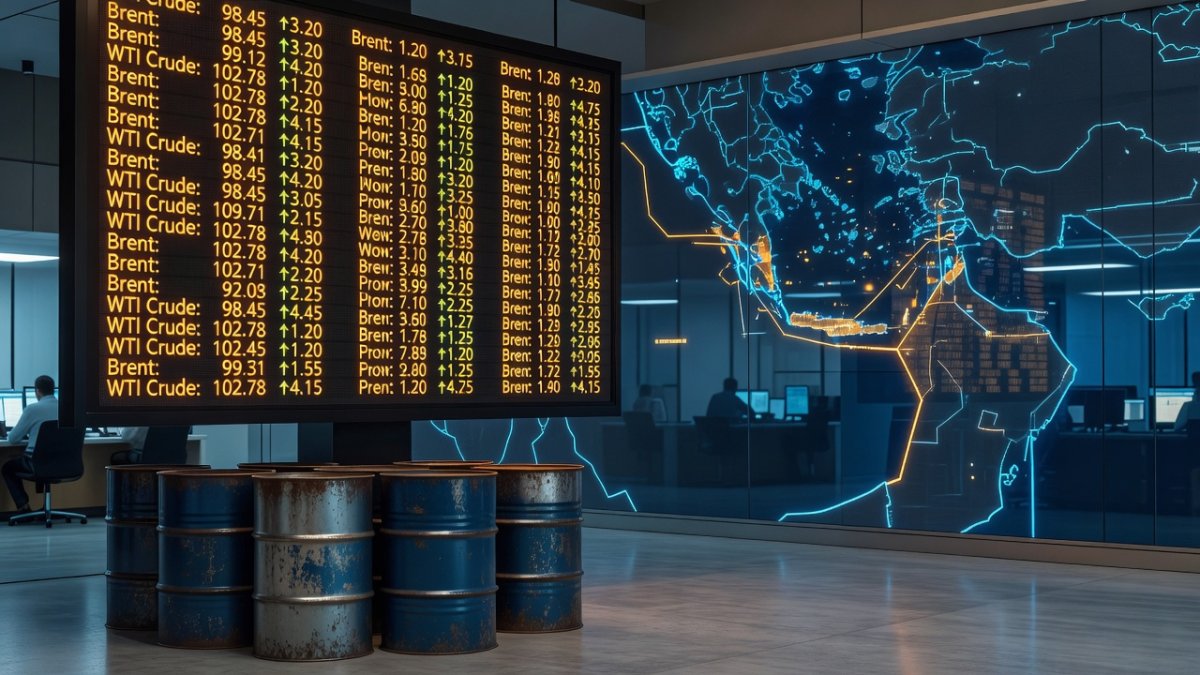
Global equity indices have continued their climb this week, with the MSCI All-World index edging up 0.13 percent to fresh record levels. Demand for artificial intelligence hardware and software has overshadowed concerns over the three-month-old Strait of Hormuz crisis, where joint US-Israeli operations have narrowed the waterway that carries roughly one-quarter of seaborne oil trade. Traders in Tokyo and Seoul have driven local benchmarks to all-time highs on the back of Nvidia-led rallies, while European bourses finished mixed as energy shares gained and airline and defense names retreated.
Oil Prices and the Direct Hit to Israeli Consumers
Brent crude traded near 94 to 95 dollars a barrel in early June after touching 106 dollars during the height of the Hormuz tensions. For Israeli motorists the effect is immediate. Filling stations in Tel Aviv and Jerusalem have posted liter prices above 8 shekels, up more than 20 percent since the crisis began. The Bank of Israel has already flagged second-round inflation risks from higher transport and logistics costs, with the shekel weakening modestly against the dollar in recent sessions. Finance Ministry officials in Jerusalem are monitoring the pass-through to the consumer price index ahead of the next rate decision.
Resilience at the Tel Aviv Stock Exchange
The TA-125 index has held its ground better than many regional peers. Energy and defense contractors listed in Tel Aviv have posted gains that offset losses in tourism-related names. Local fund managers cite the same AI enthusiasm visible in New York and Asia, alongside steady foreign inflows into Israeli technology shares. Nevertheless, analysts at the Bank of Israel note that prolonged closure of the strait would raise input costs for manufacturers and could pressure corporate margins if fertilizer prices rise the projected 15 to 20 percent.
AI Euphoria Versus Real-Economy Exposure
The divergence between equity valuations and physical supply risks is striking. While semiconductor and data-center stocks continue to attract capital, the Israeli economy remains exposed through its dependence on imported energy and its role as a regional logistics hub. A sustained Hormuz blockage would lift shipping insurance premiums on routes to Haifa and Ashdod, adding to the cost of imported components used by Israel’s high-tech sector. Payrolls data due later this month will test whether labor-market strength can continue to support consumption amid these headwinds.
Geopolitical Stakes for Israel’s Security Posture
The Hormuz operations form part of a broader campaign that has drawn in Iranian proxies across Lebanon, Syria and Iraq. Israeli security officials in the Prime Minister’s Office and the IDF have emphasized the need to keep the strait contested in order to constrain Tehran’s oil revenues. At the same time, Gulf states are accelerating talks on pipeline routes that would bypass the waterway, a development that could alter long-term energy transit patterns and affect Israel’s own strategic calculations regarding regional infrastructure projects.
Outlook for Israeli Policy and Regional Stability
Israeli policymakers face a narrow path. Maintaining pressure on Iran’s export capacity supports security objectives yet raises domestic living costs. The Foreign Ministry has coordinated with European and Asian partners on contingency planning for energy supplies, while the Finance Ministry examines fiscal buffers should oil remain above 90 dollars into the summer. Markets may continue to price in AI-driven growth, yet the underlying reality for households in Jerusalem and Tel Aviv will be shaped by how long the Hormuz impasse persists and whether alternative supply routes materialize in time to ease the pressure.
By Hannah Berg, Staff WriterThis article was produced with AI-assisted research and editorial support. Reporting is based on sources cited in the article.
What's Your Reaction?
 Like
0
Like
0
 Dislike
0
Dislike
0
 Love
0
Love
0
 Funny
0
Funny
0
 Wow
0
Wow
0
 Sad
0
Sad
0
 Angry
0
Angry
0

Israel Correspondent at Global1.News. Based in Tel Aviv, covering Israeli politics, security, technology, and society. Provides balanced, deeply-sourced reporting on one of the most closely-watched regions in the world.














Comments (0)