
B.C. Petition Challenges Stornoway Taxpayer Funding
Keywords: Stornoway funding, opposition leader residence, Carol Burman petition, 24 Sussex Drive, Canadian heritage properties The History of Official Residences in Canada The Stornoway residence stands as a notable example within Canada's tradition of providing official homes for key political figures. Constructed in 1914, the 9,500 square-foot mansion with 19 rooms was later
The History of Official Residences in Canada
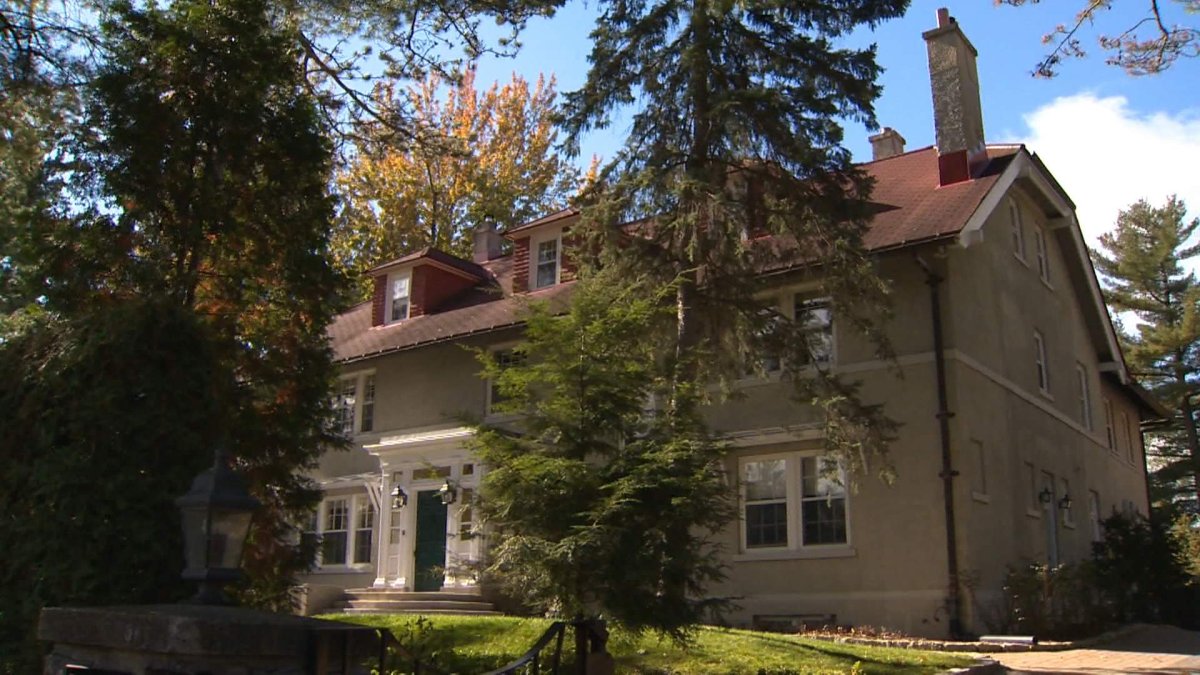
The Stornoway residence stands as a notable example within Canada's tradition of providing official homes for key political figures. Constructed in 1914, the 9,500 square-foot mansion with 19 rooms was later acquired through a trust in the 1950s specifically to serve as housing for the leader of the official Opposition. It was subsequently sold to the federal government in the 1970s, establishing a formal arrangement that has persisted for decades. This evolution reflects how certain properties in established neighbourhoods like Rockcliffe Park have become intertwined with the operations of parliamentary democracy over time.
Rockcliffe Park itself has long been associated with prominent federal properties, lending a sense of continuity to the use of Stornoway. The decision to designate the home for the opposition leader created a parallel to the prime minister's residence, though on a smaller scale. Over the years, this arrangement has allowed successive leaders to focus on their parliamentary duties without the immediate burden of securing private accommodation in the capital. Such historical choices underscore the gradual institutionalization of support mechanisms for opposition roles within the Canadian system.
Analysts often note that these residences emerged during periods when political life in Ottawa required stable bases for national figures. The 1914 construction date places Stornoway in an era of significant urban development in the capital region. By the mid-twentieth century, the trust purchase and later government acquisition formalized what had begun as a practical solution. This background helps explain why the current petition touches on longstanding practices rather than entirely new policies.
The Canadian Parliamentary E-Petition Process
Canada's e-petition system allows citizens to raise issues directly with Parliament through an online platform that collects digital signatures. Once sufficient support is gathered, the petition is presented in the House of Commons, triggering a formal government response. In this case, the petition initiated by Carol Burman follows the standard timeline, with presentation scheduled for the fall session. The process emphasizes accessibility, enabling individuals from any part of the country, such as British Columbia, to participate in national discussions.
Digital signatures streamline participation compared to traditional paper-based methods, broadening the reach of public input on matters like official residences. The 45-day response rule ensures that the government must address the petition's requests within a defined period after presentation. This mechanism promotes accountability while giving officials time to review supporting evidence and context. Petitions on topics such as Stornoway funding illustrate how the system can elevate localized concerns to the federal level.
Elizabeth May's sponsorship of the petition highlights the role of members of Parliament in facilitating citizen initiatives. The process does not guarantee policy change but creates a structured avenue for debate. By requiring a government reply, it encourages examination of practices that may have continued without recent scrutiny. This framework supports evidence-based dialogue on the use of public resources for political housing.
G7 Comparison on Support for Opposition Leaders
Carol Burman has pointed out that within the G7, Canada stands apart in providing dedicated funding and housing for the leader of the official Opposition. No other member country extends similar accommodations according to her assessment. This distinction invites consideration of how different parliamentary systems allocate resources to opposition functions. The Canadian approach reflects a specific historical choice that may not align with practices elsewhere in the group.
Comparisons with G7 partners can illuminate varying priorities in supporting democratic institutions. While some nations may offer administrative support or office space, the provision of a full residence appears unique to Canada based on the petition's claims. Such differences often stem from distinct constitutional traditions and expectations around the visibility of opposition leadership. Examining these variations provides context for evaluating whether the Stornoway arrangement remains appropriate today.
The petition frames this G7 observation as a prompt for prudence rather than a call for immediate alignment. It encourages reflection on whether Canada's model delivers sufficient value relative to international norms. Leaders across party lines have utilized the residence, suggesting the practice has enjoyed cross-partisan acceptance until now. This broader perspective helps situate the current discussion within global democratic standards.
The Situation at 24 Sussex Drive and Fundraising Efforts
Plans to restore the prime minister's official residence at 24 Sussex Drive have advanced alongside a campaign seeking to raise $50 million for the necessary work. Pierre Poilievre has expressed reservations about prioritizing this project, stating that it should not be foremost in public considerations. The timing of these developments coincides with the petition regarding Stornoway, creating parallel conversations about federal properties. Both residences represent significant investments in maintaining historic buildings tied to national leadership.
The fundraising effort for 24 Sussex underscores the scale of deferred maintenance challenges facing older official homes. Similar issues have been documented at Stornoway, where a 2021 report identified substantial upcoming costs. Poilievre's comments suggest a preference for focusing resources elsewhere amid competing national priorities. This stance adds a layer of political dimension to the broader debate on how taxpayer funds support political residences.
Restoration projects for such properties often involve balancing preservation needs with fiscal responsibility. The $50 million target reflects extensive work required to address long-standing deficiencies. As these plans proceed, they highlight systemic questions about the sustainability of maintaining multiple high-profile residences. The petition on Stornoway arrives at a moment when public attention is already directed toward these issues.
Preston Manning's Decision Not to Live in Stornoway
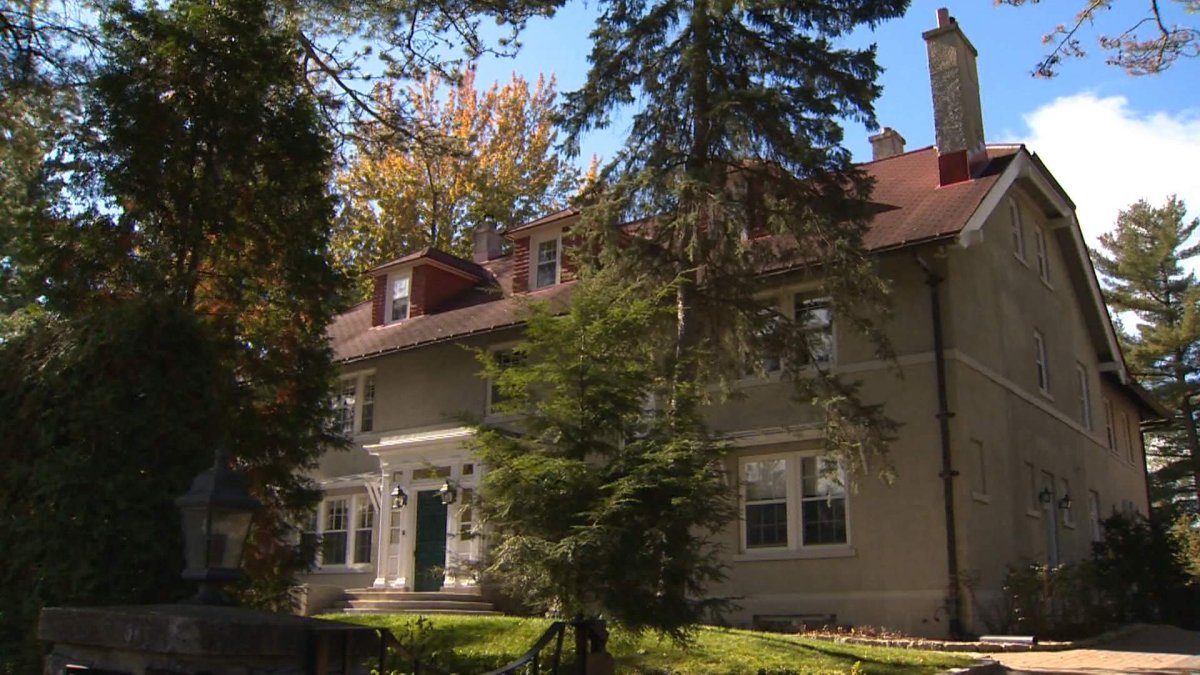
Preston Manning chose not to reside in Stornoway upon becoming leader of the official Opposition, describing the property as too extravagant for his preferences. This decision marked an early instance of public questioning regarding the suitability of the residence. Despite his stance, subsequent leaders including Stephen Harper, Stéphane Dion, Thomas Mulcair, and Pierre Poilievre have made use of the home. Manning's position illustrates that concerns about the arrangement are not entirely new.
The refusal highlighted tensions between the symbolic role of the residence and individual views on frugality. It occurred during a period when the property's status as an official Opposition home was already established. Manning's choice drew attention to the costs and scale of the 19-room mansion without leading to immediate policy shifts. Later occupants from various parties have continued the tradition, indicating evolving attitudes over time.
This historical episode provides useful background for understanding the current petition's focus on taxpayer funding. It demonstrates that leaders have occasionally opted out based on personal assessments of extravagance. The continuity of use by others suggests the practice retained broad acceptance despite such critiques. Manning's example remains relevant as discussions revisit the underlying rationale for the perk.
The Heritage Versus Cost Debate for Federal Properties
Scott Heatherington, president of the Rockcliffe Park Residents Association, has advocated for preserving Stornoway as part of Canada's heritage and democratic legacy. He expressed satisfaction with Pierre Poilievre's occupancy of the residence. This perspective emphasizes the cultural and historical value of maintaining such properties within established neighbourhoods. At the same time, documented maintenance expenses introduce counterbalancing considerations about ongoing public investment.
A 2021 report placed average annual operating and maintenance costs for Stornoway at nearly $80,000, with an additional $1.25 million required over a decade to address deferred work. These figures illustrate the financial commitments involved in sustaining the 1914 structure. Heritage arguments often stress intangible benefits such as continuity in parliamentary traditions. Cost analyses, however, focus on measurable expenditures that accumulate across multiple years.
The debate reflects wider challenges in managing federally owned historic buildings. Preservation can support educational and symbolic functions, yet it requires consistent funding streams. The petition seeks to end taxpayer support regardless of the occupant, shifting emphasis toward fiscal considerations. Both viewpoints contribute to a nuanced examination of how Canada stewards its official properties.
The Broader Question of Taxpayer-Funded Housing for Public Officials
The petition initiated by Carol Burman targets the 75-year-old practice of funding Stornoway specifically for the leader of the official Opposition. It calls for an end to this support on grounds of prudence rather than partisan considerations. The request applies uniformly, independent of who holds the position at any given time. This framing invites examination of whether such housing aligns with contemporary expectations around public spending.
Taxpayer-funded residences for political figures have existed in Canada for generations, creating established norms. The petition challenges these norms by highlighting the absence of similar provisions in other G7 countries. Proponents of the current system point to practical benefits that allow opposition leaders to perform their roles effectively. Critics, however, question whether the arrangement remains necessary or proportionate in light of reported costs.
Broader discussions often weigh symbolic importance against opportunities for reallocation of resources. The Stornoway case exemplifies how individual petitions can surface these tensions for public review. By focusing on the principle of taxpayer funding, the initiative avoids targeting any specific leader. This approach encourages consideration of systemic practices rather than isolated instances.
What Happens After the Petition Is Presented in the Fall
Following presentation to Parliament in the fall, the government will have 45 days to formulate and deliver a response to the petition. This period allows officials to consult relevant departments and assess the implications of ending funding for Stornoway. The response will outline the government's position on the request to cease taxpayer support for the residence. Such timelines provide structure to citizen-initiated proposals.
The process after presentation can include further parliamentary discussion or referral to committees for additional study. Elizabeth May's involvement as sponsor may facilitate continued attention to the issue within the House. Outcomes could range from maintenance of the status quo to recommendations for policy review. The petition's momentum, as noted by May, has already contributed to a national conversation on the topic.
Ultimately, the 45-day window ensures a formal reply while leaving room for evidence-based evaluation. The focus remains on the petition's core ask that Canadian taxpayers no longer fund the residence. This stage represents a key point where public input transitions into governmental consideration. Observers will watch for how the response addresses both heritage and cost dimensions raised during the petition period.
Tags: Stornoway, opposition leader residence, Carol Burman petition, 24 Sussex Drive, Canadian heritage, taxpayer funding
By Alex Thompson, Staff Writer
This article was produced with AI-assisted research and editorial support. Reporting is based on sources cited in the article.
What's Your Reaction?
 Like
0
Like
0
 Dislike
0
Dislike
0
 Love
0
Love
0
 Funny
0
Funny
0
 Wow
0
Wow
0
 Sad
0
Sad
0
 Angry
0
Angry
0

Canada Correspondent at Global1.News. Based in Toronto, covering Canadian politics, energy, trade, and US-Canada relations. Provides the Canadian perspective on North American and global affairs.














Comments (0)