
Smart Borders, Military Gates: How Israel Is Quietly Expanding Its Occupation in Southern Syria
In a recent Middle East Eye investigation examining Israel's quiet expansion into Syrian territory, footage and on-the-ground reporting reveal the construction of military infrastructure that extends far beyond the 1967 ceasefire lines. The accompanying written report from May 2026 details how these developments are reshaping daily life for communities in southern Syria. Smart
Smart Borders, Military Gates: How Israel Is Quietly Expanding Its Occupation in Southern Syria
Ramallah, Occupied Palestine – July 1, 2026 — Since the collapse of Bashar al-Assad's government in December 2024, Israeli military activity inside Syria has intensified sharply, moving from sporadic incursions to systematic infrastructure projects and repeated raids on civilian areas. Syrian monitoring groups have recorded a steady pattern of land seizures, gate installations, and surveillance networks that effectively redraw boundaries in Daraa and Quneitra provinces. These developments echo long-standing occupation practices while creating new realities on the ground for families who have already endured years of conflict.
1,600 Violations in Nine Months
The Sijil Centre, a Syrian research and monitoring organisation, documented at least 1,672 Israeli violations inside Syrian territory between August 2025 and May 2026. Data shared directly with Middle East Eye includes construction of military gates, surveillance systems, new bases, land confiscation, raids, civilian arrests, and repeated attacks on residents. These figures represent a marked escalation from previous periods and cover operations that cross the 1967 armistice line into areas long considered Syrian sovereign territory under international law.
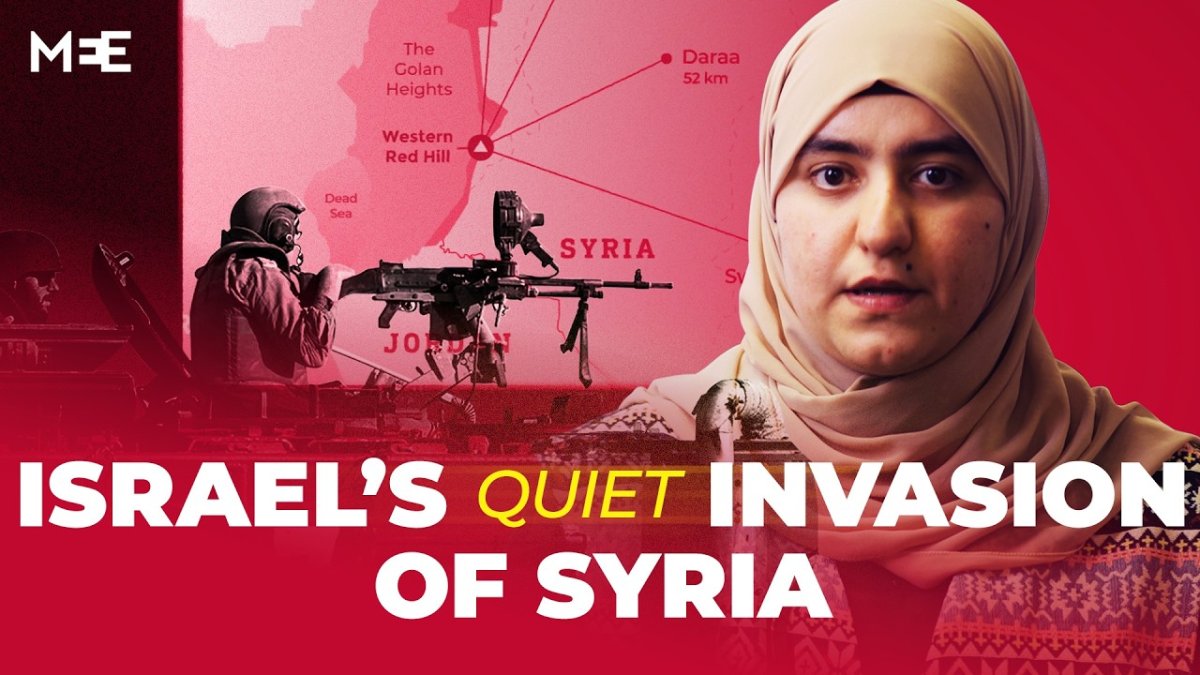
Further records from the same centre show nearly 300 operations or violations in Daraa and Quneitra provinces during June 2026 alone, among them 107 incursions and raids. Over one week in the same month, the centre logged at least 49 violations, including four documented kidnappings of local residents. Such numbers illustrate the sustained pressure placed on communities already navigating the aftermath of regime change.
Military Expansion Under the Guise of Security
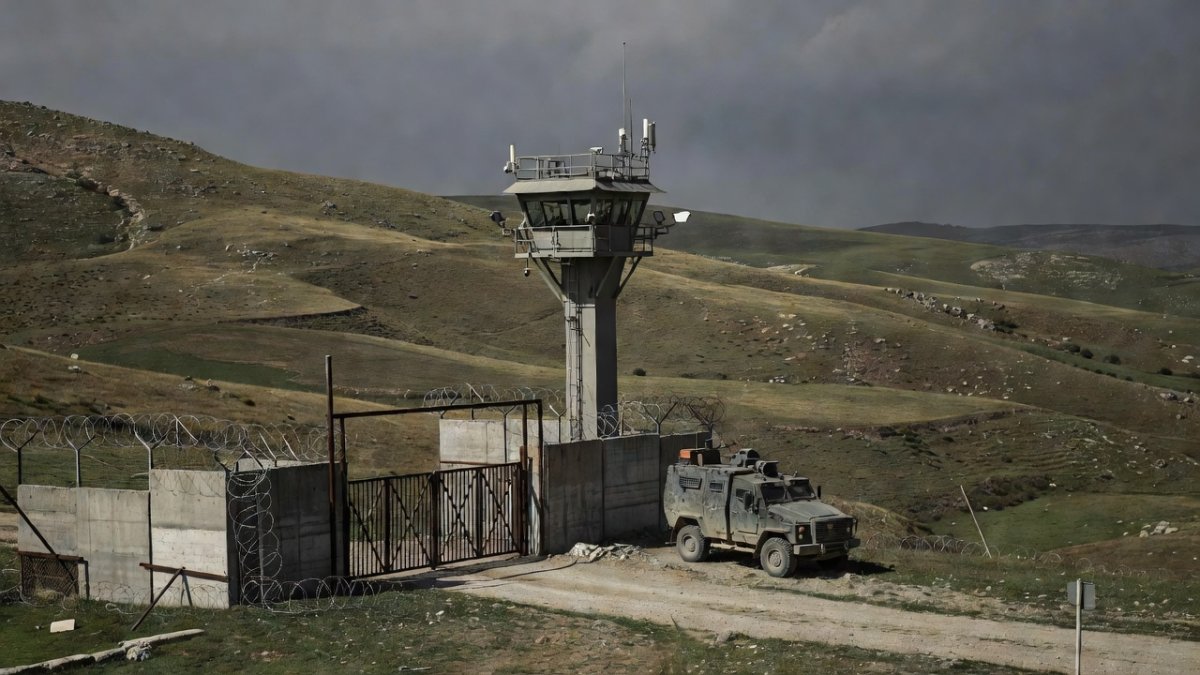
Israeli forces have moved beyond the occupied Golan Heights, seized from Syria in the 1967 war, by installing military gates, expanding surveillance coverage, and establishing additional bases. These measures create physical barriers that restrict movement for Syrian farmers and herders while securing new perimeters for Israeli positions. The approach mirrors earlier tactics used to consolidate control in the Golan, where land seizures and settlement growth followed initial military advances.
Al-Marsad, the Arab Human Rights Centre in the Golan Heights, has tracked the detention of more than 40 Syrian civilians since the expansion began. These arrests occur during raids that often target villages near the new gates and surveillance zones. UN reports have separately noted strikes on local structures and infrastructure, further complicating efforts by residents to maintain basic services in the affected areas.
Life Under Occupation: Displacement and Fear
On 28-29 June 2026, a fresh Israeli assault in southern Syria forced multiple families to abandon their homes. Israeli military statements described operations against armed groups inside a declared security zone but offered no specific details on targets or casualties. For those displaced, the immediate consequence was loss of shelter and access to fields or livestock that sustain livelihoods in rural Daraa and Quneitra.
Residents describe a climate of uncertainty where movement between villages now requires navigating checkpoints and surveillance fields. The pattern of raids and detentions disrupts planting seasons and family networks that have persisted despite earlier phases of the Syrian conflict. Syrian voices recorded in monitoring reports emphasise the cumulative toll: repeated displacement layered on top of economic strain and limited medical access.
These experiences parallel the daily restrictions faced by communities under prolonged occupation elsewhere in the region. Families speak of children growing up with military infrastructure as a constant backdrop, while elders recount how the 1967 seizure of the Golan set the stage for today's deeper incursions.
International Response: Condemnation Without Consequence
Turkey issued a clear condemnation of the latest attacks, describing them as violations of Syrian sovereignty. Syria's foreign ministry likewise denounced the incursions and accompanying bombardment. The European Union called for restraint, while UN documentation continues to record strikes on civilian-adjacent infrastructure without triggering enforceable measures.
Despite these statements, no coordinated diplomatic initiative has altered the trajectory of the expansion. Monitoring organisations note that the absence of accountability mechanisms allows the construction of gates and bases to proceed alongside ongoing raids. This gap between verbal concern and practical response leaves communities in southern Syria exposed to further operations.
A Dangerous Precedent for the Region
The developments documented by the Sijil Centre and Al-Marsad establish a template for incremental territorial control that begins with security infrastructure and evolves into permanent presence. Post-December 2024 dynamics have accelerated this process, turning what were once buffer zones into actively administered areas under Israeli oversight.
Historical context matters here. The Golan Heights remain recognised as occupied Syrian territory under international law, yet the current expansion tests the limits of that framework by operating inside additional provinces without formal annexation announcements. For Palestinian observers, the pattern recalls earlier phases of settlement growth and movement restrictions that reshaped the West Bank over decades.
Local economies in Daraa and Quneitra already face strain from disrupted agriculture and restricted access to markets. Continued raids risk deepening humanitarian needs at a moment when Syria's transitional authorities are attempting to stabilise governance. Syrian civil society groups stress that sustained monitoring remains essential to document the human cost before further facts on the ground become irreversible.
The quiet construction of smart borders and military gates therefore represents more than isolated security measures. It signals a broader reconfiguration of control that affects families, land use, and regional stability alike. Without meaningful international engagement, the trajectory points toward deeper entrenchment rather than withdrawal.
By Fatima Al-Rashid, Staff WriterThis article was produced with AI-assisted research and editorial support. Reporting is based on sources cited in the article.
What's Your Reaction?
 Like
0
Like
0
 Dislike
0
Dislike
0
 Love
0
Love
0
 Funny
0
Funny
0
 Wow
0
Wow
0
 Sad
0
Sad
0
 Angry
0
Angry
0

Gulf/MENA Correspondent at Global1.News. Based in Doha, covering Gulf politics, energy markets, diplomacy, and development across the Middle East and North Africa. Tracks the economic transformation of the Gulf states.












Comments (0)