
Dominion vs. Fox News: The $787.5 Million Reckoning That Shook American Media
Dominion vs. Fox News: The $787.5 Million Reckoning That Shook American Media The Filing That Exposed a Network's Reckless Gamble Dominion Voting Systems filed its $1.6 billion defamation lawsuit against Fox News after the network repeatedly broadcast claims that the company's machines had rigged the 2020 presidential election. Those broadcasts aired across multiple programs in
The Filing That Exposed a Network's Reckless Gamble
Dominion Voting Systems filed its $1.6 billion defamation lawsuit against Fox News after the network repeatedly broadcast claims that the company's machines had rigged the 2020 presidential election. Those broadcasts aired across multiple programs in the weeks following the vote, despite Dominion's established role as a voting technology provider operating in approximately 28 states. The suit documented how Fox amplified allegations without evidence, turning private doubts into public narratives that threatened the company's survival.
The complaint detailed specific on-air statements that Dominion argued crossed into defamation, including assertions that its systems deleted votes or switched tallies to favor one candidate. Court records later showed these claims originated from sources Fox's own journalists had already flagged as unreliable. The lawsuit positioned the case as a direct challenge to a major media outlet's willingness to prioritize audience retention over verified facts.
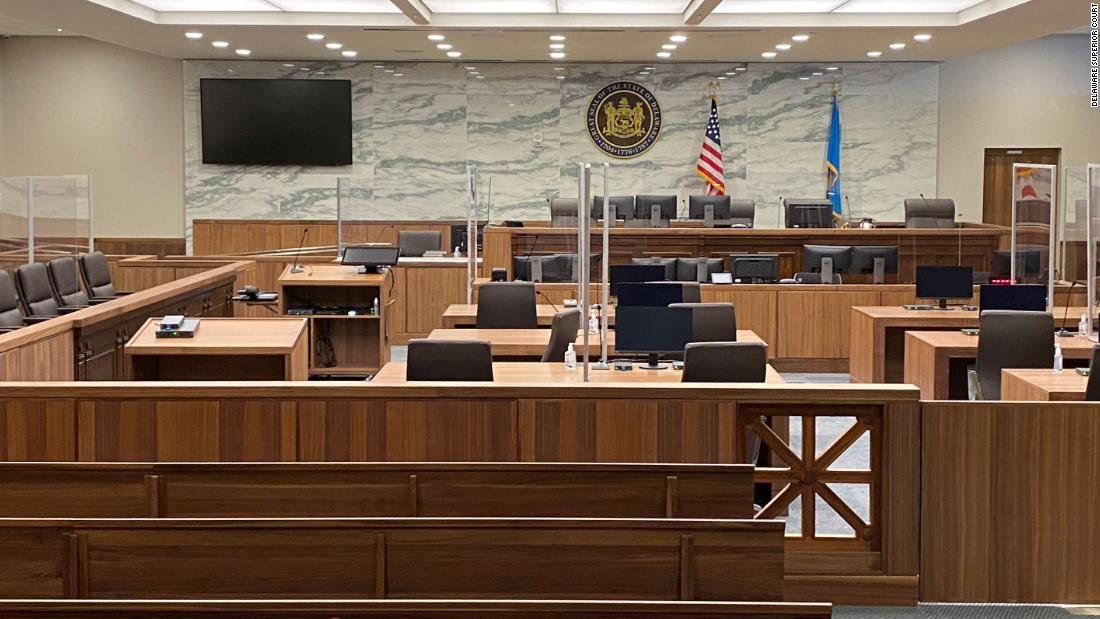
Delaware Superior Court accepted jurisdiction because Fox maintains significant operations in the state, setting the stage for a trial that would test long-standing assumptions about media protections. Dominion's legal team emphasized that the company's reputation and contracts hung in the balance after the false claims spread. This opening move forced Fox to confront internal records that would later prove damaging.
From the outset, the case highlighted how election-related misinformation could migrate from fringe sources to primetime coverage. Dominion argued that Fox had not merely reported on allegations but had endorsed them as credible. The filing itself served as an early warning that accountability mechanisms in American media were beginning to activate.
Discovery That Revealed Private Doubts at the Highest Levels
Pre-trial discovery in the Dominion case produced thousands of internal Fox communications showing that hosts and executives privately questioned the very election claims they aired. These documents demonstrated a gap between on-air presentation and off-air skepticism that extended to senior leadership. The revelations painted a picture of a network aware of the claims' weaknesses yet unwilling to correct course.
One exchange involved Tucker Carlson describing a Trump lawyer as "a joke" in private texts, even as the lawyer's assertions received airtime. Rupert Murdoch separately acknowledged in messages that the claims amounted to "really crazy stuff." Such statements emerged from depositions and document reviews that stripped away any pretense of uniform belief inside the organization.
The discovery process also exposed how audience feedback influenced editorial decisions more than factual verification. Executives tracked viewer reactions in real time and adjusted coverage accordingly, according to the records. This dynamic suggested that commercial pressures overrode journalistic standards during a period of national uncertainty.
Legal analysts noted that the volume and specificity of these internal contradictions left Fox with limited room to argue good-faith reporting. The documents became central exhibits that shifted the case from abstract allegations to concrete evidence of internal awareness. Dominion's attorneys used them to argue that the network had knowingly amplified falsehoods.
The Judge's Unambiguous Ruling on Falsity
Delaware Superior Court Judge Eric Davis issued a pretrial ruling stating it was "CRYSTAL CLEAR" that Fox's statements about Dominion were false. This determination removed the question of truth from the jury's consideration and narrowed the trial to issues of actual malice and damages. The ruling represented a significant legal setback for the defense.
Judge Davis based his conclusion on the absence of any credible evidence supporting the rigging allegations, despite months of on-air repetition. The decision cited Dominion's documented security protocols and the lack of supporting data from election officials. It effectively labeled the broadcasts as demonstrably untrue before opening statements could begin.
The ruling forced Fox to pivot its strategy toward arguing that its hosts had not acted with reckless disregard for the truth. Yet the internal communications already in evidence complicated that defense. Observers viewed the judge's language as unusually direct for a pretrial order in a high-profile defamation matter.
This judicial finding underscored how thoroughly the claims had been debunked by the time the case reached court. It also signaled that Delaware's judiciary would not defer to media defendants when evidence of falsity was overwhelming. The decision set a tone of accountability that carried through the final days before settlement.
Jury Selection and the Shadow of an Open Trial
Jury selection began on April 13, 2023, in Wilmington, Delaware Superior Court, with 300 potential jurors summoned for the high-stakes proceeding. The process unfolded under intense public scrutiny as both sides prepared for what many expected to be a landmark examination of media practices. Court officials managed the large pool carefully to ensure an impartial panel.
The trial itself was scheduled to start on Monday, April 17, 2023, promising weeks of testimony that would include live appearances by Fox executives and on-air talent. Dominion planned to present evidence of financial harm tied directly to the false claims, while Fox intended to defend its coverage as protected opinion. The prospect of such testimony created enormous pressure on both parties.
Potential jurors faced questions about their media consumption habits and views on the 2020 election, reflecting the case's deep entanglement with national divisions. The large number summoned indicated the court's recognition that finding unbiased individuals would be challenging. Legal teams on both sides monitored the process closely for any signs of bias.
The looming trial date concentrated attention on the stakes involved, including the possibility that a jury could award damages far exceeding the $1.6 billion originally sought. Coverage of the jury selection process itself became a daily reminder that a major news organization was finally facing public scrutiny over its election reporting. The atmosphere in Wilmington grew charged as the start date approached.
The Settlement That Avoided Full Accountability
On April 18, 2023, Fox News reached a $787.5 million settlement with Dominion Voting Systems, marking the largest defamation settlement in U.S. history. The agreement came one day after jury selection concluded and just before opening arguments were set to begin. It resolved the case without a verdict but left the judge's earlier findings intact.
Fox admitted no wrongdoing in the settlement documents yet acknowledged the court's determination that the statements were false. The payment represented a substantial financial consequence for the network and its parent company. Dominion described the outcome as validation of its claims, while Fox characterized it as a business decision to move forward.
The timing suggested that Fox leadership calculated the risks of continued litigation outweighed the benefits of a potential defense victory. Internal records already released during discovery had damaged the network's public standing regardless of the final legal result. The settlement amount itself became a benchmark for future defamation cases involving media defendants.
Observers noted that the agreement prevented a full public airing of additional evidence that might have emerged during trial. Still, the record created by pretrial proceedings remained available for examination. The resolution closed one chapter while leaving broader questions about media responsibility unresolved.
Implications for Newsroom Practices and Public Trust
The Dominion settlement prompted immediate discussions inside news organizations about verification standards during politically charged periods. Executives across the industry reviewed their own internal communication policies in light of the discovery materials that had surfaced. The case demonstrated that private skepticism could become public evidence when litigation reached discovery.
Media analysts pointed to the gap between on-air certainty and off-air doubt as a cautionary example for future coverage of contested claims. The $787.5 million figure served as a concrete reminder that reputational and financial costs could accumulate rapidly. Newsrooms began emphasizing documentation of sourcing decisions more rigorously.
Public confidence in election-related reporting suffered measurable damage from the revelations, according to subsequent surveys. The case illustrated how quickly unverified allegations could migrate from social media to established outlets when commercial incentives aligned. Dominion's successful pursuit of accountability offered a template for other companies facing similar attacks.
Legal scholars predicted that the precedent would influence how media defendants approach settlement negotiations in defamation suits. The combination of internal contradictions and a clear judicial finding on falsity created conditions that few organizations would willingly replicate. The episode marked a rare instance in which a major network confronted the consequences of its choices in a public forum.
The Unfinished Business of Media Accountability
Even after the April 2023 settlement, questions lingered about whether structural changes would follow the financial reckoning. Fox continued to operate without admitting liability, leaving critics to argue that the payment alone would not alter underlying incentives. Dominion's victory stood as a historical marker rather than a complete resolution of the issues raised.
The case exposed how audience-driven content decisions could override editorial caution during moments of political tension. Future litigants gained a clearer roadmap for using discovery to surface internal doubts. The $787.5 million figure became a reference point in debates over whether existing legal tools could adequately police misinformation.
Journalists and executives alike studied the released communications for lessons on maintaining consistency between private assessments and public reporting. The episode reinforced the principle that media organizations remain subject to defamation standards when they present allegations as fact. Dominion's persistence through pretrial stages proved essential to reaching any form of accountability.
Ultimately, the settlement closed the courtroom chapter without erasing the record of what discovery had revealed. The events of April 2023 demonstrated that even powerful media entities could face meaningful consequences when evidence of falsity accumulated. That outcome continues to shape discussions about responsibility in American journalism long after the checks were written.
By Jessica Ali, Staff WriterThis article was produced with AI-assisted research and editorial support. Reporting is based on sources cited in the article.
What's Your Reaction?
 Like
0
Like
0
 Dislike
0
Dislike
0
 Love
0
Love
0
 Funny
0
Funny
0
 Wow
0
Wow
0
 Sad
0
Sad
0
 Angry
0
Angry
0

Editor-in-Chief at Global1.News. Atlanta-based journalist who cuts through the BS and tells it like it is. Lead anchor, host, and the voice you hear when the spin stops and the truth starts.














Comments (0)