
Metro Vancouver CAO Jerry Dobrovolny Faces Potential Exit Amid Regional Governance Tensions
Metro Vancouver directors have initiated the process to remove CAO Jerry Dobrovolny amid fallout from the .86B North Shore Wastewater Treatment Plant cost overruns, executive compensation concerns, and ongoing governance tensions across the regional district serving 2.7 million residents.
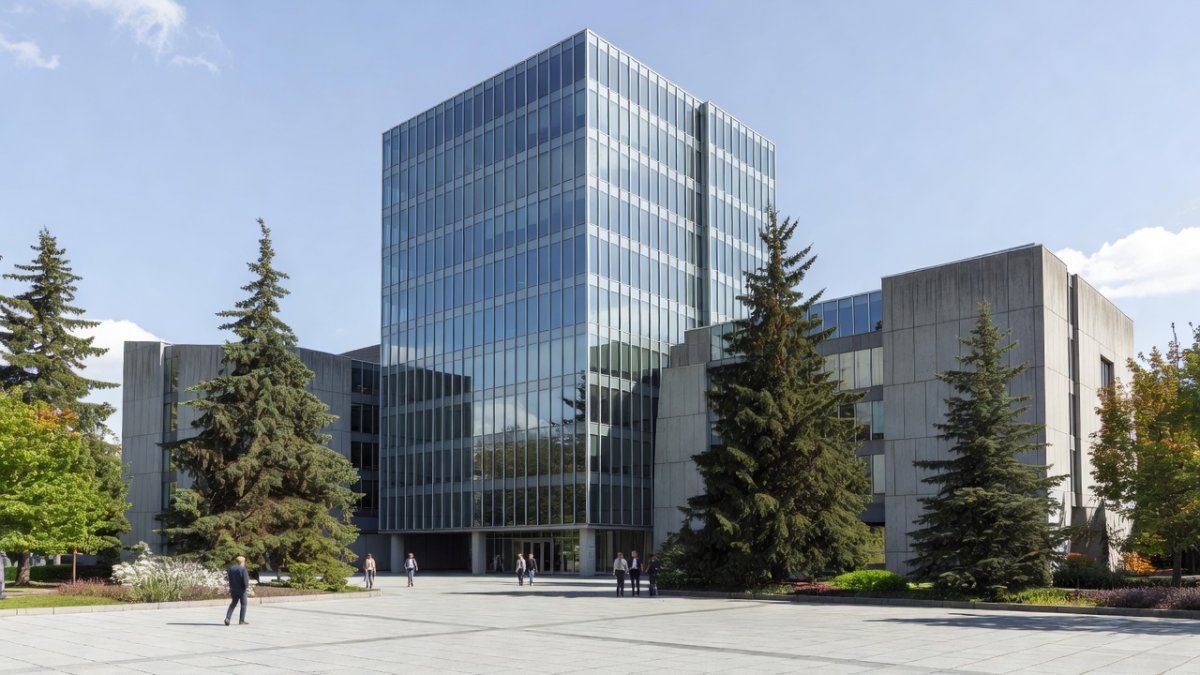
Closed Session Prompts Leadership Review
Directors at Metro Vancouver took steps during a closed board meeting on Thursday to initiate the removal of Chief Administrative Officer Jerry Dobrovolny. Burnaby Mayor Mike Hurley received a request to begin the process after several elected officials expressed frustration with project management and internal communications. Those familiar indicated a mutual agreement is preferred to avoid prolonged public acrimony and legal costs associated with termination. Arrangements are expected to be finalised within the coming days, potentially before the next scheduled board session.
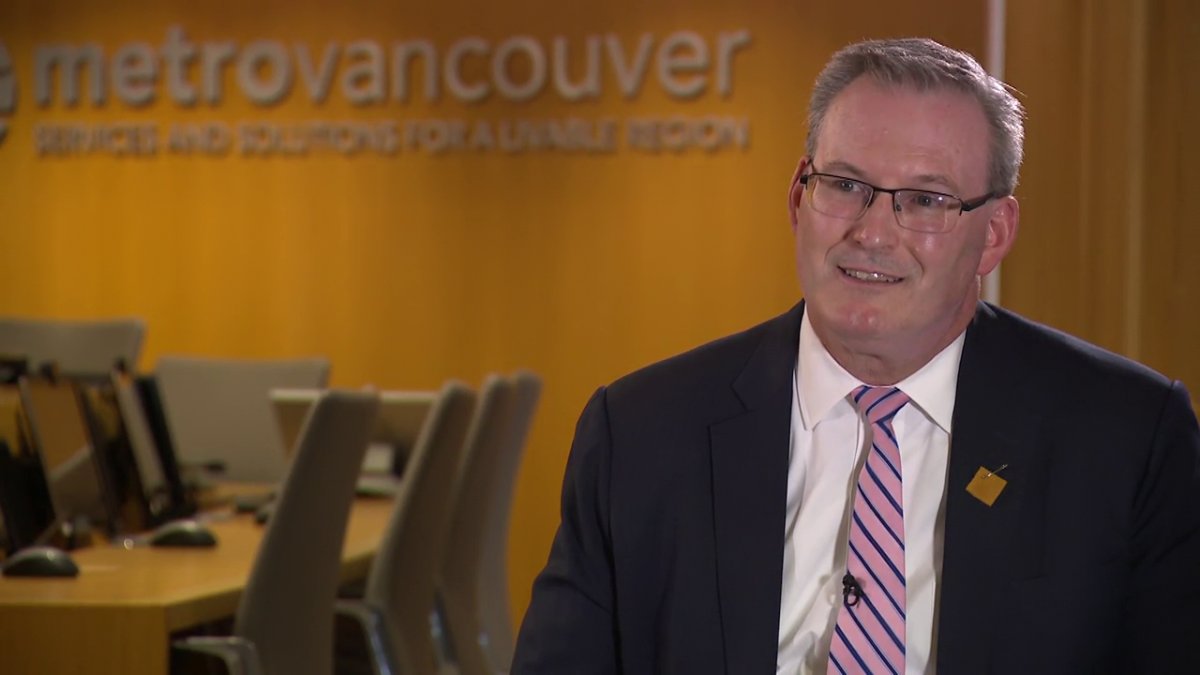
The closed-door nature of the discussion has drawn criticism from transparency advocates who argue that decisions affecting 2.7 million residents should receive more public scrutiny. Mayor Hurley, who chairs the board, has emphasised that any separation would follow proper governance protocols outlined in Metro Vancouver’s bylaws. Several directors from smaller municipalities have privately voiced support for a fresh start in leadership to restore confidence among member governments.
Political observers note that similar closed sessions have preceded high-profile departures in other British Columbia regional districts, including the Capital Regional District in Victoria. The preference for a negotiated exit reflects a desire to maintain stability during ongoing labour negotiations and major capital projects. Sources close to the board suggest compensation packages and non-disclosure terms are already under discussion.
Long-Standing Concerns Over Major Project Delivery
Dobrovolny has held the role since 2014, overseeing an organisation responsible for water, wastewater, solid waste and regional planning across twenty-one municipalities plus one electoral area and the Tsawwassen First Nation. The North Shore Wastewater Treatment Plant stands as the most visible example of cost escalation under his tenure. Originally budgeted near $800 million in the mid-2010s, the project’s price tag has climbed to $3.86 billion amid contractor disputes, design changes and inflation pressures.
Contractor Acciona was removed from the site in 2023 after repeated missed milestones and quality concerns. Metro Vancouver subsequently launched legal proceedings seeking damages, while the province and federal government have been asked to cover portions of the overrun. Multiple mayors from North Shore communities have cited the plant’s ballooning costs as a central factor in their loss of confidence in senior management.
Broader Canadian patterns show similar infrastructure overruns at the municipal level, from Ottawa’s light-rail project to Toronto’s subway extensions. Analysts attribute these increases to optimistic initial estimates, supply-chain disruptions and evolving environmental standards. Metro Vancouver residents now face the prospect of higher utility rates to service the additional debt, prompting calls for independent audits of all major capital works.
Executive Compensation and Governance Questions
In 2023 Dobrovolny received a base salary of $451,000, a retroactive adjustment of $172,000 and performance pay of nearly $20,000, bringing his total compensation above $643,000. This figure places him among the highest-paid municipal chief administrative officers in Canada, exceeding the compensation reported for the CAO of the City of Vancouver and comparable to senior roles in Toronto and Calgary despite Metro Vancouver’s narrower service mandate.
Critics point to “scope creep” in the organisation’s activities, noting that Metro Vancouver has expanded into areas such as regional housing policy and climate action that some member municipalities believe belong at the local level. The regional district serves 2.7 million residents across twenty-one municipalities, one electoral area and one treaty First Nation, creating inherent tensions over authority and taxation.
Comparisons with other Canadian regional bodies highlight ongoing debates about appropriate pay scales. The CAO of the Region of Peel, for example, earned approximately $380,000 in the same period, while the head of the Capital Regional District received roughly $320,000. Board directors have defended the higher compensation by citing the complexity of coordinating twenty-three distinct jurisdictions, yet public reaction has been sharply negative amid rising property taxes.
Internal Investigation Into Media Disclosures
In April, Metro Vancouver retained external legal counsel at public expense to examine how sensitive information has reached the media. The review encompasses forty-one mayors and councillors who sit on various committees. No findings have been released publicly, leaving elected officials and staff uncertain about potential disciplinary measures.
The investigation follows a series of articles detailing project delays and internal disagreements. Some directors view the probe as necessary to protect confidential deliberations, while others worry it chills legitimate oversight. Legal costs for the review have already exceeded $150,000 according to board documents obtained through freedom-of-information requests.
Similar internal reviews have occurred in other Canadian regional governments, including the Greater Toronto Area’s regional municipalities, often producing mixed results on accountability. Residents in Metro Vancouver have expressed frustration that taxpayer funds are being used to police information flow rather than resolve the underlying cost and governance issues.
Labour Relations Add Further Pressure
An active dispute involving Metro Vancouver outside workers remains unresolved. The union representing approximately 1,200 employees has rejected the latest wage offer and indicated possible escalation to full-scale strike action. The timing coincides with the leadership discussions, complicating any transition period.
Union representatives have cited workload pressures stemming from delayed capital projects and recruitment challenges in a tight labour market. Management has pointed to competitive compensation packages already in place, yet negotiations have stalled over inflation adjustments and benefits. A work stoppage would affect water treatment, waste collection and regional parks across the Lower Mainland.
Historical precedents in British Columbia show that prolonged municipal strikes often erode public trust in both elected officials and appointed administrators. Board members are therefore anxious to stabilise labour relations before confirming any change in the chief administrative officer position.
Regional District Model in British Columbia Context
Metro Vancouver functions as one of twenty-seven regional districts established under provincial legislation dating back to the 1960s. The model was designed to deliver services that cross municipal boundaries while preserving local autonomy. The current episode illustrates tensions when project delivery, financial oversight and executive accountability intersect within this federated structure.
Historical frictions between the City of Vancouver and suburban municipalities have repeatedly surfaced over growth management, transit funding and taxation. Smaller communities such as Langley and Maple Ridge have long argued that their voices are marginalised in board decisions dominated by larger centres. These dynamics have intensified as infrastructure costs rise and provincial grants fail to keep pace.
Comparisons with regional governance controversies elsewhere in Canada, including disputes in the Region of Waterloo and the Halifax Regional Municipality, reveal recurring themes of executive overreach and uneven power distribution. British Columbia’s regional district system remains unique in its flexibility, yet the Dobrovolny matter underscores the need for clearer accountability mechanisms.
What This Means
The developments reflect recurring challenges in Canadian regional governance: balancing ambitious infrastructure goals with fiscal discipline, maintaining public trust in executive compensation, and ensuring communication between appointed officials and elected directors. For Metro Vancouver residents, the immediate implications include potential delays in wastewater upgrades and continued uncertainty over utility rates.
Taxpayers across the region have voiced concerns through social media and council delegations that the cost overruns at the North Shore plant will translate into higher monthly bills for years to come. Community groups in North Vancouver and West Vancouver have organised petitions calling for independent reviews of all major projects undertaken since 2014.
Broader lessons from similar Canadian episodes suggest that leadership transitions alone rarely resolve structural governance weaknesses. Without reforms to budgeting practices and inter-municipal decision-making, Metro Vancouver risks repeating the cycle of overruns and public dissatisfaction.
Forward-Looking Considerations
Should a mutual separation be confirmed, the board will face selecting interim leadership. The leak investigation outcome and labour talks will influence the transition environment, potentially extending the period of uncertainty into the autumn. Directors have begun quietly canvassing candidates both internally and from other regional districts.
Provincial officials in Victoria have monitored the situation but have so far declined to intervene, consistent with the hands-off approach taken toward other regional district matters. Any new CAO will inherit not only the wastewater project litigation but also emerging priorities such as regional housing targets and climate adaptation plans.
Residents can expect continued scrutiny of compensation levels and project management practices. The episode may prompt legislative reviews of regional district powers, particularly around major capital approvals and public reporting requirements. How the board navigates the coming months will shape perceptions of Metro Vancouver’s governance for the next decade.
By Alex Thompson, Staff Writer
This article was produced with AI-assisted research and editorial support. Reporting is based on sources cited in the article.
What's Your Reaction?
 Like
0
Like
0
 Dislike
0
Dislike
0
 Love
0
Love
0
 Funny
0
Funny
0
 Wow
0
Wow
0
 Sad
0
Sad
0
 Angry
0
Angry
0
Canada Correspondent at Global1.News. Based in Toronto, covering Canadian politics, energy, trade, and US-Canada relations. Provides the Canadian perspective on North American and global affairs.













Comments (0)