
Silicon Valley Bank's March 2023 Collapse and Its Disproportionate Impact on Entrepreneurs of Color
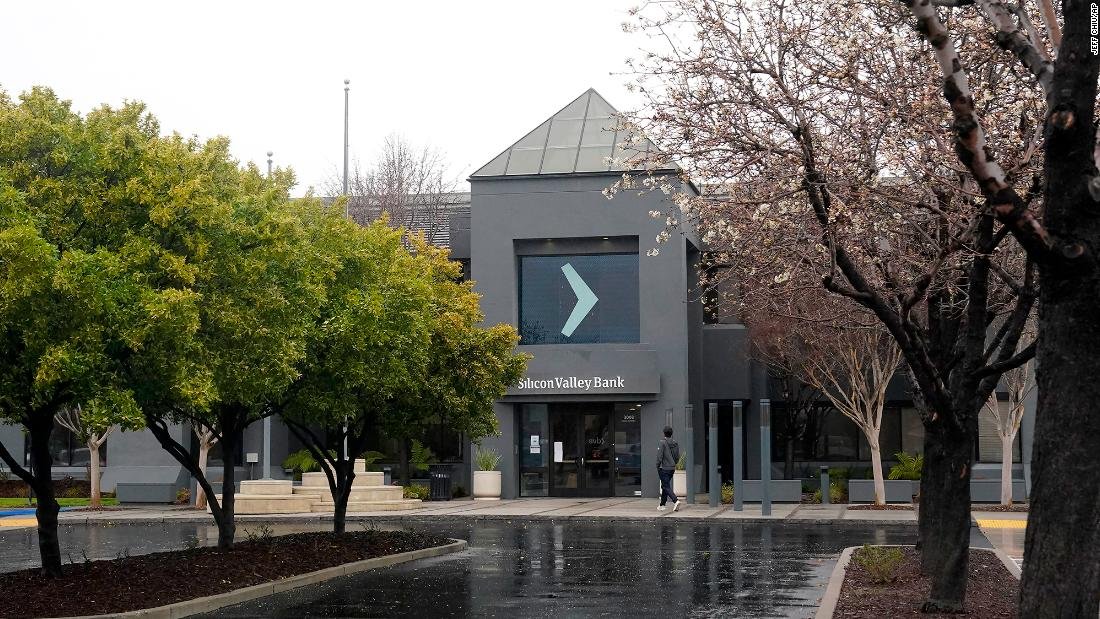
The Events of March 10, 2023 and Immediate Aftermath The collapse of Silicon Valley Bank on March 10, 2023 marked a pivotal moment in the U.S. banking sector. As customers rushed to withdraw billions of dollars, the institution that had served nearly half of all venture-backed technology and life-sciences companies ceased operations. This event occurred well before any later re
The Events of March 10, 2023 and Immediate Aftermath
The collapse of Silicon Valley Bank on March 10, 2023 marked a pivotal moment in the U.S. banking sector. As customers rushed to withdraw billions of dollars, the institution that had served nearly half of all venture-backed technology and life-sciences companies ceased operations. This event occurred well before any later regulatory adjustments, leaving many founders without immediate access to payroll and operational funds.
Reporting from April 2023 captured how the failure exposed vulnerabilities that extended beyond general market instability. Entrepreneurs who relied on the bank for core services faced acute pressure, particularly those from underrepresented backgrounds who had fewer alternative options available at the time.
Arlan Hamilton's Direct Intervention Following the March 10 Failure
Venture capitalist Arlan Hamilton, founder and managing partner of Backstage Capital, moved quickly after the March 10, 2023 collapse to assist founders of color concerned about payroll access. At age 43 and with nearly a decade of experience, Hamilton recognized the constrained choices facing these startup leaders. Her assessment framed the situation in structural terms: minority entrepreneurs already operated from positions of relative disadvantage, making them more susceptible to sudden disruptions like the SVB failure.
Hamilton's comments in April 2023 reporting emphasized that the bank had built a reputation for engaging communities often overlooked by larger institutions. This engagement included both financial support and social connections that proved difficult to replicate elsewhere in the immediate wake of the March 10 events.
SVB's Established Practices with Minority Entrepreneurs Before March 2023
Founded in 1983, Silicon Valley Bank had grown to become America's 16th largest bank by the end of 2022. Its approach included regular sponsorship of conferences and networking events aimed at minority entrepreneurs. The bank also supported the annual State of Black Venture Report produced by BLK VC, an organization focused on connecting Black investors.
Entrepreneurs such as Joynicole Martinez, with 25 years of experience and serving as chief advancement and innovation officer for Rising Tide Capital, noted in April 2023 that SVB frequently approved financing requests when other banks declined. The institution additionally supplied discounted technology tools and research funding to its clients, practices that distinguished it from many competitors prior to the March 10 collapse.
Documented Lending Disparities Highlighted in 2021 Data
Longstanding patterns of limited capital access for minority business owners received renewed attention after the March 10, 2023 events. Data from the Small Business Credit Survey, compiled by all 12 Federal Reserve banks, illustrated clear differences in loan outcomes. In 2021, approximately 16 percent of Black-led companies secured the full amount of financing sought from banks, compared with 35 percent of White-owned companies.
Experts interviewed in April 2023, including Martinez, pointed to historic and systemic factors in lending decisions as the starting point for understanding these gaps. They argued that discussions of the SVB failure needed to address these underlying patterns rather than treating the March 10 collapse as an isolated incident.
Immigrant Founders' Mobilization and Banking Alternatives
Following the March 10, 2023 collapse, immigrant founder Asya Bradley joined a WhatsApp group exceeding 1,000 members that quickly organized mutual support. Bradley, who leads companies including Kinley, a financial services firm focused on generational wealth building for Black Americans, highlighted practical barriers such as the absence of Social Security numbers or permanent U.S. addresses for many in the group.
Bradley explained in April 2023 reporting that women, people of color, and immigrants often turned to regional or community banks like SVB after repeated rejections from the largest four institutions: JPMorgan Chase, Bank of America, Wells Fargo, and Citibank. In her own experience, opening a business account at one of those major banks required a co-signer from a family member.
Industry Responses and Commitments Referenced in April 2023
April 2023 coverage also included statements from major bank leadership regarding ongoing community investments. JPMorgan Chase CEO Jamie Dimon described the firm's placement of 30 percent of its branches in lower-income neighborhoods alongside a $30 billion commitment directed toward Black and Brown communities.
These remarks occurred against the backdrop of the SVB failure three weeks earlier, prompting further examination of whether existing commitments adequately addressed the service gaps that had driven many entrepreneurs of color toward institutions like Silicon Valley Bank before its March 10, 2023 closure.
By Jessica Ali, Staff WriterThis article was produced with AI-assisted research and editorial support. Reporting is based on sources cited in the article.
What's Your Reaction?
 Like
0
Like
0
 Dislike
0
Dislike
0
 Love
0
Love
0
 Funny
0
Funny
0
 Wow
0
Wow
0
 Sad
0
Sad
0
 Angry
0
Angry
0

Editor-in-Chief at Global1.News. Atlanta-based journalist who cuts through the BS and tells it like it is. Lead anchor, host, and the voice you hear when the spin stops and the truth starts.














Comments (0)