
UK Hedgehogs at Risk as 2026 Heatwave Crisis Worsens
As Britain endures its most punishing heatwaves in decades, native hedgehogs and swifts are collapsing under the strain, with sanctuaries overwhelmed by dehydrated and starving animals. The crisis threatens to erase fragile population gains and push these familiar species closer to local extinction. Conservationists warn that without urgent public action, the losses could prove irreversible. UK Hedgehogs at Risk as 2026 Heatwave Crisis Worsens London, UK – 19 July 2026 — The United Kingdom ha...
As Britain endures its most punishing heatwaves in decades, native hedgehogs and swifts are collapsing under the strain, with sanctuaries overwhelmed by dehydrated and starving animals. The crisis threatens to erase fragile population gains and push these familiar species closer to local extinction. Conservationists warn that without urgent public action, the losses could prove irreversible.
UK Hedgehogs at Risk as 2026 Heatwave Crisis Worsens
London, UK – 19 July 2026 — The United Kingdom has endured repeated heatwaves through summer 2026, with temperatures regularly exceeding 30°C across England and Wales. This prolonged extreme weather has placed severe pressure on native species, particularly hedgehogs and swifts. Wildlife sanctuaries report unprecedented numbers of heat-stressed animals requiring intervention.
Hedgehog Numbers Already Halved Since the Early 2000s
The State of Britain's Hedgehogs report documented the loss of approximately a quarter of urban hedgehog populations in the first decade of the century. Overall numbers have fallen by 30-50% since the early 2000s, according to the British Hedgehog Preservation Society and the People's Trust for Endangered Species. The National Hedgehog Monitoring Programme continues to track these trends across England, Scotland and Wales.
The People's Trust for Endangered Species has tracked a relentless decline in Britain's hedgehog population since the 1990s, when estimates placed the national total at around 1.5 million. By the early 2020s that figure had fallen below 750,000, representing a halving in little more than two decades. The 2025 State of Britain's Hedgehogs report, compiled jointly with the British Hedgehog Preservation Society, confirms the trend continues unabated, with rural populations in particular suffering steep losses linked to agricultural intensification and habitat fragmentation.
Regional disparities reveal the uneven nature of the crisis. In England, the South East and East of England have recorded the sharpest drops, with urban fringe populations in counties such as Hertfordshire and Essex falling by more than 60 percent since 2000 according to PTES volunteer surveys. Scotland's hedgehog numbers have declined more slowly, though the species remains absent from large areas of the Highlands and Islands; Wales shows moderate losses concentrated in the intensively farmed counties of Pembrokeshire and Carmarthenshire. Northern Ireland's population is the least studied, but local Wildlife Trust data suggest a 40 percent reduction over the same period.
British households feel the absence directly. Gardeners in postcodes such as OX1 and EH3 report fewer nocturnal visitors and reduced natural pest control, forcing greater reliance on chemical slug pellets that further harm remaining hedgehogs. Local planning authorities in cities including Bristol and Manchester have begun requiring hedgehog-friendly boundaries in new housing approvals, yet enforcement remains patchy.
Dehydration and Food Scarcity Hit Hard in Cities and Countryside
Urban hedgehogs in London, Manchester and Birmingham face acute dehydration as garden ponds dry out and invertebrate prey becomes scarce. In rural areas of Yorkshire and the West Country, farmers report reduced earthworm activity in parched soils. The 2026 heatwave has reversed early signs of population stabilisation recorded in recent National Hedgehog Monitoring Programme data.
Prolonged drought conditions have devastated earthworm populations, the primary food source for hedgehogs, with Rothamsted Research recording reductions of up to 70 percent in southern English soils during the 2022 and 2024 dry spells. Without adequate moisture, worms retreat deeper or perish, leaving hedgehogs to forage over larger territories and expend critical energy reserves. Urban green spaces managed by local councils have fared little better; many London boroughs and West Midlands authorities reduced irrigation of parks and verges to meet hosepipe restrictions, further desiccating invertebrate habitats.
The Royal Horticultural Society's 2024 garden pond survey found that only 12 percent of domestic ponds in England and Wales retained sufficient water depth through summer, depriving hedgehogs of both drinking sources and amphibian prey. Council responses vary markedly across the nations. Scottish local authorities in Edinburgh and Glasgow have introduced emergency wildlife water stations in public parks, while Welsh councils in Cardiff and Swansea have partnered with the Wildlife Trusts to install drought-resistant log piles.
The practical impact on British gardens is immediate. Households in drought-affected postcodes report increased sightings of lethargic hedgehogs during daylight hours, a sign of desperation that often precedes mortality. The RHS recommends leaving shallow dishes of water and meat-based cat food in shaded corners, yet uptake remains low outside dedicated wildlife gardening groups.

Swifts Also Struggle as Nest Sites Fail in Record Heat
Swift populations nesting in historic buildings and new housing developments across southern England have suffered high nest-site mortality. Conservation groups note that extreme temperatures have compounded existing pressures from habitat loss and pesticide use, leaving fewer birds returning to traditional breeding sites in Oxfordshire and Kent.
Sanctuaries Across Britain Report Record Admissions
Wildlife centres from the Scottish Borders to Cornwall describe a surge in admissions of dehydrated and malnourished hedgehogs. Staff at facilities supported by the British Hedgehog Preservation Society say they have never handled such volumes during a single summer. Many animals arrive too weak to forage independently.
Tiggywinkles Wildlife Hospital in Buckinghamshire admitted more than 1,200 hedgehogs in the first eight months of 2025, a 35 percent increase on the previous year, with the majority suffering from severe dehydration and heat stress. Secret World Wildlife Rescue in Somerset recorded 890 admissions over the same period, many arriving emaciated after travelling long distances in search of food. Both centres report that young hoglets born during the drought lack the fat reserves needed for hibernation, requiring intensive supplementary feeding and fluid therapy that stretches limited veterinary resources.
Species-specific care needs have grown more complex. Heat-stressed hedgehogs frequently present with flystrike and secondary infections, necessitating isolation units and round-the-clock monitoring that smaller facilities struggle to provide. Funding pressures are acute: Tiggywinkles relies heavily on public donations, which dipped during the cost-of-living crisis, while Secret World has launched emergency appeals to cover rising feed and medication costs.
These pressures directly affect British households that discover distressed animals. Many callers to sanctuaries live in suburban postcodes where garden ponds have dried out, forcing hedgehogs onto roads in search of water. Local councils in affected areas have begun signposting residents to accredited rescue centres, yet capacity constraints mean some animals cannot be collected for days.
Public Urged to Create Hedgehog Highways and Provide Water
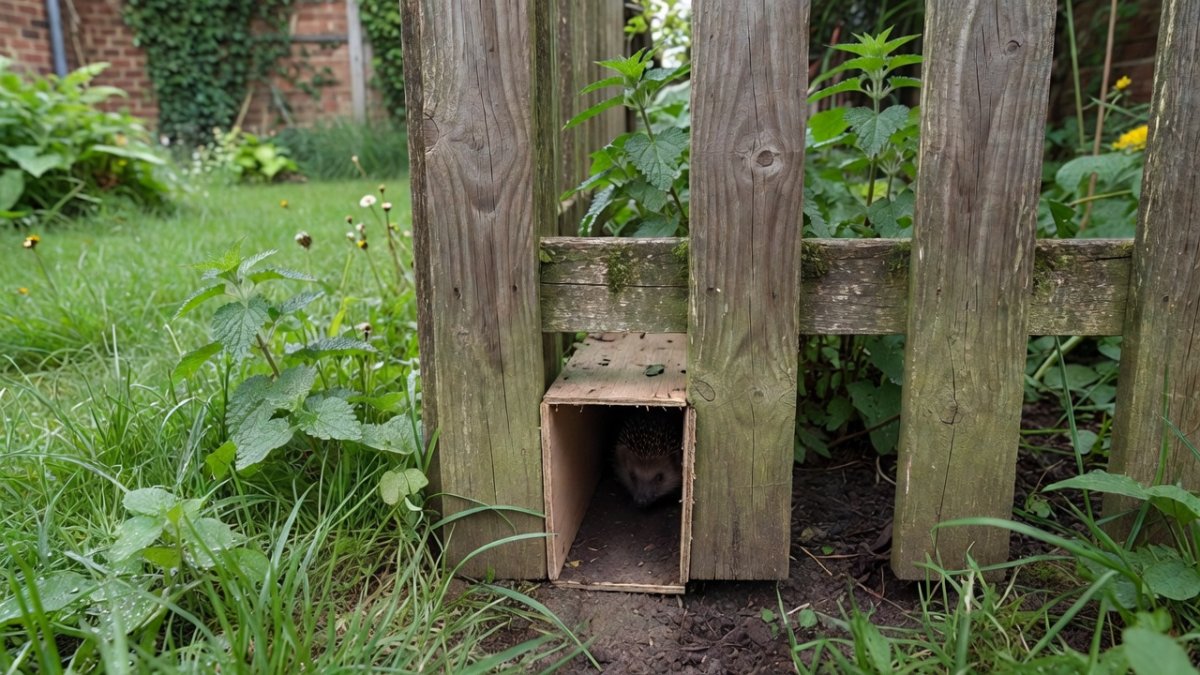
Conservationists call on households to leave shallow water bowls in gardens and cut 13cm gaps in fences to allow hedgehogs safe passage between properties. These simple measures, promoted through the National Hedgehog Monitoring Programme, can significantly improve survival rates in both suburban streets and rural villages.
The hedgehog highway campaign, coordinated by the British Hedgehog Preservation Society, encourages householders to create 13-by-13 centimetre gaps in garden fences or to install purpose-built tunnels beneath boundaries. Regional take-up has been strongest in the South West and East Anglia, where Wildlife Trust partnerships have distributed more than 18,000 highway kits since 2023. In Scotland, adoption rates remain lower outside the Central Belt, while Wales has seen steady growth through RSPB-linked community events.
The campaign's success depends on dense networks of connected gardens. In cities such as Oxford and York, neighbourhood groups have mapped entire streets, achieving over 60 percent participation in targeted postcodes. The RSPB and county Wildlife Trusts provide free guidance and sometimes subsidised materials, yet planning laws still permit solid fencing that severs these routes.
British households that install highways report renewed hedgehog activity within weeks, restoring a sense of ecological balance to urban gardens. Schools in participating areas often incorporate the project into environmental education, fostering early awareness among children.
Local Communities Feel the Loss of a Familiar Neighbour
Residents in areas such as Bristol and Newcastle have noticed fewer hedgehogs visiting gardens this summer. The decline affects not only biodiversity but also the sense of connection many Britons feel with their immediate natural surroundings. Lower-income households with smaller gardens often lack the resources to create suitable refuges without coordinated local support.
Community-led initiatives have emerged in response to the visible decline. In Bristol, the Avon Wildlife Trust coordinates a network of hedgehog champions who monitor sightings via a dedicated app, recording a 45 percent drop in urban postcodes since 2018. Edinburgh's Hedgehog Hotspots project, run with city council support, engages primary schools in constructing log shelters and mapping garden access. Similar programmes in Cardiff and Belfast link sightings data to local planning consultations, giving residents a voice in development decisions.
School involvement has proved particularly effective. In Manchester and Leeds, pupils participate in annual hedgehog surveys that feed into national PTES databases, building both scientific literacy and emotional investment. Northern Irish schools in the Greater Belfast area have begun similar schemes through the Ulster Wildlife Trust, though funding remains limited. The loss extends beyond ecology; many older residents recall abundant hedgehogs in childhood gardens that are now absent, eroding a tangible connection to local wildlife.
Recovery Remains Possible if Action Follows Warnings
While some populations showed tentative recovery before 2026, the current heatwave threatens to erase those gains. Continued monitoring by the People's Trust for Endangered Species and public participation in simple conservation steps offer the best chance of preventing further losses. Without swift intervention, Britain's hedgehogs risk sliding closer to extinction.
Policy context shapes these grassroots responses. Local councils in England must consider biodiversity under the 2021 Environment Act, yet few have integrated hedgehog data into neighbourhood plans. DEFRA's encouragement of community science offers a partial bridge, but sustained investment in accessible green corridors will determine whether British households can once again share their gardens with this iconic species.
By Erica Thornton, Staff Writer
This article was produced with AI-assisted research and editorial support. Reporting is based on sources cited in the article.
What's Your Reaction?
 Like
0
Like
0
 Dislike
0
Dislike
0
 Love
0
Love
0
 Funny
0
Funny
0
 Wow
0
Wow
0
 Sad
0
Sad
0
 Angry
0
Angry
0

US Politics and Policy Correspondent at Global1.News. Based in Washington DC, covering American politics, policy, elections, and the courts. Knows how the system works and tells you what it actually means.















Comments (0)