
Saudi-Backed Yemeni Forces Strike Sana'a Airport to Block Iranian Plane as Regional Tensions Explode
<p>The i24NEWS English YouTube video titled "Saudi-backed Yemeni government says it attacked Sana'a airport after Iran violated airspace" opens with footage from July 13, 2026, showing smoke rising from the runway at Sana'a International Airport after Yemeni forces backed by Saudi Arabia struck the facility to block an Iranian Mahan Air plane carrying a Houthi delegation returning from Tehran.</p> <p></p> <hr> <p><strong>Saudi-Backed Yemeni Forces Strike Sana'a Airport to Block Iranian Plane as

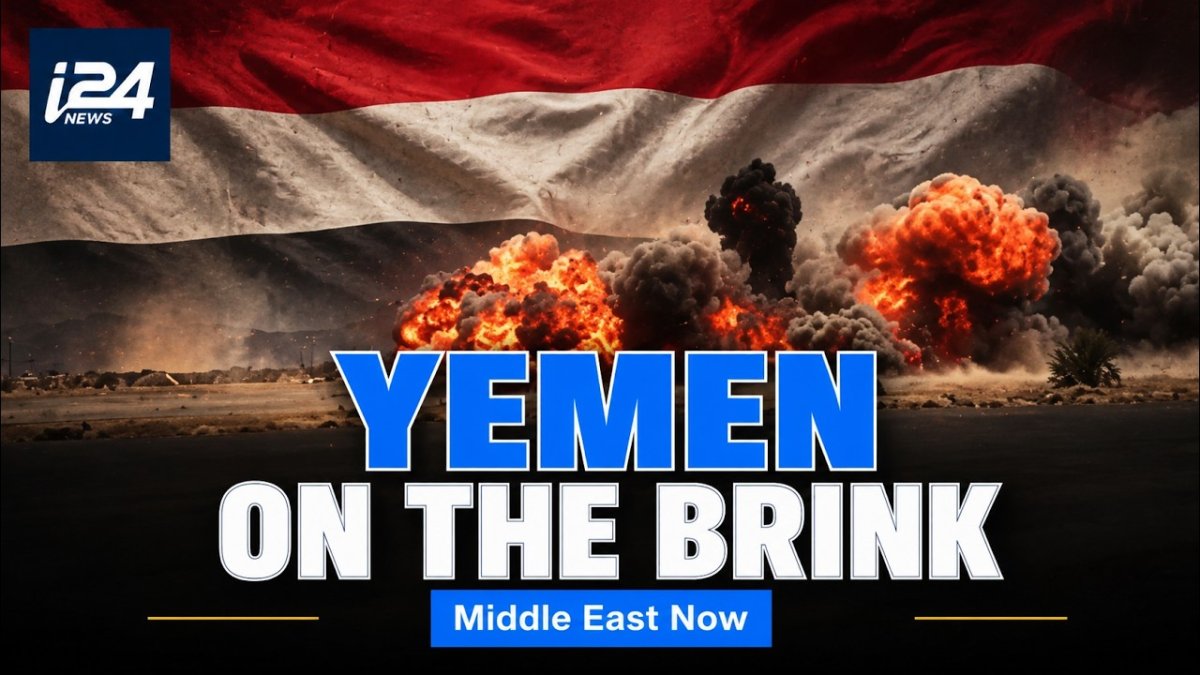
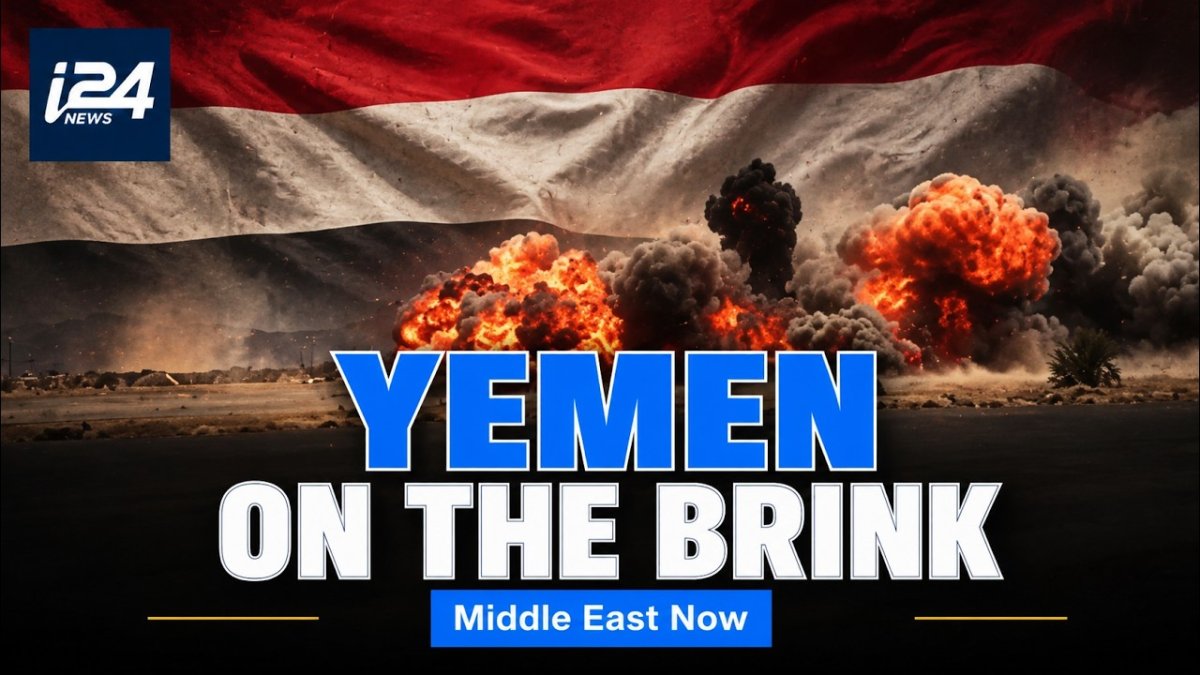
The i24NEWS English YouTube video titled "Saudi-backed Yemeni government says it attacked Sana'a airport after Iran violated airspace" opens with footage from July 13, 2026, showing smoke rising from the runway at Sana'a International Airport after Yemeni forces backed by Saudi Arabia struck the facility to block an Iranian Mahan Air plane carrying a Houthi delegation returning from Tehran.
Saudi-Backed Yemeni Forces Strike Sana'a Airport to Block Iranian Plane as Regional Tensions Explode
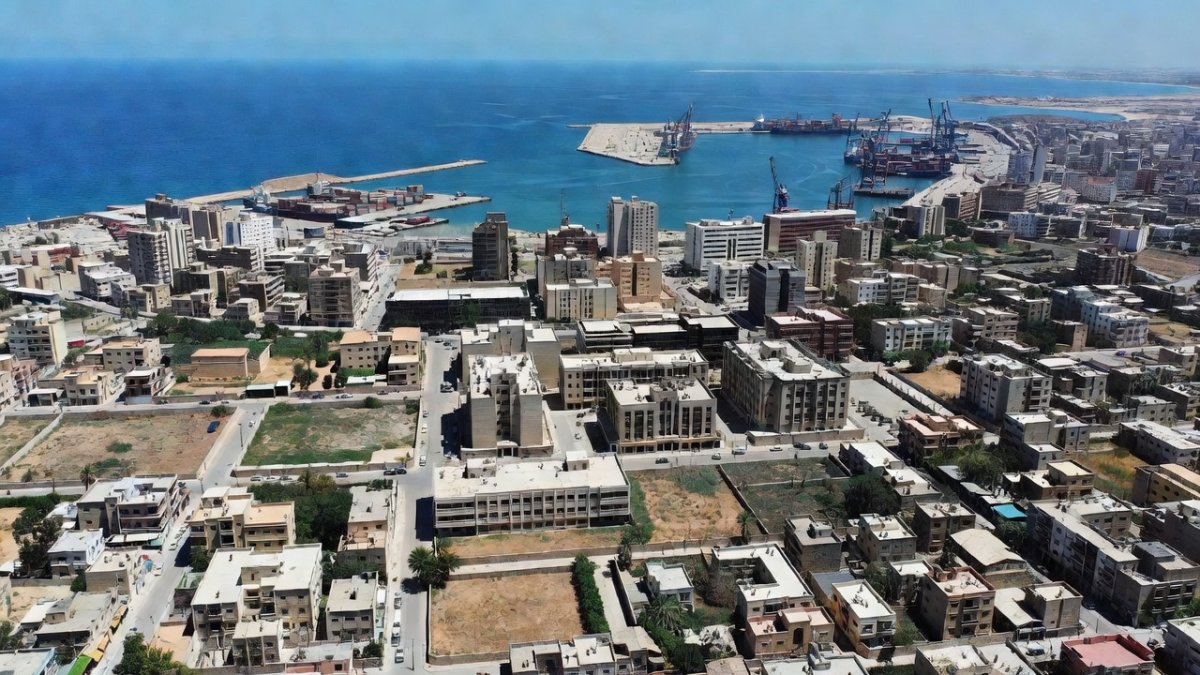
Jerusalem, Israel – July 14, 2026 — Yemen's internationally recognized government, backed by Saudi Arabia, struck the runway of Houthi-controlled Sana'a International Airport on Monday to prevent an Iranian Mahan Air plane from landing, triggering a rapid military escalation that saw Houthi forces retaliate with ballistic missiles and drones targeting Saudi Arabia's Abha International Airport.
The Yemeni Defense Ministry confirmed the airstrikes, warning that its "patience has run out" regarding repeated Iranian violations of Yemen's airspace. The Iranian aircraft, carrying a Houthi delegation returning from Tehran, was forced to divert and ultimately landed at Yemen's Hodeidah International Airport, according to the IRGC-run Fars News Agency.
Defense Ministry Issues Airspace Warning
Yemen's Defense Ministry stated on Monday that its patience had run out over repeated Iranian and Houthi violations of Yemen's airspace, directly preceding the runway strike at Sana'a International Airport controlled by Houthis. The ministry's statement named specific prior incidents involving Iranian flights entering Yemeni territory without clearance, linking the action to ongoing efforts by the Yemeni government operating from Aden to reassert control over Houthi-held areas in the north.
A spokesperson for the Yemeni Defense Ministry declared that "the Yemeni legitimate government, in cooperation with the regional and international community, and by all diplomatic and legal means, has tried to convince the Iranian regime and the Houthi coup militias in Sana'a to return to the armed forces and not to penetrate the Yemeni airspace with the Iranian planes."
Houthi Retaliation Targets Saudi and Bahraini Sites
Houthi military spokesperson Yahya Saree announced that the Sana'a airport strike marked the end of the de-escalation phase, with the Iran-backed group launching ballistic missiles and drones at Saudi Arabia's Abha International Airport within hours of the initial strike. Saudi air defenses intercepted the incoming projectiles over Abha, while Bahrain separately reported intercepting several Iranian aerial attacks launched in coordination with Houthi forces.
"This aggression will not pass without a response and punishment," Saree declared, adding that the attack was "bringing an end to the de-escalation phase" in the group's confrontation with Riyadh. The Houthis had observed a fragile four-year ceasefire with Saudi Arabia, which now lies in ruins.
ICRC Aircraft Detained at Sana'a
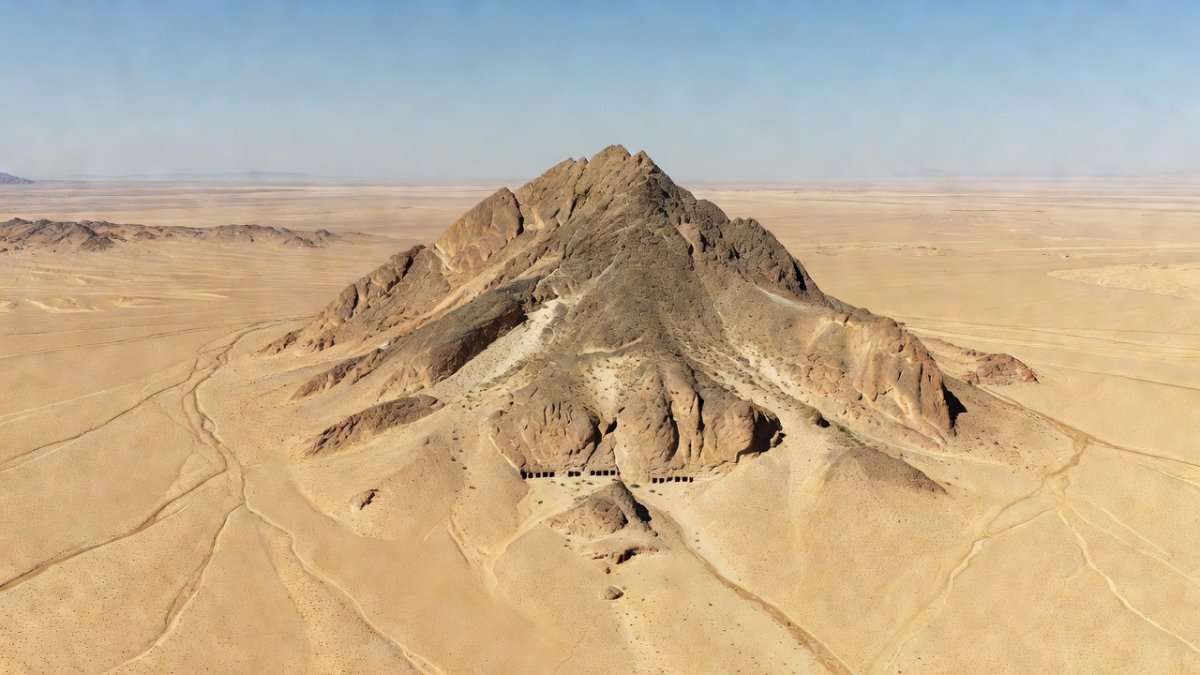
Yemeni Information Minister Moamar al-Eryani reported that Houthi forces detained an International Committee of the Red Cross aircraft at Sana'a airport during the escalation, holding the pilot and co-pilot hostage. Eryani called the detention "a dangerous escalation and blatant violation of international humanitarian law" in a statement posted to his X/Twitter account on Monday.
The hostage-taking further complicates the humanitarian situation in Houthi-controlled areas, where international aid organizations have struggled to maintain access amid ongoing conflict.
UK Proscribes IRGC as Terrorist Organization
The United Kingdom announced on Monday that it would proscribe Iran's Islamic Revolutionary Guard Corps as a terrorist organization, invoking new powers under its recently enacted National Security Bill. Security Minister Angela Eagle stated that Britain had "identified activity linked to the IRGC involving threats to life and intimidation on UK soil."
The UK designation aligns with broader Western measures against IRGC activities that have supported Houthi operations threatening Red Sea shipping lanes critical to Israeli imports and exports. Israeli officials have long advocated for the IRGC's proscription, pointing to the group's network of proxies across the Middle East.
Trump Administration Backs Saudi Strikes
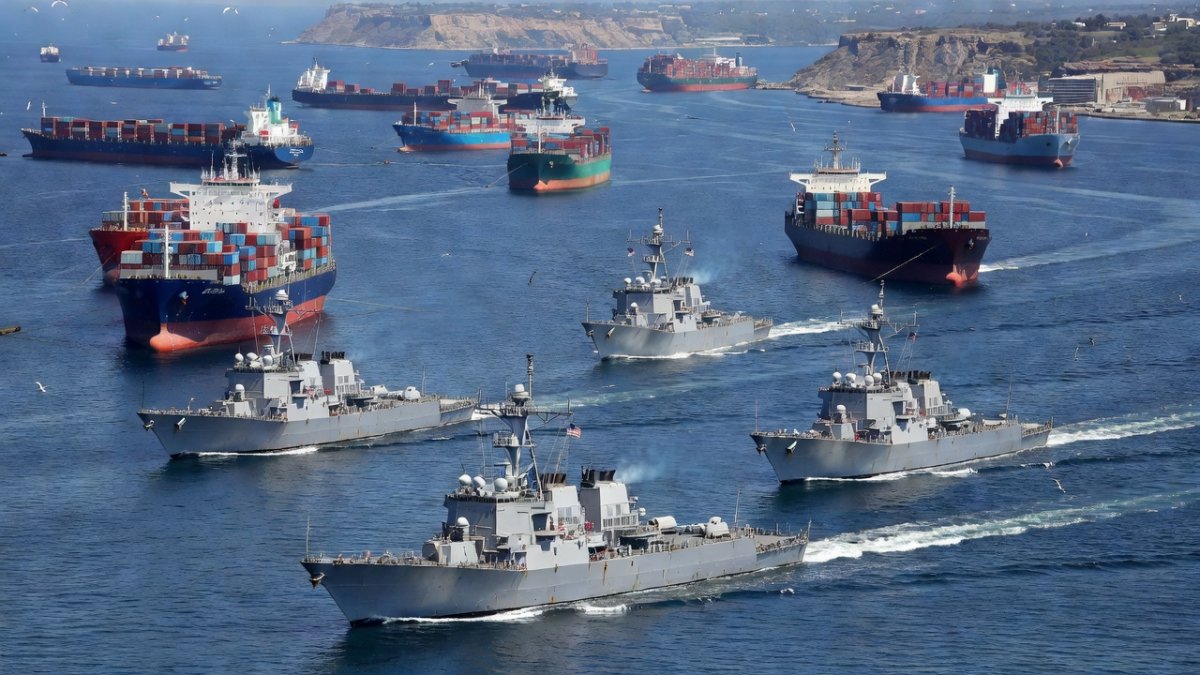
Former President Trump ordered the blockade of Iranian ports and announced 20 percent protection fees for shipping through the Strait of Hormuz, measures that coincided with reported explosions near Bandar Abbas and Qeshm Island in southern Iran. An Axios report detailed that the Saudi airstrikes on Sana'a airport received backing from the Trump administration, reflecting coordinated efforts to counter Iranian influence in Yemen.
Explosions were heard near Bandar Abbas and Qeshm Island, with Iran's semi-official Mehr News Agency reporting the blasts. Iran's Foreign Ministry stated that Tehran would not fulfill its Memorandum of Understanding commitments under pressure, while attempting to reach an agreement with Oman over the Hormuz situation.
Implications for Israeli Security and Regional Dynamics
These developments directly impact Israel's security environment, as Houthi forces have previously launched missiles toward Israeli territory from Sana'a-controlled areas. Iranian airspace violations through Yemen enable faster resupply of the Houthis' ballistic missile and drone capabilities, which have threatened both Israeli and Red Sea maritime targets.
Saudi Arabia's coordinated actions with the Trump administration strengthen a framework of shared interests in containing Iran, dynamics that Israeli defense officials have tracked closely. The UK's IRGC proscription reinforces intelligence cooperation channels that Israel has long advocated for among Western allies.
What Comes Next in the Yemen Crisis
With the Yemeni government in Aden asserting control over its airspace and Houthis vowing decisive responses from Sana'a, the July 13 events signal a return to open confrontation that could draw additional regional actors into the conflict. Israeli defense planners are assessing how sustained Houthi drone and missile activity, now backed by confirmed Iranian flights, might affect maritime routes through the Bab el-Mandeb strait — a critical chokepoint for Israeli shipping and trade.
The coming days will determine whether diplomatic channels can rebuild the frayed ceasefire or whether the Iran-Saudi confrontation in Yemen escalates into a broader regional conflict with consequences reaching from the Gulf of Oman to the Mediterranean.
By Hannah Berg, Staff Writer
What's Your Reaction?
 Like
0
Like
0
 Dislike
0
Dislike
0
 Love
0
Love
0
 Funny
0
Funny
0
 Wow
0
Wow
0
 Sad
0
Sad
0
 Angry
0
Angry
0










Comments (0)