
Sarangani Earthquake: 61 Dead, 2m Coastal Uplift Recorded
The Massive June 8 Earthquake Shakes Mindanao The magnitude 7.8 offshore Sarangani earthquake on June 8 sent shockwaves across Mindanao, leaving families in coastal towns reeling from the sudden force of nature. In barangays like Pangyan in Glan, residents felt the ground lurch violently, toppling homes and disrupting daily routines centered around fishing and small sari-sari s
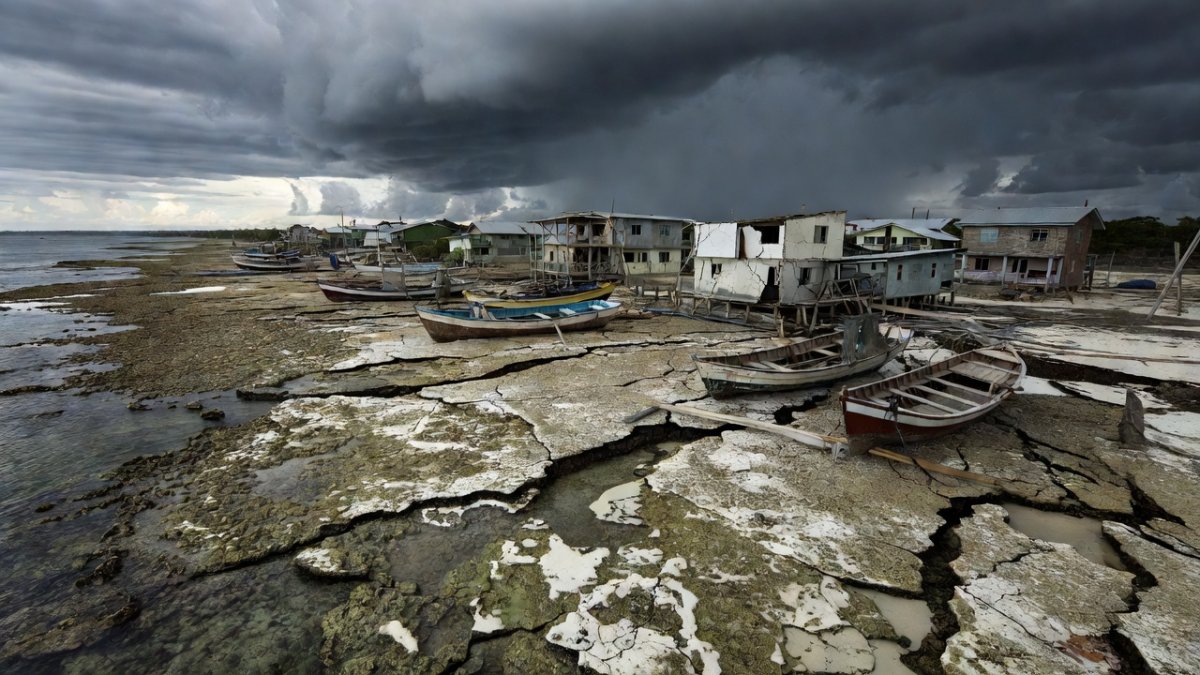
The Massive June 8 Earthquake Shakes Mindanao
The magnitude 7.8 offshore Sarangani earthquake on June 8 sent shockwaves across Mindanao, leaving families in coastal towns reeling from the sudden force of nature. In barangays like Pangyan in Glan, residents felt the ground lurch violently, toppling homes and disrupting daily routines centered around fishing and small sari-sari stores.
Communities along the Sarangani coast have long lived with the rhythm of the sea, but this quake reminded everyone of the fragile balance between land and water. Ordinary people, from tricycle drivers to farmers tending nearby fields, found themselves facing immediate uncertainty as aftershocks began rolling in.
PHIVOLCS Documents Coastal Uplift in Sarangani and Davao Occidental
State seismologists from the Philippine Institute of Volcanology and Seismology observed upward movement of coastlines in Sarangani and Davao Occidental following the quake. Previously submerged corals now sit exposed on a co-seismically raised modern reef platform in Barangay Pangyan in Glan and in Jose Abad Santos in Davao Occidental.
Preliminary field observations indicate approximately two meters of coastal uplift and about 200 meters of shoreline retreat, according to PHIVOLCS after an aerial survey. This change can lead to wider coastal zones, a seaward migration of high tide lines, and the exposure of coral reefs and other marine habitats that local fishing families depend on for their livelihood.
PHIVOLCS also noted coastal landslides between Barangays Burias and Pangyan in Sarangani. These shifts alter the landscape that barangay captains and kapitbahay have known for generations, affecting how communities access the sea for daily needs.
Tragic Human Toll Leaves Families Grieving
As of yesterday, the Office of Civil Defense confirmed 61 deaths, 1,221 injured, and 33 missing from the earthquake. Each number represents a family in Sarangani mourning a loved one or caring for the wounded in crowded evacuation centers.
In Glan and surrounding areas, parents who once gathered at fiestas now comfort children frightened by the constant tremors. The loss hits hardest in tight-knit coastal barangays where everyone knows their neighbors, turning personal grief into a shared community burden.
Workers and students alike struggle to return to normal, with injured residents relying on local government units for medical support. The human cost extends beyond immediate injuries, touching the emotional well-being of entire households still processing the event.
Ongoing Aftershocks Heighten Anxiety in Affected Towns
A magnitude 5.3 earthquake struck Sarangani yesterday morning, felt in nearby areas, with its epicenter located 17 kilometers west of Glan town. PHIVOLCS confirmed this as an aftershock of the June 8 main quake.
State seismologists have logged 3,860 aftershocks in the five days since June 8. These repeated jolts keep residents on edge, disrupting sleep and daily activities in places like Barangay Pangyan where uplift has already changed the shoreline.
Local officials continue monitoring the situation closely, advising families to stay prepared as the aftershock sequence unfolds. The steady stream of smaller quakes serves as a constant reminder that recovery will take time for these Mindanao communities.
Bayanihan Spirit Helps Sarangani Communities Cope
Despite the challenges, residents of Glan and Sarangani draw on the bayanihan tradition of communal support to rebuild. Neighbors share resources and check on one another, embodying the Filipino value of helping kapitbahay in times of crisis.
Barangay leaders coordinate with local government units to distribute aid, while families adapt to the new coastal landscape created by the uplift. Fisherfolk adjust their routines around exposed reefs, finding ways to sustain their households amid the changes.
Students return to classes where possible, supported by teachers who understand the need for normalcy after such upheaval. The resilience shown in these towns reflects the deep cultural ties that bind communities together, even as they face ongoing seismic activity.
Preparing for the Road Ahead in Earthquake-Prone Regions
With coastal changes now visible in Sarangani and Davao Occidental, attention turns to how LGUs can better support long-term recovery. The exposure of marine habitats may influence local economies tied to fishing and tourism in the months ahead.
PHIVOLCS continues its work documenting these shifts, providing data that helps families and officials plan safer futures. In the spirit of unity, communities in Glan look to strengthen preparedness measures rooted in their shared experiences.
Ordinary Filipinos affected by the quake demonstrate quiet strength, focusing on rebuilding homes and livelihoods while honoring those lost. This collective effort underscores the enduring hope that defines life in these resilient Mindanao towns.
By Bella Reyes, Staff WriterThis article was produced with AI-assisted research and editorial support. Reporting is based on sources cited in the article.
What's Your Reaction?
 Like
0
Like
0
 Dislike
0
Dislike
0
 Love
0
Love
0
 Funny
0
Funny
0
 Wow
0
Wow
0
 Sad
0
Sad
0
 Angry
0
Angry
0

Philippines/Southeast Asia Correspondent at Global1.News. Manila-based journalist covering Philippine politics, environment, maritime security, and social issues. Passionate about marine conservation and the communities protecting the Philippines' natural heritage.












Comments (0)