
Erdogan Honors Srebrenica Victims While Advancing Turkey's Regional Influence
**Keywords:** Recep Tayyip Erdoğan, Srebrenica genocide, Bosnia and Herzegovina, Turkey foreign policy, Bosniak victims, neo-Ottoman influence, Balkan Muslims, international justice, Potočari memorial, genocide remembrance Erdoğan Honors Srebrenica Victims While Advancing Türkiye's Regional Influence Commemoration of the 31st Anniversary President Recep Tayyip Erdoğan issued a
Commemoration of the 31st Anniversary
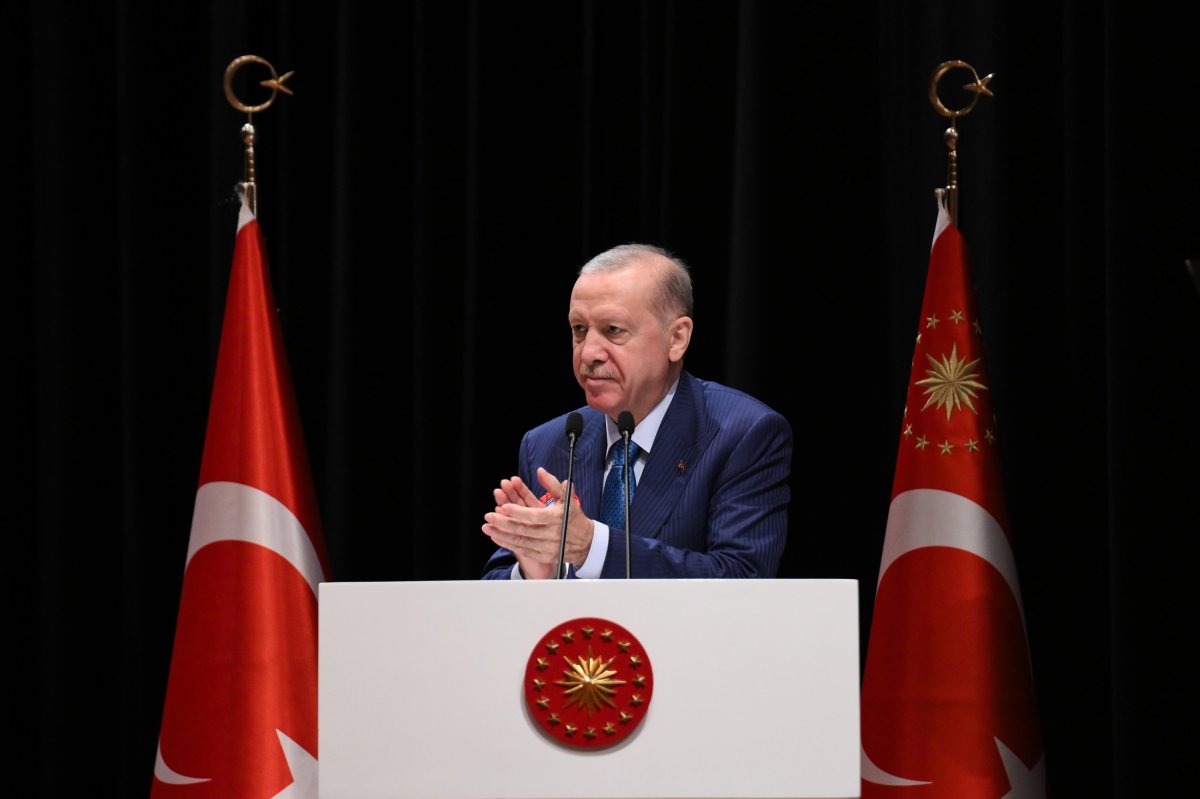
President Recep Tayyip Erdoğan issued a public message on July 11 marking the 31st anniversary of the Srebrenica genocide. He described the killings as one of the most brutal genocides in history and expressed condolences to the families of the Bosniak victims. The statement reaffirmed Türkiye's commitment to preserving the memory of the more than 8,000 men and boys killed in 1995.
Historical Background of the Massacre
The events unfolded after Bosnian Serb forces overran the U.N.-designated safe area of Srebrenica on July 11, 1995. Dutch peacekeepers were unable to prevent the separation of men and boys from women, children, and the elderly. Systematic executions followed, with victims buried in mass graves that were later disturbed to hide evidence. The International Criminal Tribunal for the former Yugoslavia and the International Court of Justice later ruled the killings constituted genocide.
Erdoğan's Consistent Position on Remembrance
Erdoğan's annual messages have stressed justice, remembrance, and the prevention of future atrocities. This year's statement aligned with ongoing forensic work that has identified nearly 7,000 victims for burial at the Srebrenica-Potočari Memorial and Cemetery. Ten newly identified victims, aged between 20 and 56, were interred during the 2026 ceremonies held under the theme "We Are Here."
Turkey-Bosnia Relations and Ottoman Legacy
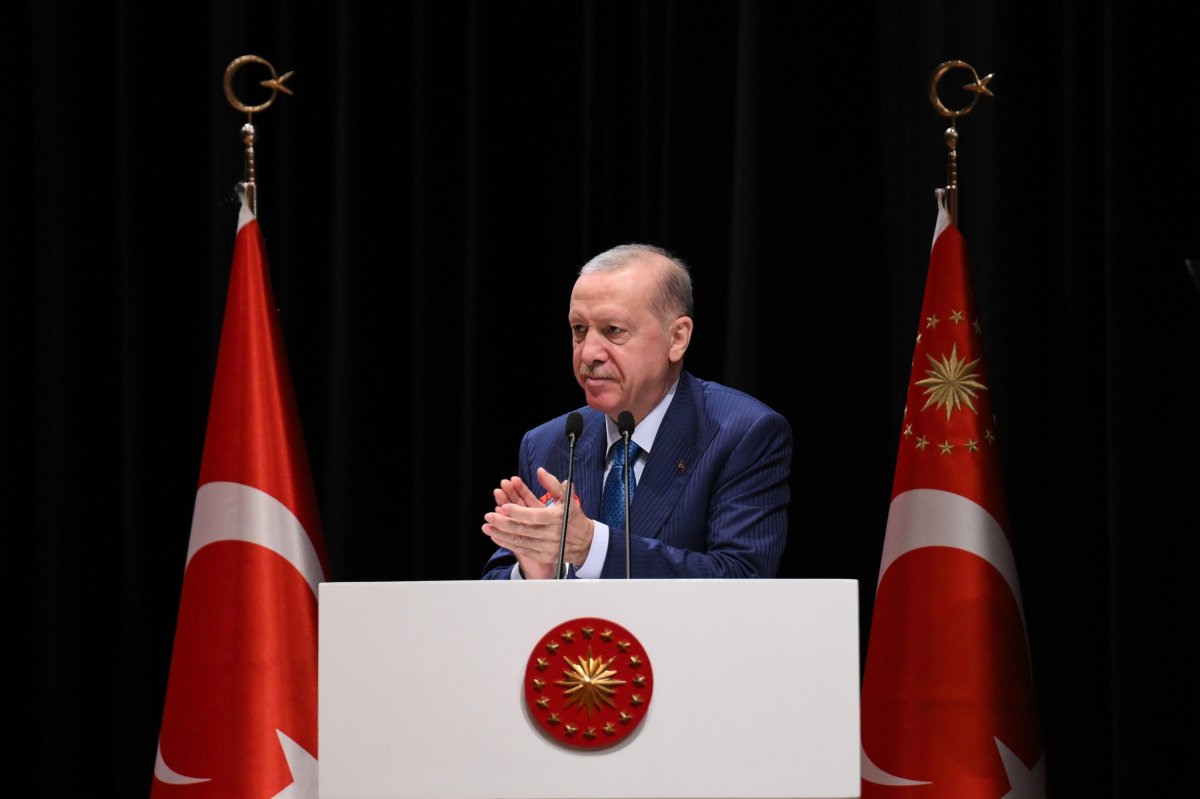
Türkiye maintains close diplomatic and cultural links with Bosnia and Herzegovina. These ties draw on historical connections from the Ottoman period when many Bosniaks adopted Islam. Erdoğan's repeated emphasis on Srebrenica serves both to honor victims and to reinforce Türkiye's role as a supporter of Muslim communities in the Balkans. Such engagement forms part of a broader foreign policy that seeks influence beyond immediate borders.
Strategic Calculus Behind Turkish Engagement
Ankara views the Balkans as an area where it can project soft power through cultural diplomacy, development assistance, and political support for Muslim populations. By consistently highlighting Srebrenica, Türkiye positions itself as a defender of historical truth at a time when some regional actors continue to question the genocide designation. This stance strengthens ties with Sarajevo while signaling to other capitals that Türkiye intends to remain active in European affairs.
Implications for European Security and Alliances
The Srebrenica genocide exposed shortcomings in U.N. protection mechanisms. Türkiye's continued focus on the issue reminds NATO and EU partners of the consequences of inaction. As a NATO member with growing economic and political reach, Türkiye can leverage its Balkan relationships to influence discussions on enlargement, security cooperation, and migration. The anniversary therefore carries second-order effects for alliance dynamics and regional stability.
Connection to Broader Middle East Dynamics
Erdoğan's message also resonates with Türkiye's wider approach to supporting Sunni Muslim communities facing historical grievances. Similar patterns appear in Turkish policy toward Palestine, Syria, and the Caucasus. In each case, Ankara combines public remembrance with diplomatic advocacy. This approach allows Türkiye to differentiate itself from Gulf states pursuing economic diversification under frameworks such as Vision 2030 while still competing for influence among Muslim populations.
Outlook for Continued Turkish Involvement
Future commemorations are likely to maintain the same tone, combining mourning with calls for justice. Türkiye's ability to sustain this engagement will depend on domestic political stability and relations with both Sarajevo and Brussels. The Srebrenica issue offers a low-cost yet symbolically powerful platform for Ankara to demonstrate consistency in its foreign policy principles across Europe and the Middle East.
By Malik Hassan, Staff WriterThis article was produced with AI-assisted research and editorial support. Reporting is based on sources cited in the article.
What's Your Reaction?
 Like
0
Like
0
 Dislike
0
Dislike
0
 Love
0
Love
0
 Funny
0
Funny
0
 Wow
0
Wow
0
 Sad
0
Sad
0
 Angry
0
Angry
0

Middle East Correspondent at Global1.News. Based in Beirut, covering politics, conflict, energy, and society across the Middle East. Brings context and depth to a region often reduced to headlines.











Comments (0)