
Removal of Nuclear Fuel from Fukushima Plant Reactor Pool Begins
Removal of Nuclear Fuel from Fukushima Plant Reactor Pool Begins Background to the 2011 Fukushima Accident The Great East Japan Earthquake and tsunami on March 11, 2011, triggered meltdowns at three reactors at the Fukushima Daiichi Nuclear Power Plant. The No. 2 reactor was among those affected, with its nuclear fuel melting down inside the core. This event remains central to
Background to the 2011 Fukushima Accident
The Great East Japan Earthquake and tsunami on March 11, 2011, triggered meltdowns at three reactors at the Fukushima Daiichi Nuclear Power Plant. The No. 2 reactor was among those affected, with its nuclear fuel melting down inside the core. This event remains central to Japan's ongoing nuclear safety discussions and decommissioning efforts more than fifteen years later.
Start of Fuel Removal Operations at Unit 2
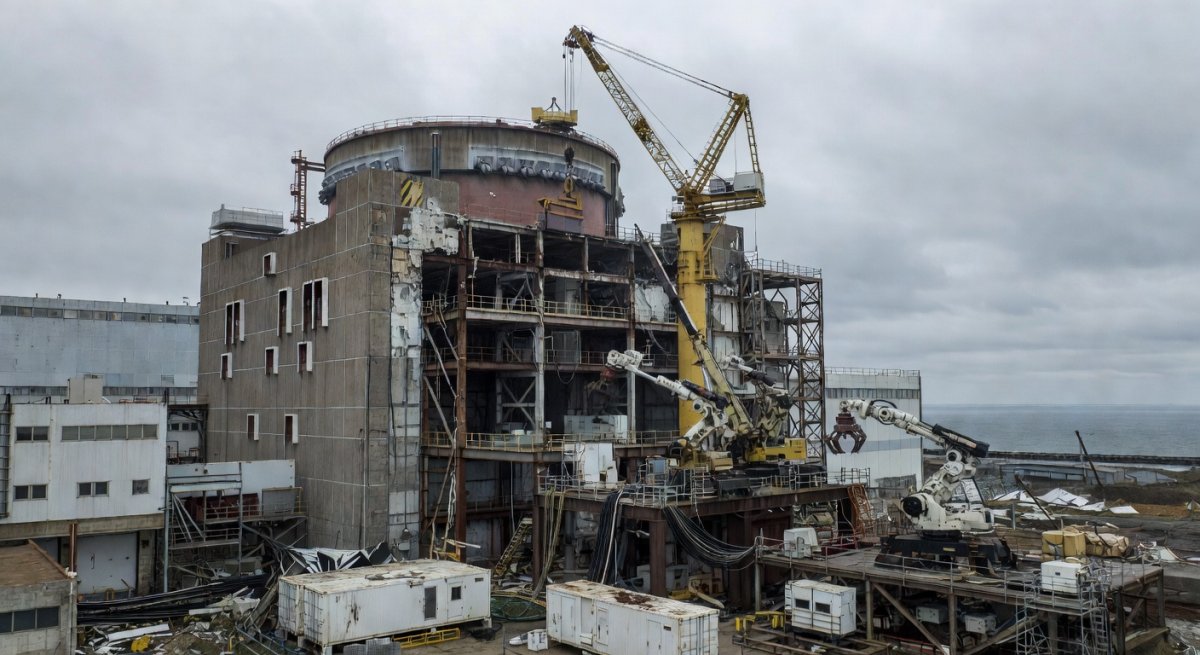
Tokyo Electric Power Company has begun removing nuclear fuel assemblies from the spent fuel pool at the No. 2 reactor building. The operation marks a key milestone in the plant's decommissioning, though radiation levels inside the building remain elevated due to the 2011 meltdown. Work is expected to span multiple years as crews manage the pool inventory under controlled conditions.
Comparison with Earlier Removal Work at Units 1 and 3
Similar fuel removal from the spent fuel pool was completed at Unit 3 between 2019 and 2021. Operations at Unit 1 are still underway. The Unit 2 project follows these precedents but has faced additional postponements linked to debris and radiation that were not present to the same degree in the earlier cases. These sequential efforts illustrate the phased nature of pool clearance across the damaged reactors.
Each unit presents distinct engineering requirements. Unit 3 benefited from earlier preparation and lower immediate obstacles once debris was addressed. Unit 2's timeline reflects the need for extra shielding and remote handling measures before systematic extraction could begin.
Persistent Radiation and Debris Challenges
High radiation levels inside the No. 2 reactor building continue to dictate the pace and methods of fuel removal. Debris from the hydrogen explosion that occurred in 2011 further complicates access to the storage pool. These factors required extensive preparatory work, including the installation of protective barriers and specialized equipment designed for remote operation.
TEPCO has emphasized that all removal steps prioritize worker safety and containment integrity. The company has not released detailed daily progress metrics at this early stage, consistent with its approach during prior unit operations. Local monitoring by Japanese regulatory bodies will track cumulative doses and environmental releases throughout the campaign.
Prerequisites for Reactor Core Debris Retrieval
Clearing the spent fuel pool is a necessary step before crews can address the more difficult task of retrieving molten fuel debris from the reactor core itself. The core debris, which melted and relocated during the accident, lies beneath layers of structural damage and requires separate robotic and containment strategies. Pool removal reduces the overall radiological inventory on site and frees space for future core work.
Japanese authorities have noted that successful pool clearance at Unit 2 will inform planning for the remaining units. The sequence of operations helps establish reliable data on handling times, equipment performance, and waste classification under real plant conditions.
Implications for Japan's Energy and Decommissioning Policy
The progress at Fukushima Daiichi directly influences national discussions on nuclear restarts and long-term energy security. Japan continues to balance its carbon reduction targets with the need for stable baseload power. Demonstrable advancement in decommissioning supports public confidence that legacy sites can be managed safely over decades.
Communities in Fukushima Prefecture watch the schedule closely because it affects decisions on returnee programs and regional redevelopment. Steady removal of fuel assemblies signals that the site is moving from emergency response toward structured, long-term management. International observers also reference the Japanese experience when assessing their own spent fuel strategies.
By Kenji Tanaka, Staff WriterThis article was produced with AI-assisted research and editorial support. Reporting is based on sources cited in the article.
What's Your Reaction?
 Like
0
Like
0
 Dislike
0
Dislike
0
 Love
0
Love
0
 Funny
0
Funny
0
 Wow
0
Wow
0
 Sad
0
Sad
0
 Angry
0
Angry
0

Japan Correspondent at Global1.News. Tokyo-based voice covering Japanese politics, technology, economy, and culture. Tracks the intersection of tradition and innovation in one of the world's most dynamic societies.















Comments (0)