
Quebec Assembly Wrap-Up: Farewells and Election Tensions
In a recent CBC News report covering the final hours of debate in Quebec City, the spring session of the National Assembly concluded on Friday, June 12, 2026, with a mix of personal reflections and partisan clashes. Premier François Legault's Coalition Avenir Québec government had aimed to clear a backlog of 19 bills before the October 5, 2026, general election. The rushed proc
In a recent CBC News report covering the final hours of debate in Quebec City, the spring session of the National Assembly concluded on Friday, June 12, 2026, with a mix of personal reflections and partisan clashes. Premier François Legault's Coalition Avenir Québec government had aimed to clear a backlog of 19 bills before the October 5, 2026, general election. The rushed proceedings highlighted the pressures facing all parties as they prepare platforms for the campaign.
The CAQ's legislative agenda faced direct resistance from two independent MNAs, Youri Chassin and Maïté Blanchette Vézina, who refused to support fast-track procedures on two remaining bills. This action prevented the government from advancing several measures in the closing days. Heated exchanges between the government benches and opposition parties marked the session's end, reflecting ongoing tensions over policy priorities such as healthcare delivery and economic measures.
Quebec National Assembly Wrap-Up: Emotional Farewells and Election Tension
Quebec City, Quebec – This week — The final gavel of the spring session came down on Friday, bringing the curtain down on what will be remembered as a tense pre-election sitting at Quebec's National Assembly.
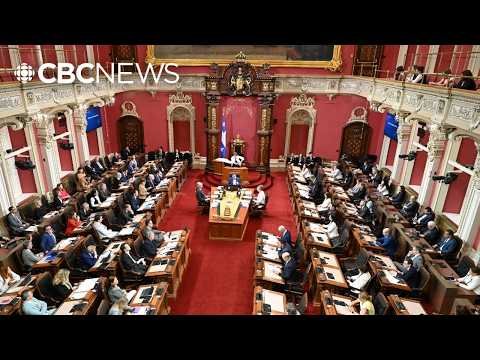
Emotional Farewells From Retiring MNAs
Several members of the National Assembly delivered farewell addresses on the final day, marking their departure from public life ahead of the election. These speeches came from MNAs who chose not to seek re-election, providing personal accounts of their time in the legislature. The moments stood in contrast to the procedural disputes that dominated earlier proceedings.
Outgoing MNAs referenced their contributions to debates on provincial matters, including interactions with federal programs in areas such as immigration and resource development. Their departures reduce the number of experienced voices available for the fall campaign, affecting how parties will organise their teams as they head into election mode.
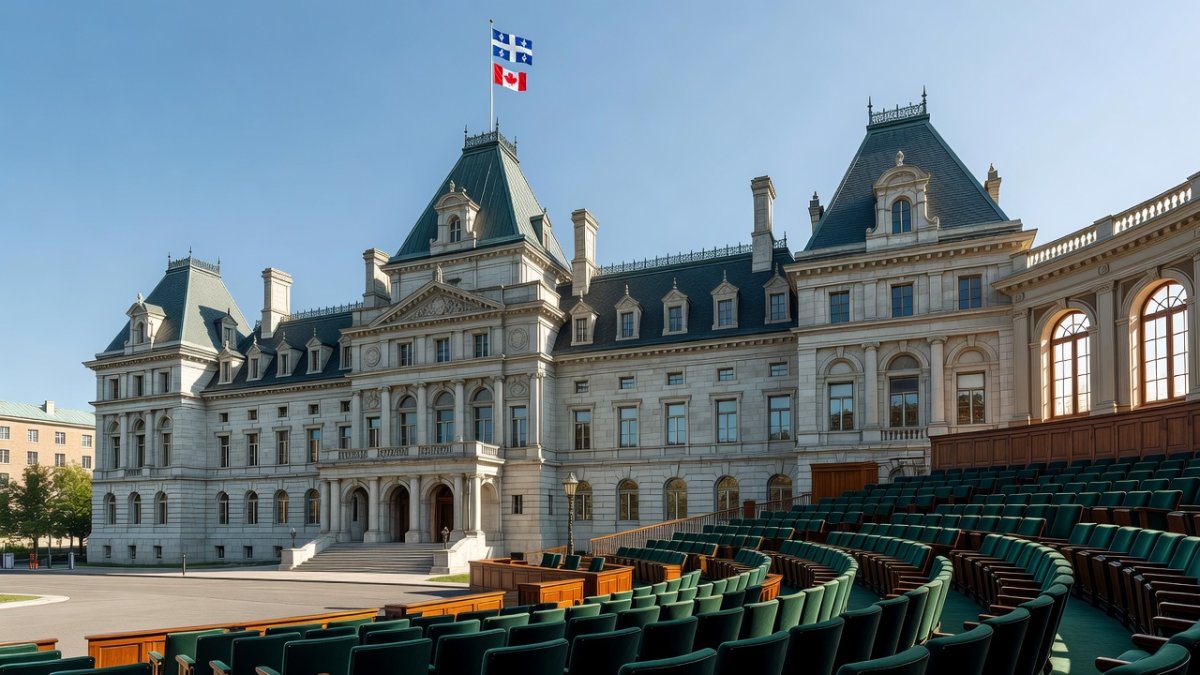
Fundraising Allegations Surface on Closing Day
Allegations regarding political fundraising practices emerged during the session's final hours, drawing immediate responses from party representatives. The claims added another layer of scrutiny to the CAQ government and opposition groups as they transition into election mode. No formal charges were detailed in the proceedings, yet the topic shifted focus from legislative business to questions of transparency.
These developments occur against the backdrop of federal-provincial dynamics, where Quebec's approach to issues like carbon pricing and energy projects often intersects with Ottawa's policies. The allegations could influence public perception of all parties, including the Parti Québécois, the Quebec Liberal Party under leader Charles Milliard, and Québec solidaire, as they finalise their platforms.
Blocked Legislation and Outstanding Bills
With 19 bills still pending at the start of the final week, the independent actions by MNAs Chassin and Blanchette Vézina halted progress on at least two measures. The CAQ had sought to expedite passage, but the refusal forced adjustments to the timetable. This outcome leaves several files unresolved until after the October 5 vote.
The stalled bills touched on matters relevant to Quebec's economy, including natural resources and labour policies. Such delays carry implications for federal-provincial relations, particularly in sectors where joint funding or regulatory alignment with Ottawa is required. Parties now must address these unfinished items during the campaign period.
Parties Prepare for October 5 Election
All major parties are advancing their preparations for the 2026 Quebec general election. The CAQ under Premier Legault, the Parti Québécois, the Quebec Liberal Party led by Charles Milliard, and Québec solidaire are refining positions on key files such as healthcare wait times, housing affordability, and immigration policy. The session's close signals the shift from legislative work to voter outreach.
These provincial contests often shape broader Canadian discussions on medicare sustainability and Indigenous relations under the United Nations Declaration on the Rights of Indigenous Peoples frameworks. Quebec's outcomes can influence federal negotiations on trade, energy development, and pharmacare initiatives given the province's distinct jurisdictional stance.
Implications for Federal-Provincial Relations
The tensions observed in Quebec City this week extend beyond provincial boundaries. Premier Legault's government has frequently clashed with Ottawa on emissions targets and resource development, and the election campaign will likely amplify those differences. Opposition parties are positioning themselves to challenge the CAQ record on cost-of-living measures tied to Bank of Canada interest rate decisions.
With the National Assembly now adjourned until after October 5, attention turns to how the results will affect ongoing dialogues between Parliament Hill and Quebec City. The presence of new MNAs and potential shifts in party standings could alter the tone of future federal-provincial meetings on public safety, organised crime enforcement, and climate policy alignment.
By Alex Thompson, Staff Writer
This article was produced with AI-assisted research and editorial support. Reporting is based on sources cited in the article.
What's Your Reaction?
 Like
0
Like
0
 Dislike
0
Dislike
0
 Love
0
Love
0
 Funny
0
Funny
0
 Wow
0
Wow
0
 Sad
0
Sad
0
 Angry
0
Angry
0
Canada Correspondent at Global1.News. Based in Toronto, covering Canadian politics, energy, trade, and US-Canada relations. Provides the Canadian perspective on North American and global affairs.












Comments (0)