
Putin Approval Rating Hits Sharpest Weekly Drop Since 2022
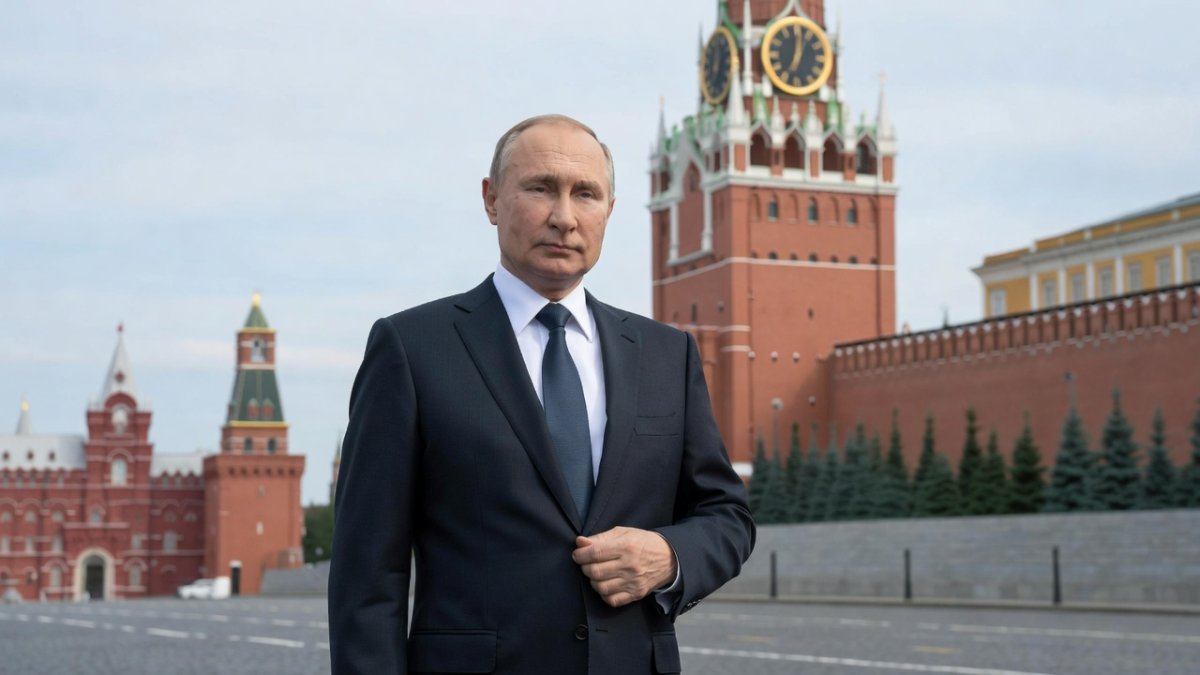
VTsIOM Record Sharpest Weekly Drop Since 2022 VTsIOM recorded President Vladimir Putin’s approval rating at 66.9 percent for the period June 22-28, marking a decline of 3.5 percentage points from 70.4 percent the previous week. This represents the fastest weekly drop since the February 2022 invasion of Ukraine. The state pollster surveyed 1,600 respondents using its standard te
VTsIOM Record Sharpest Weekly Drop Since 2022
VTsIOM recorded President Vladimir Putin’s approval rating at 66.9 percent for the period June 22-28, marking a decline of 3.5 percentage points from 70.4 percent the previous week. This represents the fastest weekly drop since the February 2022 invasion of Ukraine. The state pollster surveyed 1,600 respondents using its standard telephone methodology across Russia’s federal districts. Disapproval rose to 21.3 percent from 19.7 percent, while the trust rating fell to 73.3 percent from 76.7 percent.
Confirmed figures from VTsIOM’s weekly tracking show the steepest single-week erosion in more than two years. Kremlin officials have attributed similar past fluctuations to seasonal factors, yet the current decline coincides with visible domestic strains. Ministry of Digital Development reports on restricted Telegram channels and internet slowdowns in several regions have compounded public frustration, though state media continue to emphasize stability in the presidential vertical of power.
Analysts interpret the numbers as an early signal that cumulative war costs and economic pressures are beginning to register even in controlled polling environments. The drop occurred amid heightened activity by the Presidential Administration’s information policy department, which coordinates messaging across federal television and regional outlets. Observers note that such rapid shifts have previously prompted adjustments in how the siloviki and regional governors report loyalty metrics upward to the Kremlin.
April Low Point and the Pattern of Declining Trust
VTsIOM’s previous recorded low of 65.6 percent approval occurred in April during nationwide internet blackouts and tightened Telegram restrictions enforced by Roskomnadzor. Those measures followed Ukrainian drone activity near border regions and were justified by the Ministry of Defense as necessary for operational security. The April figure marked the lowest open rating since the initial months of the special military operation.
After that April reading, VTsIOM ceased publishing results from its open-ended trust survey, which had reached its lowest point since 2022. Official statements from the pollster framed the decision as a methodological adjustment, yet independent observers linked it to sensitivity around direct expressions of discontent. The Presidential Administration maintains close oversight of state-funded polling organizations, ensuring alignment with narratives promoted by Rossiya 1 and Channel One.
Interpretation of the pattern suggests that repeated restrictions on information flows have not fully insulated the leadership from accumulating grievances. Regional governors in areas affected by connectivity limits reported increased complaints to the federal hotline system operated by the Ministry of Digital Development. This sequence indicates that episodic tightening of controls can produce measurable, if temporary, effects on measured support within the broader power vertical.
Fuel Crisis Deepens Public Discontent
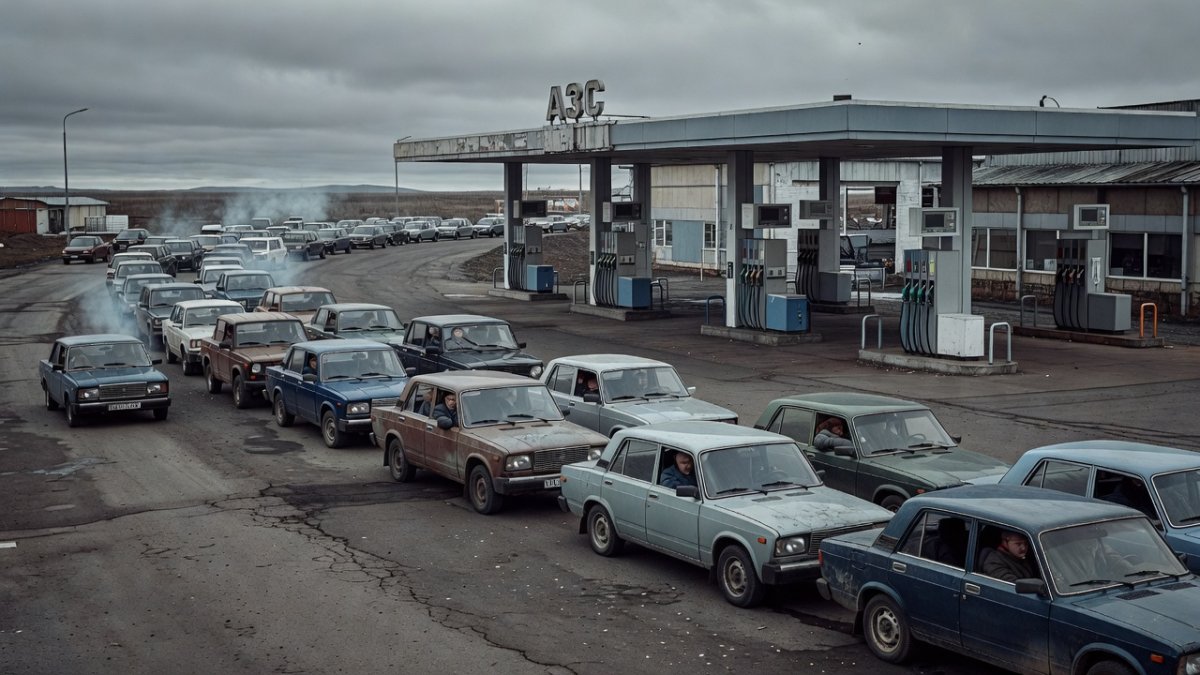
Ukrainian drone strikes on Russian oil refineries have triggered rationing, extended lines at pumps, and sharp price increases across multiple regions. The Ministry of Energy confirmed that facilities in Krasnodar Krai and Ryazan oblast sustained damage, reducing domestic gasoline output. In recent days, motorists in Voronezh and Belgorod reported empty stations and limits of 20 liters per vehicle at remaining outlets.
Kremlin spokesperson Dmitry Peskov stated that authorities are engaged in talks to purchase gasoline from abroad to stabilize supply. The Ministry of Energy has directed regional administrations to prioritize deliveries to agricultural and emergency services. These measures reflect direct intervention from the federal center into what was previously managed through market mechanisms coordinated by Rosneft and Gazprom Neft.
Analysis of the situation points to growing pressure on ordinary households already facing elevated living costs tied to the ongoing military campaign. Long queues at fuel stations have become visible symbols of vulnerability in the domestic economy, potentially affecting perceptions of competence within the economic bloc of the government. Regional United Russia committees have been instructed to monitor social media for signs of localized unrest linked to the shortages.
Levada Center Confirms Downward Trend
The independent Levada Center reported President Putin’s approval at 74 percent in June, down from 79 percent in May. This survey used face-to-face interviews with a representative sample across urban and rural areas. While higher than VTsIOM’s June figure, the month-on-month decline mirrors the direction recorded by the state pollster and exceeds typical seasonal variation.
Levada’s methodology differs from VTsIOM by including more direct questions on policy performance and avoiding state media framing in question wording. The two-point gap between the two organizations’ June readings falls within historical ranges, yet both show erosion from spring peaks. Levada researchers have noted consistent patterns of lower stated support in private conversations compared with recorded responses.
Interpretation by political analysts suggests the parallel decline across polling entities indicates a genuine softening rather than an artifact of any single methodology. The figures arrive as the Presidential Administration prepares for the September regional elections, where turnout and results in key oblasts will be scrutinized for signs of weakening centralized authority. Levada’s data are closely monitored by opposition-leaning networks despite official designation as an undesirable organization.
Expert Analysis: What the Numbers Really Mean
Experts emphasize that fear of retribution continues to constrain candid responses in Russian polling. Political analyst Tatiana Stanovaya has observed that respondents in smaller cities often provide answers aligned with perceived official expectations when speaking to state-linked pollsters. This dynamic creates a measurable gap between stated approval and privately held sentiment, particularly in regions with heavy security service presence.
Regional variation appears pronounced, with lower figures recorded in areas experiencing direct fuel shortages or mobilization-related economic disruption. The gap between VTsIOM and Levada results may partly reflect differing levels of perceived anonymity among respondents. Ministry of Internal Affairs data on administrative offenses for “discrediting the armed forces” remain elevated, reinforcing incentives for cautious answers.
Analysis frames these constraints as structural features of the current information environment rather than temporary distortions. The reluctance to express criticism openly limits the leadership’s ability to detect early warning signs of broader discontent before they manifest in unexpected ways. Kremlin power structures therefore rely increasingly on indirect indicators such as fuel queue reports and regional governor briefings to supplement formal polling.
Kremlin Information Management Under Strain
State media have framed the VTsIOM decline as statistically insignificant and within normal weekly fluctuation, directing attention instead to the trust rating remaining above 70 percent. Rossiya 1 evening broadcasts have highlighted continued high support for the special military operation while avoiding detailed discussion of fuel supply issues. The Presidential Administration’s information policy unit coordinates these messages across federal channels and regional outlets.
VTsIOM’s decision to stop publishing open-ended trust survey results after the April low has been presented internally as a technical change. However, the move coincided with instructions from the Ministry of Digital Development on managing online discourse around economic difficulties. Official claims emphasize that overall ratings remain well above pre-2022 levels, yet the pattern of successive weekly drops has prompted internal reviews within the Kremlin’s sociological monitoring group.
Interpretation suggests that information management mechanisms are facing increased load from simultaneous polling erosion and visible supply disruptions. The combination challenges the narrative of seamless stability projected by the vertical of power. Regional media have received additional guidance to emphasize import substitution successes in the energy sector while downplaying the scale of foreign gasoline purchases under discussion.
Outlook: Cumulative Pressures on the Leadership
The combination of polling declines, fuel shortages, and sustained war expenditures creates overlapping pressures on the presidential vertical. Analysts note that the Ministry of Finance’s allocation of additional resources to defense procurement has limited fiscal space for addressing domestic supply shocks. Regional governors have been summoned for briefings in Moscow to report on measures taken to contain public expressions of discontent.
Levada and VTsIOM data together indicate that support levels, while still robust by historical standards, are sensitive to visible domestic failures. The Kremlin’s inner circle, including the Security Council and economic advisers, must weigh continued military commitments against the risk of further erosion in measured approval. Past episodes of rapid rating recovery followed policy adjustments or information campaigns, yet the current convergence of factors may require more sustained management.
Interpretation of durability centers on the resilience of core support among security structures and state-dependent populations. Should fuel rationing persist into late summer, additional strain on the economic bloc led by Deputy Prime Minister Alexander Novak could prompt further adjustments in messaging and resource allocation. The leadership’s capacity to absorb these cumulative pressures without structural change remains the central question for observers tracking the intersection of polling trends and everyday economic realities.
By Irina Volkov, Staff WriterThis article was produced with AI-assisted research and editorial support. Reporting is based on sources cited in the article.
What's Your Reaction?
 Like
0
Like
0
 Dislike
0
Dislike
0
 Love
0
Love
0
 Funny
0
Funny
0
 Wow
0
Wow
0
 Sad
0
Sad
0
 Angry
0
Angry
0
Russia/Eastern Europe Correspondent at Global1.News. Covering Russian politics, energy, security, and the shifting dynamics of the post-Soviet space. Provides clear-eyed analysis on one of the world's most opaque regions.












Comments (0)