
Prince Harry Loses Daily Mail Case — High Court Dismisses All Claims of Unlawful Information Gathering
The Duke of Sussex has lost his landmark privacy case against the publisher of the Daily Mail, with a High Court judge dismissing all allegations of unlawful information gathering in a comprehensive 436-page ruling on 7 July 2026. Mr Justice Matthew Nicklin concluded that the seven claimants — including Prince Harry, Baroness Doreen Lawrence and Sir Elton John — had failed to p
The Duke of Sussex has lost his landmark privacy case against the publisher of the Daily Mail, with a High Court judge dismissing all allegations of unlawful information gathering in a comprehensive 436-page ruling on 7 July 2026. Mr Justice Matthew Nicklin concluded that the seven claimants — including Prince Harry, Baroness Doreen Lawrence and Sir Elton John — had failed to prove that Associated Newspapers obtained stories through phone hacking, blagging or other illegal means.
Prince Harry Loses Daily Mail Case — High Court Dismisses All Claims
London, UK – 7 July 2026 —
High Court Delivers Comprehensive Dismissal
On 7 July 2026 Mr Justice Matthew Nicklin of the High Court in London dismissed every claim in the landmark privacy action brought by Prince Harry and six other claimants against Associated Newspapers Ltd. The 436-page judgment ended an 11-week trial and marked the Duke of Sussex's third and final major lawsuit against British tabloid groups.
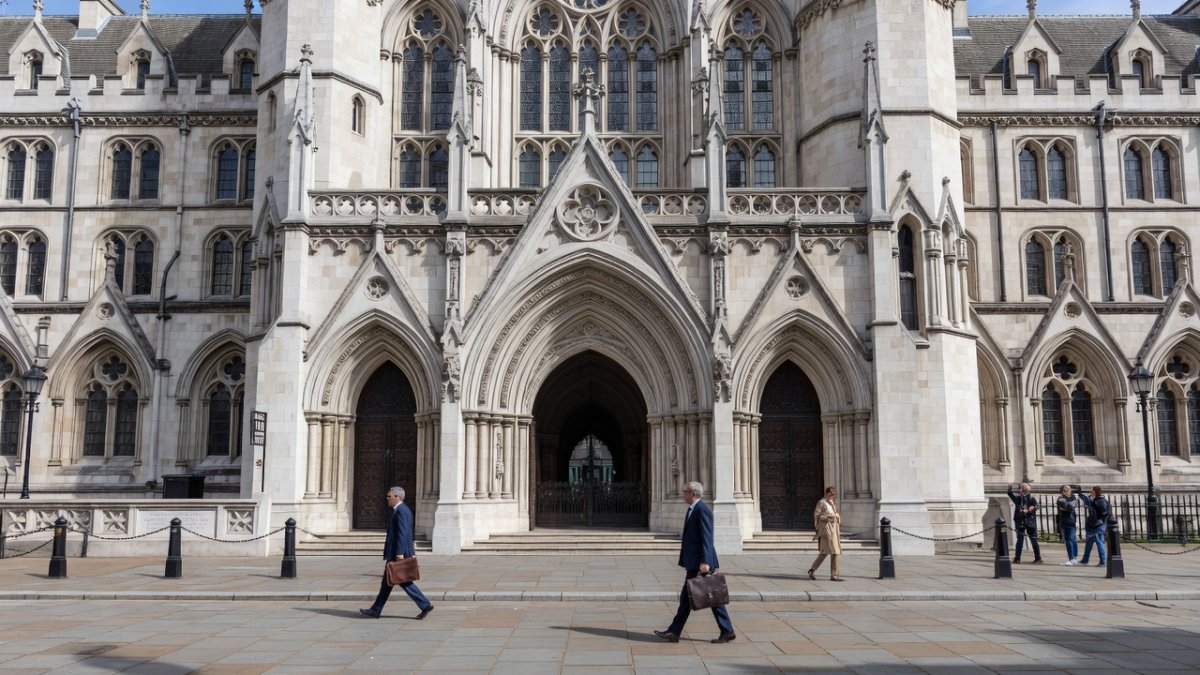
The claimants included Baroness Doreen Lawrence, Sir Elton John and David Furnish, Elizabeth Hurley, Sadie Frost and Sir Simon Hughes. Justice Nicklin ruled that none had proved their allegations of unlawful information gathering by the Daily Mail, Mail on Sunday or MailOnline.
The Allegations: Phone Hacking and Beyond
The claimants accused Associated Newspapers of "clear, systematic and sustained" unlawful practices over decades. They alleged phone hacking, landline tapping, bugging of vehicles and homes, blagging of private records and corrupt payments to police officers. Fifty-five articles published between 1993 and 2015 formed the core of the evidence presented to the court.
These claims echoed the phone-hacking scandal that has already cost Mirror Group Newspapers and News Group Newspapers hundreds of millions of pounds in damages and apologies. Prince Harry had previously secured substantial settlements from both groups.
The Judgment: Why Suspicion Was Not Enough
Justice Nicklin concluded that "suspicion, even where understandable, is not proof." The court refused to infer unlawful sourcing when a legitimate method of obtaining information remained plausible. The judge also cleared three senior executives — former editor Paul Dacre, former editor Peter Wright and senior lawyer Elizabeth Hartley — of lying to the 2011-12 Leveson Inquiry into press ethics.
The ruling directly addresses the long-running tension between press freedom and individual privacy that has shaped British media regulation since the Leveson Inquiry. It sets a high bar for future claimants seeking to prove historical wrongdoing without direct documentary evidence.
A Damaged Case: The Burrows Factor
The claimants' case suffered a decisive blow when private investigator Gavin Burrows withdrew his witness statement before trial, claiming it was a forgery. Justice Nicklin found that Burrows had been "comprehensively undermined" as a witness, removing a central pillar of the allegations against the Mail titles.
Without credible corroboration of illegal activity, the court held that the claimants could not meet the required standard of proof. The collapse of this testimony proved fatal to the entire action.
"A Complete and Obvious Whitewash": The Claimants Respond
Prince Harry and Baroness Lawrence issued a joint statement describing the outcome as "a complete and obvious whitewash, but sadly not altogether unexpected." They added: "We came to Court seeking justice and accountability. But we have received neither."
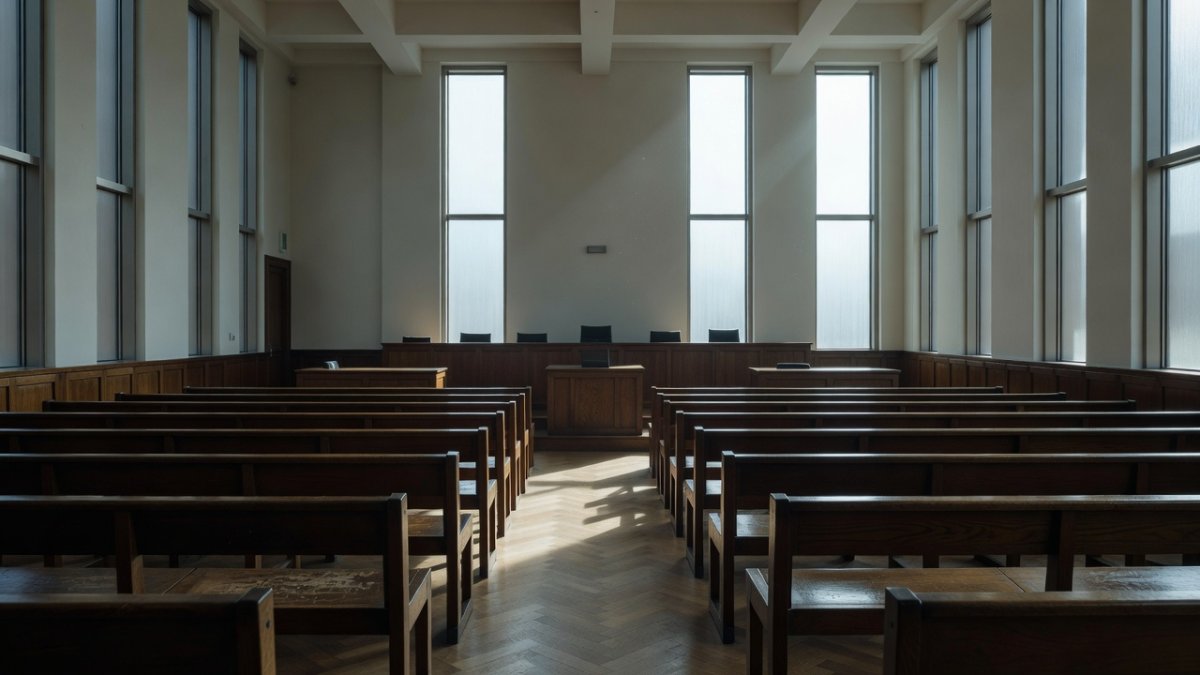
Sir Simon Hughes called the verdict "very disappointing" and said he would "take time to consider" the findings. The claimants had travelled to London for the trial while Prince Harry was in the UK for Invictus Games engagements marking one year until the 2027 Games in Birmingham. His wife Meghan and their children remained abroad over security concerns.
"An Overwhelming Victory": The Daily Mail Fights Back
An Associated Newspapers spokesperson described the ruling as "an overwhelming victory for the Daily Mail and its journalists." The publisher stated that "in every case, the judge accepted the honesty of our journalists' evidence."
Paul Dacre called the action a "trumped-up" attempt by press-regulation campaigners to "destroy a paper." He labelled the result a "momentous victory" and expressed sympathy for Prince Harry, describing him as a "confused and angry young man." Dacre also recalled that Diana, Princess of Wales "liked the Mail."
Associated Newspapers is expected to seek recovery of legal costs that could reach £50 million.
What This Means for Press Freedom in Britain
The judgment arrives at a critical moment for British press regulation. It reinforces the Mail's position as a powerful conservative voice that has long shaped political debate and maintained a complex relationship with the royal family. The decision limits the scope for historical privacy claims that rely heavily on inference rather than direct proof.
Campaigners for tighter press controls will view the outcome as a setback, while defenders of editorial freedom will argue that the ruling protects legitimate journalism from retrospective attack. The case closes one chapter in the post-Leveson era but leaves open questions about how future claimants can evidence alleged wrongdoing from the 1990s and 2000s.
The Bottom Line — A Legal Era Ends
With this ruling, Prince Harry's litigation against British newspaper groups reaches its conclusion. The High Court has drawn a firm line between suspicion and evidence, a distinction that will influence privacy actions for years to come. For the individuals involved and for the wider debate over accountability in the British press, the judgment delivers clarity at considerable cost.
By Erica Thornton, Staff Writer
This article was produced with AI-assisted research and editorial support. Reporting is based on sources cited in the article.
What's Your Reaction?
 Like
0
Like
0
 Dislike
0
Dislike
0
 Love
0
Love
0
 Funny
0
Funny
0
 Wow
0
Wow
0
 Sad
0
Sad
0
 Angry
0
Angry
0

US Politics and Policy Correspondent at Global1.News. Based in Washington DC, covering American politics, policy, elections, and the courts. Knows how the system works and tells you what it actually means.











Comments (0)