
Marcos Calls for EPIRA Amendment to Scrap System Loss Charges on Electricity Bills
The ANC 24/7 report captured President Ferdinand Marcos Jr. drawing loud cheers inside the Batasang Pambansa complex when he urged Congress to remove system loss charges from household electricity bills during his fifth State of the Nation Address on July 27, 2026. The President specifically called for amendments to the Electric Power Industry Reform Act of 2001, known as RA 9136, to stop passing on the cost of electricity lost during transmission and distribution directly to
The ANC 24/7 report captured President Ferdinand Marcos Jr. drawing loud cheers inside the Batasang Pambansa complex when he urged Congress to remove system loss charges from household electricity bills during his fifth State of the Nation Address on July 27, 2026. The President specifically called for amendments to the Electric Power Industry Reform Act of 2001, known as RA 9136, to stop passing on the cost of electricity lost during transmission and distribution directly to consumers along with 12 percent VAT. The announcement immediately trended on social media as families across Metro Manila and other regions continued to face the highest residential electricity rates in Southeast Asia as of June 2026.
The SONA Announcement and What Was Said
President Marcos Jr. told lawmakers gathered in Quezon City that the current practice of billing consumers for system losses must end. He directed Congress to amend EPIRA so that distribution utilities like Meralco can no longer add these charges to monthly statements. The President emphasized that the difference between electricity delivered and electricity billed should no longer burden ordinary households already struggling with high costs.
The call received immediate applause inside the session hall. Marcos framed the move as relief for Filipino families who pay for power that never reaches their homes. The directive came at a time when Meralco customers in Metro Manila already see system loss charges making up roughly 5 percent of a typical monthly bill.
How System Loss Charges Work and Why They Matter to Every Filipino Household
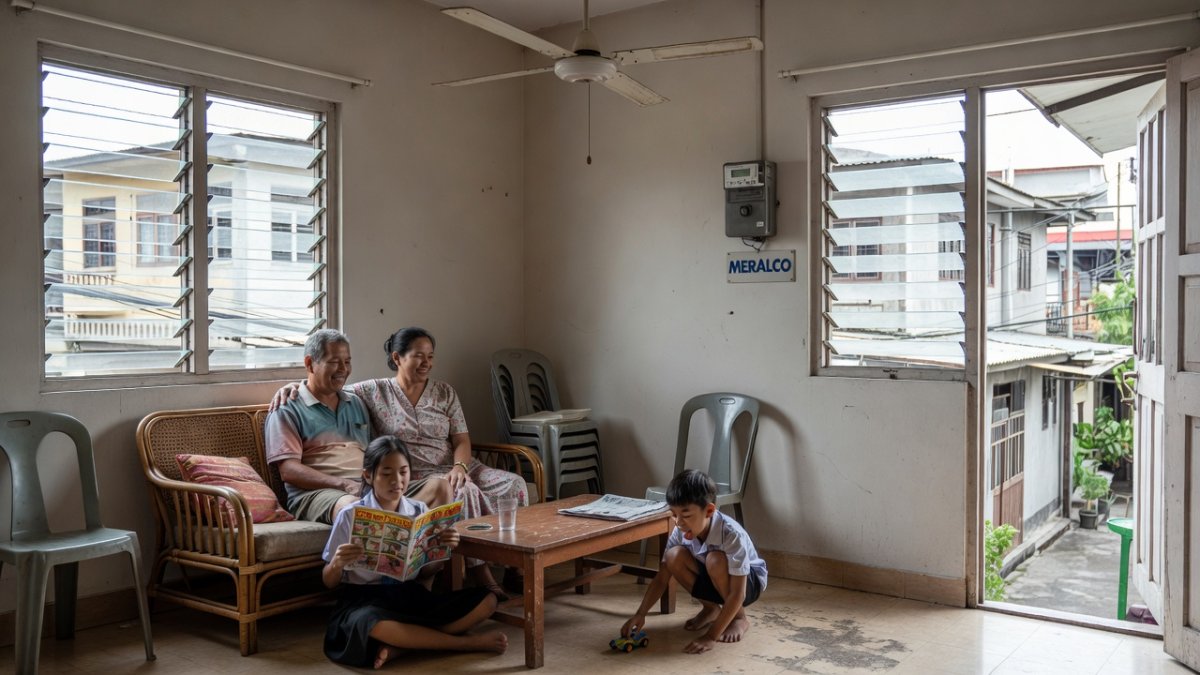
System loss charges represent the gap between the electricity that power plants send out and the amount that actually reaches homes and businesses. Under current rules, distribution companies pass this entire shortfall to consumers and add 12 percent VAT on top. For a family in a Quezon City barangay using an average of 200 kilowatt-hours, this adds several hundred pesos each month to their electric bill.
The charge affects jeepney drivers who recharge e-jeepneys in Manila terminals, sari-sari store owners in Cebu who keep refrigerators running, and OFW families in Davao who rely on remittances to cover utilities. Students in Baguio boarding houses studying late at night also feel the impact when their monthly allowance shrinks because of these added fees. The practice has continued since EPIRA restructured and privatized the power sector in 2001.
Meralco reported a system loss rate of 5.8 percent in 2023, which remains above the Energy Regulatory Commission cap of 5.5 percent for private distribution utilities. This figure contrasts with global benchmarks where utilities in Singapore and Japan maintain losses below 4 percent through advanced grid monitoring. The roots trace back to the Electric Power Industry Reform Act of 2001, which allowed recovery of technical and non-technical losses to attract private investment after decades of state-owned inefficiency.
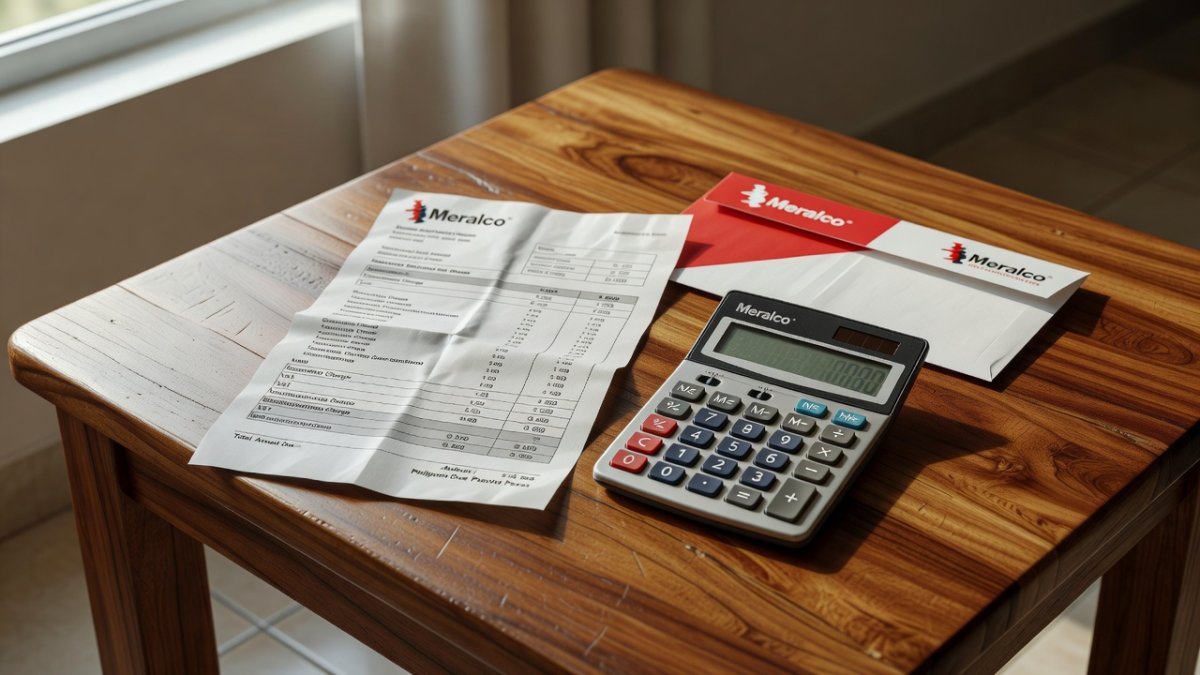
For a minimum-wage earner in Manila earning PHP 610 daily, the charge adds roughly PHP 180 to a monthly bill of PHP 1,800 for 150 kilowatt-hours. This amount equals nearly one-third of a day's wage, forcing families to cut back on groceries or children's school supplies. One factory worker in Tondo described skipping evening meals twice a week to keep the lights on for his three school-age children.
Zubiri's "Before Christmas" Timeline and Senate Action Plan
Senate President Juan Miguel Zubiri pledged that the upper chamber would act on the President’s directive before Christmas 2026. Zubiri stated plainly that the current system is wrong and promised swift legislative action. He instructed Senate committees to prioritize the measure so that relief reaches households before the holiday season.
Zubiri’s commitment sets a clear deadline for both the Senate and the House of Representatives. Lawmakers in both chambers must now reconcile versions of the amendment before the measure reaches the President’s desk. The timeline places pressure on the legislative calendar amid other pending bills on the Senate floor.
Senate procedure requires the bill to pass committee hearings in the Energy and Finance panels before plenary debate. If approved, it moves to a bicameral conference committee to reconcile differences with the House version. Should the House delay action beyond the 30-session-day limit, the Senate can certify the measure as urgent, allowing faster scheduling but risking political friction.
Midterm election considerations in 2025 have prompted several opposition senators to signal support, viewing the measure as a voter-friendly reform. Senators from the minority bloc have cited rising household complaints as leverage to push for inclusion in the priority list. Analysts note that early passage could strengthen incumbents' records on cost-of-living issues ahead of local campaigns.
Erwin Tulfo's Pre-Filed Bill and Energy Committee Support
Senate Energy Committee Chair Erwin Tulfo had already filed a bill to remove VAT on system loss charges before the SONA. Tulfo welcomed Marcos’ directive and confirmed that his committee stands ready to fast-track hearings. The pre-filed measure provides an existing vehicle that senators can amend to fully scrap the system loss charge itself.
Tulfo’s early filing gives the Senate a head start on technical discussions with the Department of Energy and the Energy Regulatory Commission. Committee members expect to invite distribution utilities and consumer groups to testify in the coming weeks. The support from the Energy Committee chair increases the likelihood of quick movement once the session resumes.
Tulfo filed Senate Bill 2456 in 2023, which seeks to exclude system losses from residential rates and impose stricter ERC audits. As chair of the Senate Committee on Public Services, he holds jurisdiction over distribution utility oversight and can fast-track hearings. The Department of Finance has expressed caution over revenue impacts, while the ERC has requested additional data on loss reduction targets before endorsing full removal.
Tulfo's high public approval ratings, consistently above 70 percent in recent surveys, have amplified media coverage and public petitions. His radio and television presence has turned technical rate discussions into household conversations, increasing pressure on both chambers to act. Consumer groups credit his involvement with reviving stalled proposals that languished in previous congresses.
What an EPIRA Amendment Would Actually Change
An amendment to RA 9136 would remove the legal basis that allows distribution utilities to recover system losses from end-users. Utilities would instead absorb the cost or improve their infrastructure to reduce losses. The change would also eliminate the 12 percent VAT currently applied to these charges on every bill.
The amendment would require the Energy Regulatory Commission to revise rate-setting formulas that have been in place since 2001. Distribution companies operating in Metro Manila, Cebu, and Davao would need to adjust their billing systems. Consumers would see the line item disappear from their statements once the new rules take effect.
Reactions from Consumer Groups and Opposition
Senator Risa Hontiveros welcomed the SONA announcement but stressed that broader energy reforms remain necessary. Hontiveros called for stronger measures to lower generation costs and improve competition in the wholesale electricity market. She noted that removing system loss charges addresses only one part of the high electricity burden.
Power for People convenor Gerry Arances described the mention as a good step yet called it absurd to present the idea as novel. Arances pointed out that consumer groups have long demanded the same change. P4P members in various barangays across the country have collected signatures for similar petitions in recent years.
Power for the People spokesperson Pete Ilagan stated, "Families already stretched by inflation cannot subsidize utility inefficiencies any longer." Senator Risa Hontiveros echoed this, calling the charge "an outdated burden that punishes ordinary households." Other advocates from the Freedom from Debt Coalition highlighted that past attempts, such as the 2018 proposal, failed due to lack of cross-party backing and utility lobbying.
Social media platforms saw the hashtag #AbolishSystemLoss trend with over 45,000 posts in the first week after the Senate hearing. Users shared bill screenshots showing system loss fees exceeding PHP 200 monthly. Observers suggest this time differs because of sustained media attention and explicit backing from both administration and opposition figures, unlike earlier efforts that lacked visible champions.
The Bigger Picture: Philippines' Highest Electricity Rates in ASEAN
The Philippines continues to post the highest residential electricity rates in Southeast Asia as of June 2026. Households in Manila pay more per kilowatt-hour than families in Jakarta, Bangkok, or Kuala Lumpur. This gap affects the competitiveness of local businesses and the daily budgets of millions of workers.
High rates influence decisions by OFWs considering whether to return home and by farmers weighing investments in irrigation pumps. The SONA directive on system loss charges arrives as public frustration over power costs remains high. If Congress delivers the amendment before Christmas 2026, the change could provide measurable relief, though experts note that generation and transmission costs will still require separate attention from the Department of Energy and the Energy Regulatory Commission.
Philippine residential rates average PHP 10.80 per kilowatt-hour, higher than Vietnam's PHP 7.20, Indonesia's PHP 6.90, and Thailand's PHP 8.10. These gaps affect manufacturing competitiveness, with some electronics firms citing energy costs as a factor in relocating assembly lines to neighboring countries. The disparity also slows progress toward the government's target of upper-middle-income status by 2025, as high power expenses raise operating costs for small enterprises.
President Marcos has linked affordable energy to broader economic goals, including attracting foreign direct investment in semiconductors and renewable projects. Removing system loss charges could free household spending for other consumption, supporting domestic demand. Economists estimate a 3 to 4 percent reduction in average bills would add measurable stimulus equivalent to targeted cash transfers for low-income families.
Connecting Legislative Momentum to Household Realities
The interplay between the President’s directive, Senate timelines, and consumer advocacy reveals a rare alignment of political will and public demand that could finally address a two-decade-old grievance embedded in EPIRA. While the proposed amendment targets only system losses, it intersects with ongoing debates over generation costs and market competition, potentially setting the stage for more comprehensive reforms if early passage builds cross-aisle confidence. Analysts observe that success here may embolden regulators to enforce stricter loss-reduction targets on utilities, shifting the burden from households to infrastructure investments that benefit the entire grid.
Yet the measure’s impact will hinge on implementation details, such as how the ERC recalibrates rate formulas and whether utilities absorb shortfalls without passing hidden costs elsewhere. This legislative push arrives amid broader economic pressures, where energy affordability directly influences everything from OFW reintegration decisions to small-business viability, underscoring why swift action before Christmas could serve as both immediate relief and a signal of responsiveness ahead of midterm elections.
Conclusion: A Step Toward Equitable Power Pricing
As Congress prepares to act on President Marcos Jr.’s call, the removal of system loss charges stands as a tangible opportunity to ease the daily burdens on Filipino families while highlighting the need for sustained attention to generation and transmission efficiencies. With strong bipartisan signals and vocal consumer support, the coming months will test whether this SONA moment translates into lasting reform or remains another unfulfilled promise in the nation’s long struggle with high electricity costs. The eyes of millions of households remain fixed on Batasang Pambansa, hopeful that relief will arrive before the holiday season.
By Bella Reyes, Staff WriterThis article was produced with AI-assisted research and editorial support. Reporting is based on sources cited in the article.
What's Your Reaction?
 Like
0
Like
0
 Dislike
0
Dislike
0
 Love
0
Love
0
 Funny
0
Funny
0
 Wow
0
Wow
0
 Sad
0
Sad
0
 Angry
0
Angry
0

Philippines/Southeast Asia Correspondent at Global1.News. Manila-based journalist covering Philippine politics, environment, maritime security, and social issues. Passionate about marine conservation and the communities protecting the Philippines' natural heritage.











Comments (0)