
Canada Hits NATO Defence Target as Trump Threatens Greenland at Ankara Summit
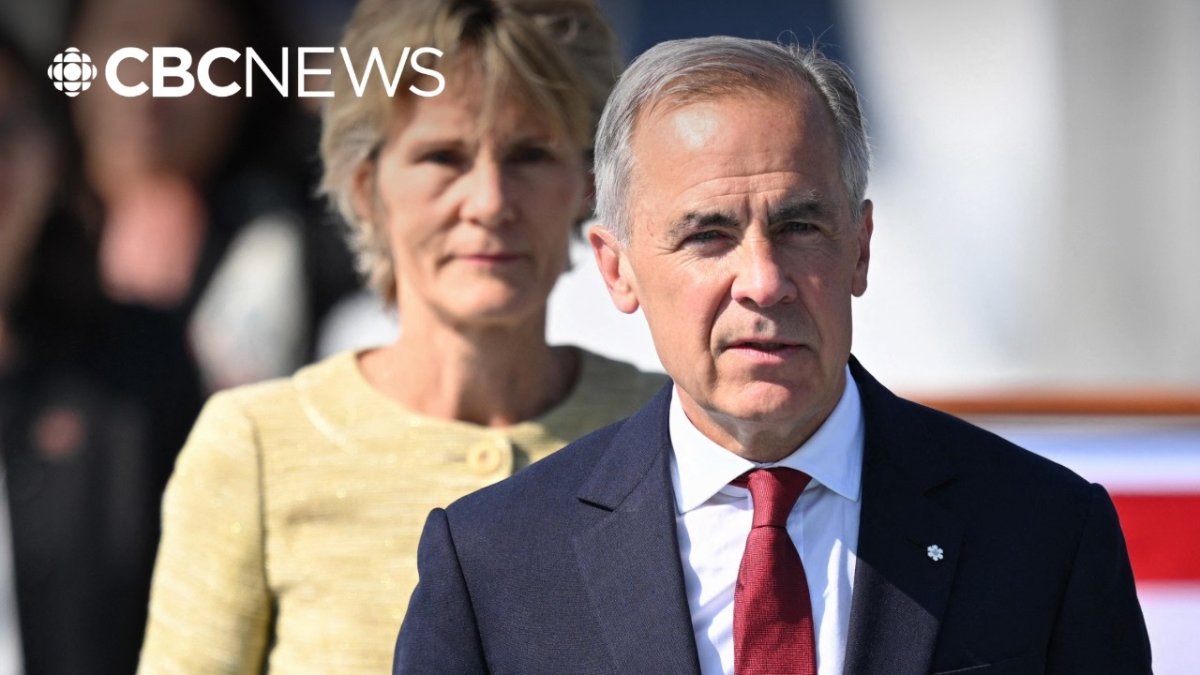
In a recent CBC News report from the 2026 NATO Summit in Ankara, Prime Minister Mark Carney outlined Canada's renewed commitments to the alliance during his first visit to Turkey in 11 years. The July 7 gathering, hosted by President Recep Tayyip Erdogan at the presidential complex, featured direct talks that produced immediate announcements on trade and defence. Canada Hits NA
Canada Hits NATO Defence Spending Target
Prime Minister Mark Carney announced on July 7 that Canada has reached NATO's 2 percent of GDP defence spending threshold for the first time since the fall of the Berlin Wall. The 2026-2027 fiscal year projection places spending at 2.13 percent of GDP, covering equipment, personnel and operations across the Canadian Armed Forces.
This milestone follows the 2025 Hague summit agreement that set a new 5 percent GDP target for all members by 2035. Carney confirmed Canada's intention to meet that higher benchmark through phased increases tied to major procurement projects already underway.
The achievement carries direct implications for federal budgeting and Bank of Canada interest rate considerations, as sustained defence outlays affect overall fiscal capacity and domestic economic priorities including housing affordability.
Canada-Turkey Free Trade Negotiations Launched
During bilateral meetings with President Recep Tayyip Erdogan, Carney formally launched Canada-Turkey free trade negotiations. This marks the first such initiative between the two countries in more than a decade and targets sectors including aerospace components, agricultural products and critical minerals.
The talks build on existing defence industry cooperation and address supply chain vulnerabilities exposed by recent global disruptions. Turkish firms have expressed interest in partnerships with Canadian shipyards and technology companies in Ontario and Quebec.
Officials from Global Affairs Canada will lead the first round of negotiations in Ottawa this autumn, with an initial framework expected before the end of 2026. The agreement would complement Canada's existing trade deals with the European Union and Pacific partners.
Carney Meets Zelenskyy on Ukraine Developments
On the margins of the summit, Prime Minister Carney held discussions with Ukrainian President Volodymyr Zelenskyy regarding battlefield conditions and diplomatic channels. The meeting addressed Canadian military assistance packages already approved by Parliament and future training programs for Ukrainian forces.
Canada's ongoing support includes artillery systems and winter equipment delivered through the NATO framework. Carney reiterated that any negotiated settlement must respect Ukraine's sovereignty and align with international legal standards established after 2014.
The exchange also touched on reconstruction planning, with Canadian engineering firms positioned to contribute to infrastructure projects once security conditions permit. Federal officials have already allocated funds through the Ukraine Reconstruction Fund managed by Export Development Canada.
Trump Renews Greenland Pressure at Summit
United States President Donald Trump used the Ankara gathering to repeat calls for American control over Greenland, stating the territory should fall under United States administration rather than Denmark. He linked the demand to broader burden-sharing disputes within NATO.
Trump indicated that continued American troop presence in Europe could be reconsidered if European allies failed to address the Greenland issue. Canadian officials noted the comments but emphasised that alliance decisions require consensus among all 32 members.
The remarks arrive as Canada advances its own northern security investments, including expanded patrols and infrastructure in the Arctic archipelago. Federal-provincial coordination with Nunavut and the Northwest Territories remains central to these efforts.
Submarine Fleet Contract and Atlantic Investments
Carney referenced the March 2026 decision to select Germany's ThyssenKrupp Marine Systems as preferred supplier for Canada's C$60 billion submarine replacement program. The project will generate work at shipyards in Halifax and other Atlantic locations over the next 15 years.
Earlier investments exceeding $3 billion in infrastructure and defence-related facilities across Atlantic Canada, announced in March 2026, directly support this procurement. The spending covers port upgrades, training centres and supply chain development in Nova Scotia and Newfoundland and Labrador.
These contracts align with the federal government's industrial and technological benefits policy, requiring major suppliers to direct work to Canadian companies. The submarine program is expected to create thousands of skilled positions while strengthening Canada's contribution to NATO maritime operations in the North Atlantic.
Broader Implications for Canadian Defence Policy
The Ankara announcements reinforce Canada's shift toward consistent alliance spending after years below the 2 percent line. Parliament Hill committees will review the updated fiscal framework this autumn to ensure transparency on procurement timelines and regional distribution of contracts.
Defence analysts note that reaching 2.13 percent this fiscal year provides immediate credibility during NATO planning sessions, particularly as the alliance integrates new members and addresses hybrid threats. Canadian participation in joint exercises will increase accordingly.
Public safety considerations also factor into the spending increase, with RCMP and Canadian Coast Guard assets receiving supplementary funding for northern and maritime surveillance roles that complement regular force operations.
By Alex Thompson, Staff WriterThis article was produced with AI-assisted research and editorial support. Reporting is based on sources cited in the article.
What's Your Reaction?
 Like
0
Like
0
 Dislike
0
Dislike
0
 Love
0
Love
0
 Funny
0
Funny
0
 Wow
0
Wow
0
 Sad
0
Sad
0
 Angry
0
Angry
0
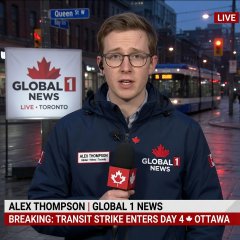
Canada Correspondent at Global1.News. Based in Toronto, covering Canadian politics, energy, trade, and US-Canada relations. Provides the Canadian perspective on North American and global affairs.












Comments (0)