
Mexico Vehicle Exports Up 1.4% in H1 2026 Despite Tariffs
**Keywords:** Mexico light vehicle exports, INEGI auto data 2026, US tariffs Mexico cars, T-MEC USMCA impact, Sheinbaum trade policy, Mexican auto workers, Coahuila Guanajuato Puebla factories, Geely China brands Mexico Exports Show Quiet Strength in Early 2026 Mexican families tied to the auto industry received encouraging news this week from fresh INEGI figures. Between Janua
Exports Show Quiet Strength in Early 2026
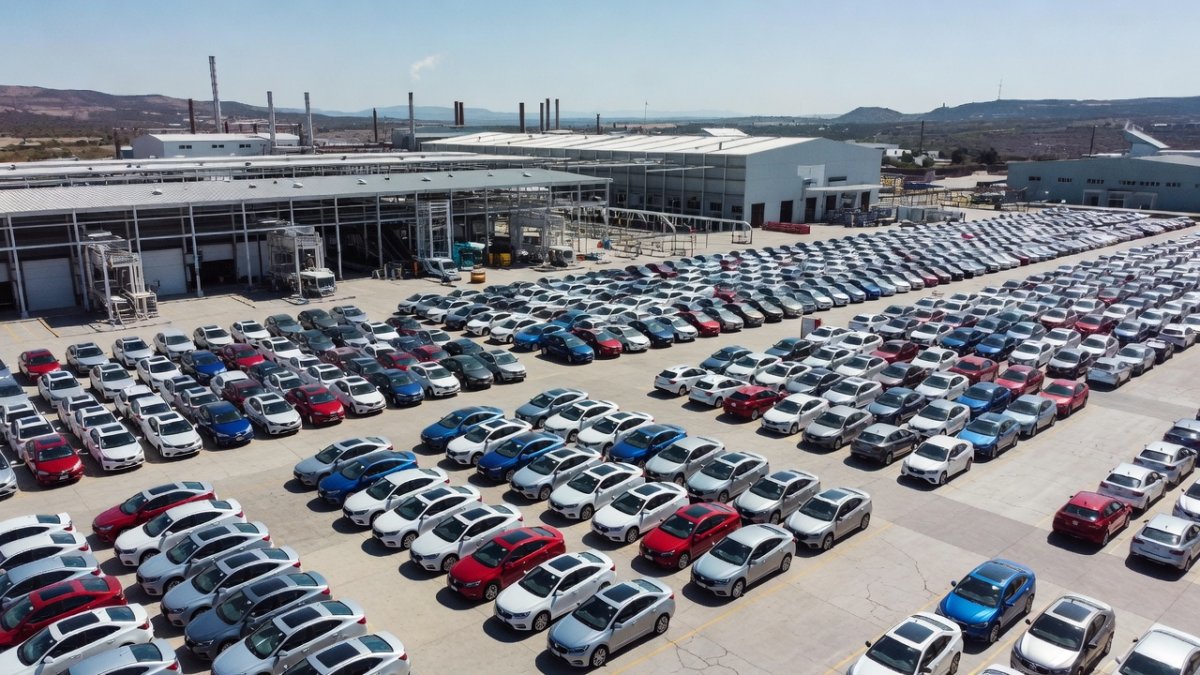
Mexican families tied to the auto industry received encouraging news this week from fresh INEGI figures. Between January and June 2026, the country shipped nearly 1.69 million light vehicles abroad, a modest 1.4 percent increase from the same period last year. That recovery matters deeply in places like Ramos Arizpe in Coahuila and Silao in Guanajuato, where assembly lines keep food on the table for thousands of households.
The numbers reflect the steady hand of Mexican manufacturing even as external pressures mount. Production reached 1.99 million units, just 0.4 percent below last year’s mark and the lowest level since 2023. Domestic sales climbed 5.3 percent to 754,418 vehicles, offering a small buffer when foreign shipments face headwinds.
US Tariffs Reshape Trade Flows
The 25 percent tariffs on vehicles with non-US content took effect in April 2025 and continue to influence decisions at the border. June exports dropped 9.2 percent to 301,009 units, a direct result of those duties. The share of exports heading to the United States fell to 75.9 percent, down from roughly 85 percent before the tariffs began.
Other markets picked up some slack. Canada received 12.5 percent of shipments, Germany 2.8 percent, and Brazil 1.7 percent. Under the T-MEC agreement, Mexican negotiators in the Sheinbaum administration continue working to protect integrated supply chains that cross the border daily. The tariffs are expected to ease to 12 percent during 2026, giving plants time to adjust sourcing and content rules.
Workers and Families Feel the Shifts
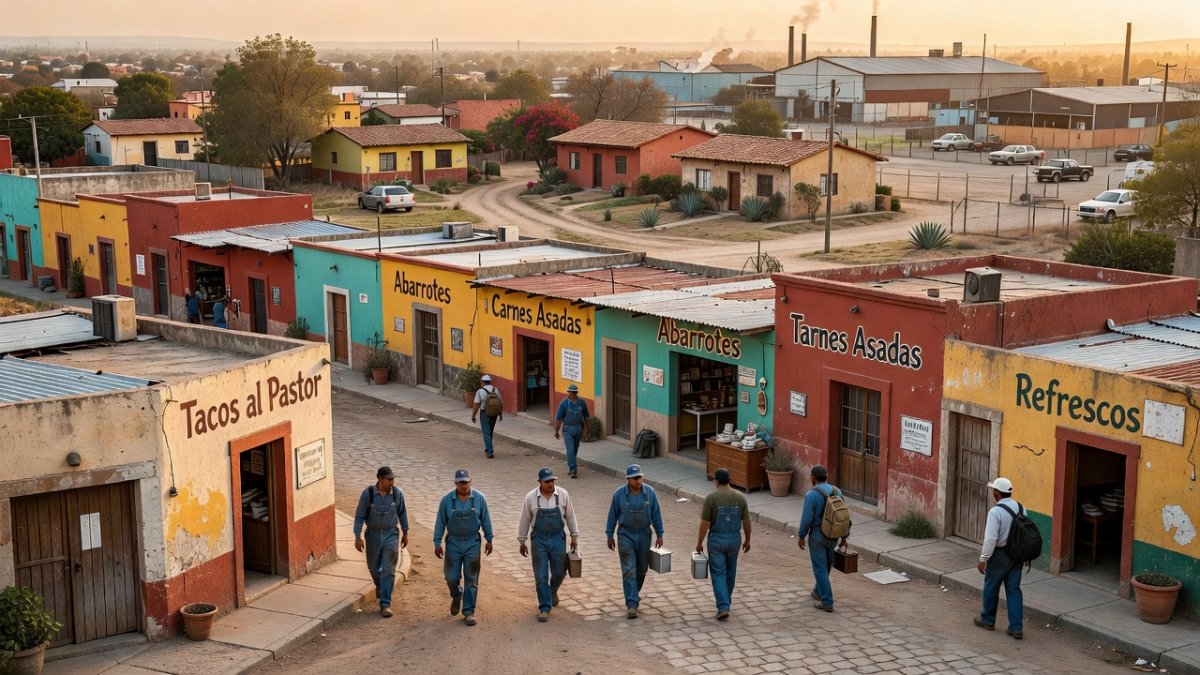
In Puebla and Aguascalientes, many households depend on plants that have operated for decades. When shipments slow, overtime hours shrink and family budgets tighten. Yet the overall first-half gain shows the sector’s resilience. Workers in Nuevo León and Chihuahua often speak of the pride they feel when Mexican-made vehicles reach roads across North America and beyond.
Communities in San Luis Potosí and the State of Mexico have seen similar patterns. Small businesses near factory gates, from tortillerías to taquerías, notice when paychecks stay steady. The 5.3 percent rise in domestic sales helps keep some of that local spending alive even as export volumes fluctuate.
Company Performance Highlights Adaptation
Stellantis posted the strongest growth among major exporters at 51.3 percent, followed by Volkswagen at 37.4 percent. Acura and Audi each rose 13.4 percent. These gains came from plants that quickly shifted production mixes and secured more regional content to soften tariff impacts.
Other firms faced steeper challenges. Nissan exports fell 29.2 percent, Mazda dropped 14.9 percent, and Ford declined 10.4 percent. General Motors remained the largest manufacturer in Mexico with 445,658 units produced, up 2.2 percent. Chinese brands also gained ground, led by Geely’s 250.5 percent jump to 21,121 units, showing how new entrants are finding space in the market.
Looking Ahead for Mexican Manufacturing
The first-half results underscore how deeply the auto sector is woven into Mexico’s economy. From ejido communities that supply parts to maquiladora workers crossing shifts, the industry touches everyday life across eight key states. The Sheinbaum administration’s focus on T-MEC compliance and diversified markets offers a path forward as tariffs are phased downward.
Ordinary families in these colonias continue to plan quinceañeras, support local schools, and celebrate Día de Muertos with the same quiet determination that has long defined Mexican manufacturing. The 1.4 percent export recovery, modest as it is, signals that this resilience remains intact.
Tags: Mexico auto exports, INEGI 2026 data, US tariffs, T-MEC, auto workers Coahuila Guanajuato, Sheinbaum trade, Geely Mexico sales
By Rosa Martinez, Staff Writer
This article was produced with AI-assisted research and editorial support. Reporting is based on sources cited in the article.
What's Your Reaction?
 Like
0
Like
0
 Dislike
0
Dislike
0
 Love
0
Love
0
 Funny
0
Funny
0
 Wow
0
Wow
0
 Sad
0
Sad
0
 Angry
0
Angry
0

Latin America/Andes Correspondent at Global1.News. Based in Bogota, covering politics, environment, energy, and social movements across the Andean region. Passionate about environmental journalism and communities protecting their land.















Comments (0)