
'Out of control': Doctors on the front line of Ebola outbreak speak out
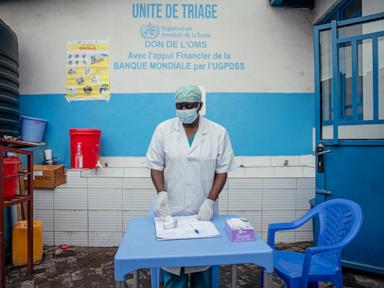
'Out of control': Doctors on the front line of Ebola outbreak speak out
The deadly Ebola virus is ripping through eastern Democratic Republic of Congo at a pace that frontline physicians describe as flat-out alarming, with new infections climbing despite years of supposed lessons learned from past crises. Doctors treating patients in the hardest-hit zones told ABC News this week that containment has slipped beyond reliable control, echoing warnings that bureaucratic delays and local distrust are handing the virus fresh ground every week.
Frontline Warnings Hit Hard
Physicians in North Kivu province report clusters emerging faster than isolation units can expand. One doctor, speaking on condition of anonymity due to security risks, put it bluntly: "We are seeing chains of transmission that we cannot trace back. Families hide cases until it's too late, and the numbers keep climbing." These accounts match data from the World Health Organization showing confirmed cases rising steadily in the past month, with at least 47 new infections logged in the latest reporting period.
The situation carries echoes of the 2018-2020 outbreak that killed more than 2,200 people across the same region. Yet this time around, the virus appears to exploit ongoing militia violence that blocks roads and scares away health workers. Vaccination drives stall when armed groups control access routes, leaving entire villages unprotected even as experimental doses sit in warehouses.
Why Containment Keeps Failing
Eastern Congo's mix of conflict, poverty, and eroded trust creates perfect conditions for Ebola to thrive. Community resistance runs deep after years of heavy-handed response tactics that treated locals as problems rather than partners. Past campaigns involving forced quarantines bred suspicion, so families now delay reporting symptoms until bodies pile up in homes.
Conflict data from the UN peacekeeping mission shows over 120 armed groups active in North Kivu alone. These factions disrupt supply lines for personal protective equipment and delay lab results from remote villages. One infectious disease specialist noted that sample transport times have stretched to five days in some areas, turning potential early interventions into late-stage disasters.
Global funding shortfalls compound the problem. Pledges after the last major outbreak totaled hundreds of millions, yet actual disbursements lag, leaving treatment centers understaffed. The current surge coincides with DRC's broader health system strain, where basic malaria and measles cases already overwhelm facilities.
Human Cost in Raw Numbers
Each confirmed case represents families shattered by hemorrhagic fever symptoms that kill up to 90 percent of untreated patients. Survivors face stigma that destroys livelihoods, while orphans from previous waves still struggle without support systems. Health ministry figures indicate at least 18 deaths tied directly to this latest flare-up, though underreporting likely hides a higher toll in insecure zones.
Women bear disproportionate burdens as primary caregivers, increasing their exposure during home nursing. Children lose parents mid-school year, feeding cycles of poverty that make future outbreaks more likely. These patterns repeat across outbreaks because response plans rarely prioritize sustained community rebuilding over short-term containment theater.
Global Stakes Demand Action
This is not a distant African problem. Air travel links mean a single infected traveler could seed clusters elsewhere before symptoms appear. The 2014 West Africa epidemic proved how quickly Ebola jumps borders when surveillance gaps exist. With DRC's porous eastern frontier near Uganda and Rwanda, neighboring countries have already ramped up screening, but resources remain thin.
Experts warn that complacency after the COVID-19 pandemic has left international stockpiles of Ebola countermeasures depleted. Ring vaccination strategies that worked in prior DRC responses now face resistance from groups that view foreign aid as political tools. Without rapid course corrections, this outbreak risks becoming another expensive, deadly rerun.
Opinionated take: Western governments love issuing statements about "monitoring closely" while cutting aid budgets. That approach failed before and will fail again unless leaders treat Ebola like the borderless threat it is, not a line item to trim.
What Real Fixes Look Like
Effective response requires embedding trusted local leaders in every decision, not parachuting in outsiders who leave after photo ops. Mobile labs and drone delivery for vaccines have shown promise in pilot programs but need scaling beyond pilot phase. Security guarantees for health teams must come from regional powers, not just UN resolutions that collect dust.
Data transparency matters too. Governments that downplay case counts to avoid economic fallout only prolong suffering. Independent verification teams should operate without political filters, backed by real-time genomic sequencing to track viral mutations that could blunt existing vaccines.
Readers in Atlanta or anywhere else should track this because global health security is only as strong as its weakest link. An unchecked Ebola surge drains resources that could address other threats and erodes faith in institutions already battered by recent years.
By Jessica, Staff Writer
This article was produced with AI-assisted research and editorial support. Reporting is based on sources cited in the article.
What's Your Reaction?
 Like
0
Like
0
 Dislike
0
Dislike
0
 Love
0
Love
0
 Funny
0
Funny
0
 Wow
0
Wow
0
 Sad
0
Sad
0
 Angry
0
Angry
0

Editor-in-Chief at Global1.News. Atlanta-based journalist who cuts through the BS and tells it like it is. Lead anchor, host, and the voice you hear when the spin stops and the truth starts.












Comments (0)